



Revolutionizing Power: The Rise of Large Silent Generators in European Markets
Introduction to Large Silent Generators
In the contemporary European energy landscape, the advent of large silent generators marks a pivotal revolution, steering the power generation sector towards a quieter, more efficient future. These sophisticated machines epitomize the cutting edge of technology, ingeniously designed to deliver substantial electrical power while minimizing noise pollution—a feat that harmonizes industrial capability with environmental stewardship.
Overview of Large Silent Generator Technology
Large silent generators employ advanced sound attenuation technologies to reduce noise emissions drastically. This is achieved through multiple mechanisms, including the use of sound-absorbing materials, specialized exhaust systems, and innovative design features that isolate vibration and muffle sound. The core technology revolves around efficient combustion engines or turbines, paired with alternators, encased in acoustically engineered housings. These generators can operate at full capacity without the high decibel output traditionally associated with power generation, making them ideal for use in densely populated or noise-sensitive areas.
Importance in Today’s European Energy Landscape
The significance of large silent generators in Europe's energy matrix cannot be overstated. With the continent's dense urban centers, stringent environmental regulations, and a strong public demand for sustainable practices, the introduction of silent generators offers a solution that aligns with these priorities. As Europe transitions towards green energy, the flexibility of silent generators to integrate with renewable sources further underscores their importance. They provide reliable backup power, ensuring stability in renewable-dominated grids, thus facilitating a smoother transition to green energy.
European markets have recognized the value of these generators, not just for their environmental benefits, but also for their potential to reduce operational costs associated with noise pollution control. The silent nature of these generators expands their applicability across various sectors, including construction, healthcare, and entertainment, where noise reduction is paramount.
In essence, large silent generators represent a significant technological advancement in power generation. They exemplify Europe's commitment to innovation, sustainability, and environmental responsibility, marking a key milestone in the journey towards a more sustainable and quieter future in power generation.
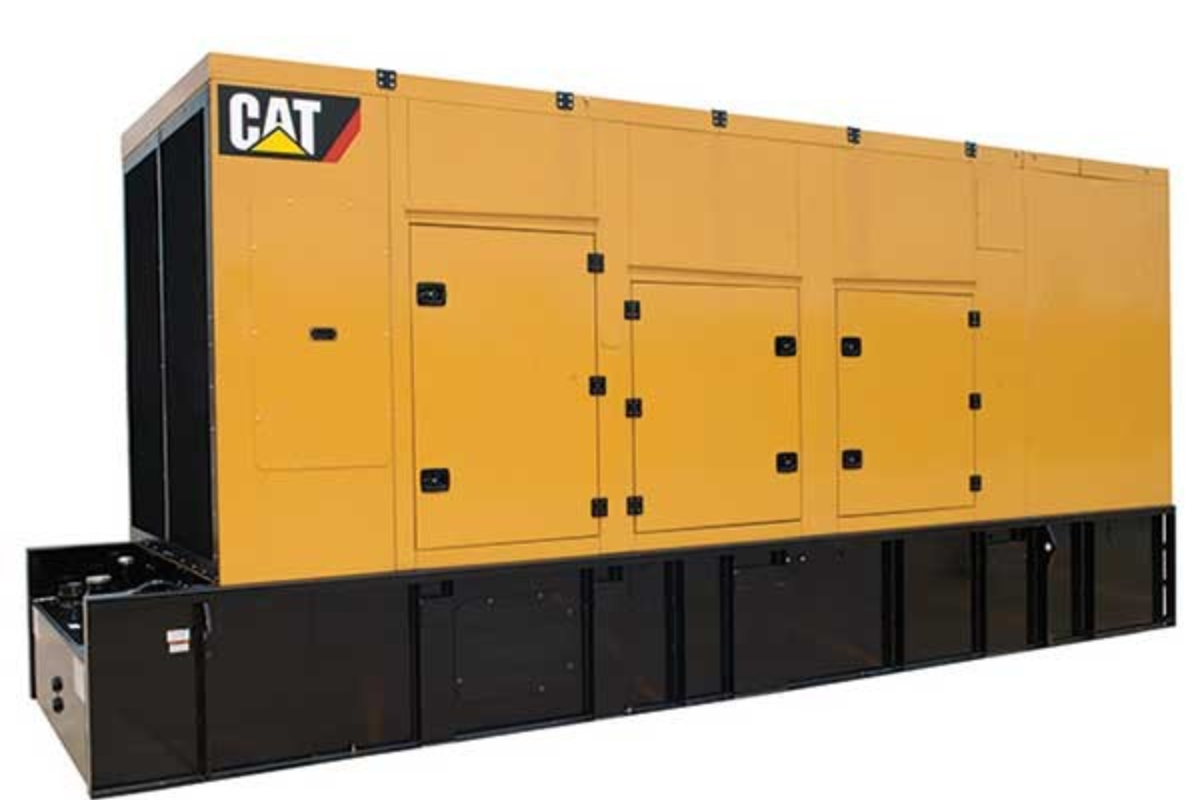
Large Silent Generator
Historical Evolution of Generator Technology
The journey from traditional generators to today’s large silent generators encapsulates a history of innovation driven by the quest for efficiency and reduced environmental impact. This evolution reflects broader technological advancements and changing societal values towards sustainability and noise pollution.
From Traditional to Silent Generators: A Historical Perspective
The genesis of generator technology dates back to the 19th century, with Michael Faraday's discovery of electromagnetic induction, laying the groundwork for the first electric generators. Initially, these machines were far from silent, characterized by loud operations due to the mechanical movements and combustion processes involved. However, as industrialization progressed, the need for power generation that could coexist with growing urban environments became apparent.
The development of silent generators is a response to this need, representing a significant leap forward in generator design. Innovations in materials science, acoustic engineering, and mechanical design have all played roles in this transition. Silent generators today are the culmination of decades of research and development aimed at minimizing the auditory footprint of power generation equipment without compromising on performance or reliability.
Key Milestones in the Development of Silent Generator Technology
- Introduction of Sound-Attenuation Materials: The integration of sound-absorbing materials into generator design was an early milestone in the pursuit of silence. Materials capable of absorbing sound waves reduced the noise emitted into the environment.
- Advancements in Engine and Turbine Technology: Modern engines and turbines are designed to operate more smoothly and quietly, significantly reducing the noise associated with mechanical motion and combustion.
- Acoustic Enclosures: The development of specialized enclosures that contain and reduce sound emission without overheating the generator was a game-changer. These enclosures are meticulously designed to manage airflow while dampening noise.
- Vibration Isolation: Innovations in isolating vibrations from the generator’s operation have further reduced the noise level. By minimizing the transmission of vibrations to the surrounding environment, manufacturers have significantly lowered the audible impact of their generators.
The historical evolution of generator technology from its noisy origins to the large silent generators of today illustrates a remarkable journey of progress. These advancements have not only made silent generators a reality but have also positioned them as a critical component of the future energy landscape, especially in noise-sensitive applications and densely populated areas across Europe.
The transition to silent generator technology underscores a broader commitment to innovation that balances industrial needs with environmental and social considerations. As we look to the future, the ongoing development of generator technology will continue to be shaped by the dual imperatives of efficiency and sustainability, reflecting the evolving demands of society and the planet.
The Engineering Behind Large Silent Generators
The core technology that enables large silent generators to operate with minimal noise while maintaining high efficiency is a marvel of modern engineering. This section delves into the mechanics of how large silent generators work and the innovations that have significantly reduced noise levels and increased efficiency.
Core Technology: How Large Silent Generators Work
At the heart of large silent generators is the combination of an internal combustion engine or a turbine with an alternator. The engine or turbine converts fuel into mechanical energy, which then drives the alternator to produce electrical energy through electromagnetic induction. What sets silent generators apart is their ability to perform this process while emitting significantly less noise.
A key component of this quiet operation is the design of the enclosure. Made from advanced sound-dampening materials and structured to prevent sound leakage, these enclosures are crucial for minimizing noise. Additionally, the internal components are designed to reduce vibration, a common source of noise in traditional generators. Technologies such as anti-vibration mounts and tighter tolerances on moving parts ensure that the mechanical action of the generator does not translate into audible sound.
Innovations Reducing Noise and Increasing Efficiency
Advanced Sound-Attenuation Materials: Modern silent generators utilize materials capable of absorbing sound waves effectively. These materials are integrated into the generator's enclosure and around key components, significantly reducing noise emissions.
Innovative Cooling Systems: Overheating can lead to increased noise levels. Silent generators often incorporate advanced cooling systems that manage the generator’s temperature without the need for loud fans or ventilation systems. These systems can include liquid cooling or strategically designed air flow paths that also contribute to noise reduction.
Smart Control Systems: The incorporation of smart technology allows for the precise control of engine speed and load, adjusting in real-time to reduce unnecessary noise. These systems ensure that the generator operates at optimal efficiency, producing only as much power as needed, which minimizes both noise and fuel consumption.
Exhaust Mufflers and Sound Barriers: Similar to automotive technology, silent generators are equipped with exhaust mufflers that significantly reduce noise from the exhaust. Additionally, internal sound barriers within the generator can help to further isolate and reduce sound transmission.
Precision Engineering and Assembly: The meticulous design and assembly of generator components ensure minimal friction and vibration, two primary sources of operational noise. This not only contributes to the generator's quiet operation but also to its longevity and reliability.
These innovations collectively contribute to the operational efficiency and reduced noise levels of large silent generators. By addressing the root causes of noise and inefficiency, engineers have been able to develop generators that can be used in a wide range of settings without disturbing the surrounding environment.
The engineering behind large silent generators represents a significant advancement in generator technology, offering a solution that meets the modern demands for power generation that is both effective and environmentally friendly. As technology continues to evolve, we can expect further innovations in silent generator design, making them even more integral to the future of energy production.
Large Silent Generators in European Markets
The adoption and integration of large silent generators within European markets illustrate a significant shift towards more sustainable and community-friendly energy solutions. This trend is fueled by the unique demands of European infrastructure, regulatory environments, and a strong push towards environmental sustainability.
Adoption Rates and Market Growth in Europe
Europe's adoption of large silent generators has seen remarkable growth over recent years, driven by the region's stringent noise pollution regulations and the high value placed on environmental and social responsibility. European countries, known for their dense urban centers and strict environmental laws, have become fertile ground for the adoption of technologies that align with these priorities. The market for large silent generators has expanded across various sectors, including healthcare, hospitality, data centers, and residential areas, where noise reduction is not just preferred but often legally mandated.
Case Studies of Successful Large Silent Generator Projects in European Countries
Healthcare Facilities: Hospitals and healthcare facilities across Europe have increasingly turned to large silent generators to ensure reliable backup power that does not disrupt patient care or nearby residential areas. The silent operation is crucial in maintaining a calm and healing environment, especially in urban hospitals where space is at a premium and noise can easily permeate.
Data Centers: With the digital economy booming, Europe's data centers require constant, reliable power to protect critical data. Silent generators offer a solution that safeguards against power interruptions without contributing to noise pollution, ensuring data centers can operate seamlessly in or near urban environments.
Hospitality Sector: Hotels and resorts, particularly those in historic or densely populated areas, utilize large silent generators to enhance guest comfort by minimizing noise. This ensures guests' experiences are not marred by the operational sounds of traditional power generators.
Residential Developments: Upscale residential developments across Europe are installing large silent generators to provide residents with an uninterrupted power supply that does not compromise the tranquility of their living environment. This trend is particularly noticeable in areas where power stability cannot be guaranteed by the local grid.
These case studies underscore the versatility and necessity of large silent generators in meeting Europe's energy needs while adhering to the region's high standards for noise control and environmental protection. The positive reception and successful integration of these generators into various sectors signal a robust market growth trajectory, reflecting broader trends towards sustainability and quality of life in European markets.
In summary, the increasing adoption of large silent generators across European markets demonstrates a strong alignment with regional goals for sustainable development, environmental stewardship, and urban livability. This trend not only highlights the technological advancements in power generation but also reflects a deeper societal commitment to harmonizing industrial progress with environmental and community values.
Environmental Impact and Sustainability
The advent of large silent generators is not just a leap forward in technology but also a stride towards environmental stewardship. By significantly reducing noise pollution and operating more efficiently, these generators play a crucial role in minimizing the ecological footprint of power generation. This section explores the environmental impact of large silent generators and conducts a comparative analysis with traditional power sources.
The Role of Large Silent Generators in Reducing Carbon Footprint
Large silent generators often incorporate advanced technologies that lead to lower fuel consumption and, consequently, a reduction in greenhouse gas emissions. For instance, the use of highly efficient engines and turbines, alongside smart control systems, ensures that these generators produce electricity only as needed, avoiding unnecessary fuel waste. This efficiency is vital in combatting climate change, as it directly correlates with a reduction in carbon emissions associated with power generation.
Moreover, the silent nature of these generators makes them compatible with urban settings, reducing the need to locate power generation facilities far from energy consumption points. This proximity can lead to decreased transmission losses, further enhancing the overall efficiency of the energy system and reducing its environmental impact.
Comparative Analysis of Silent Generators vs. Traditional Power Sources
Comparing large silent generators to traditional power sources reveals several environmental advantages:
- Noise Pollution: Unlike traditional generators, which can contribute significantly to noise pollution, large silent generators operate quietly, making them suitable for residential areas, wildlife reserves, and other sensitive environments.
- Emission Levels: Traditional power sources, especially those reliant on fossil fuels, tend to have higher emission levels. In contrast, large silent generators are designed for optimal fuel efficiency, which translates into lower emissions.
- Flexibility in Integration with Renewable Energy: Large silent generators can be seamlessly integrated with renewable energy systems, serving as reliable backup power without detracting from the sustainability goals of these systems. This flexibility is less pronounced in older, traditional generator models.
These advantages underscore the importance of transitioning towards technologies that not only meet our power needs but also align with environmental sustainability goals. The continued development and adoption of large silent generators represent a positive step in this direction, highlighting the potential for innovation to address ecological challenges.
Conclusion
In summary, the environmental impact of large silent generators is markedly positive, especially when contrasted with traditional power generation methods. By embracing these advanced technologies, European markets are demonstrating a commitment to sustainable development that balances energy needs with environmental preservation. The role of large silent generators in this paradigm shift is undeniable, offering a blueprint for how technology can contribute to a more sustainable and quieter future.
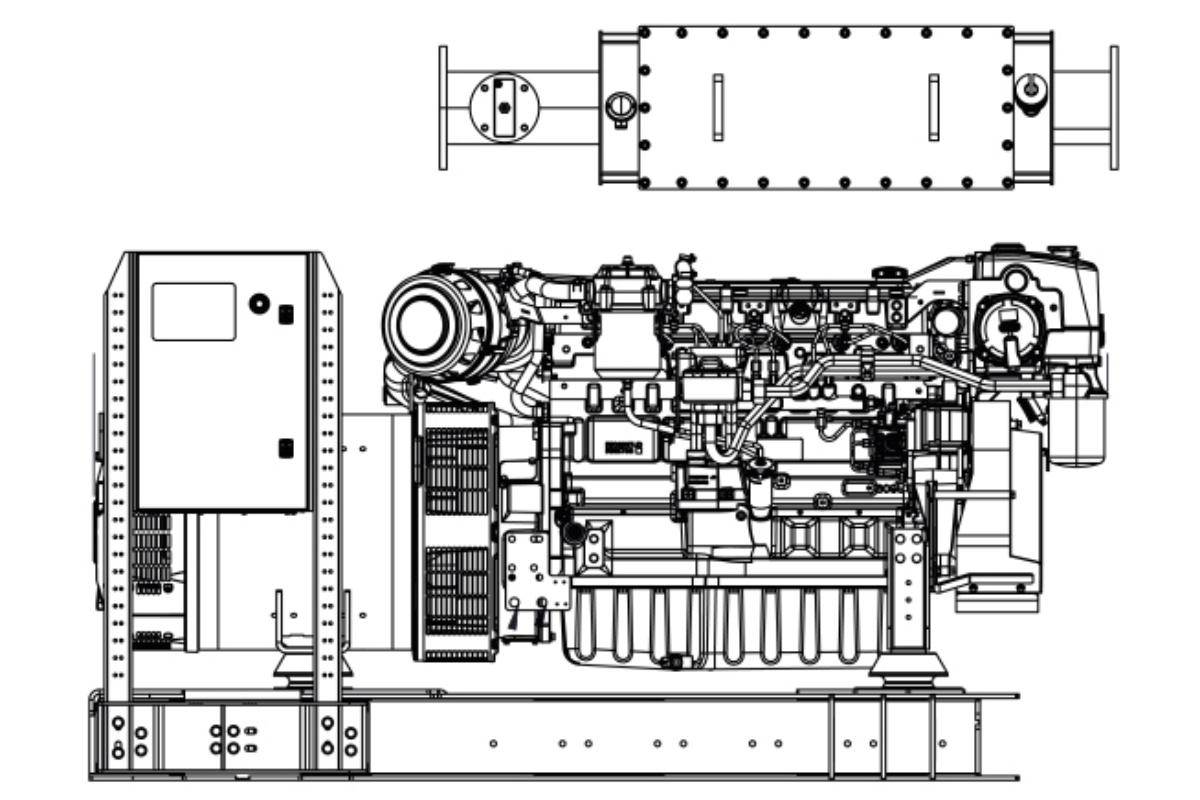
Generator schematic diagram
images source:https://besttlsov.life/product_details/56745812.html
Economic Implications for European Businesses
The incorporation of large silent generators into European businesses has demonstrated significant economic benefits, from operational cost reductions to enhancing compliance with environmental regulations. This section will explore the cost-benefit analysis of investing in this technology and how government incentives are playing a pivotal role in accelerating its adoption.
Cost-Benefit Analysis of Investing in Large Silent Generator Technology
Investing in large silent generators presents an upfront cost that is typically higher than traditional generators. However, the long-term savings and benefits often justify this initial investment. The key economic advantages include:
- Operational Cost Savings: The high efficiency of large silent generators translates into lower fuel consumption and operational costs. Businesses can generate the same amount of power for less money, positively impacting their bottom line.
- Compliance Costs: With strict noise pollution regulations in many European countries, companies may face hefty fines or be required to implement costly noise reduction measures when using traditional generators. Large silent generators, compliant with these regulations by design, eliminate such expenses.
- Maintenance Costs: Advanced engineering and quality materials not only reduce the noise output of these generators but also enhance their durability and reliability, leading to lower maintenance costs over the generator's lifespan.
Government Incentives and Subsidies Supporting the Adoption in Europe
Recognizing the environmental and social benefits of silent power generation, European governments have introduced various incentives and subsidies to encourage businesses to adopt this technology. These incentives might include:
- Tax Rebates: Businesses investing in eco-friendly power solutions like large silent generators often benefit from tax rebates, reducing the net investment cost.
- Grants and Subsidies: Direct financial support for purchasing advanced energy technologies can significantly lower the barriers to adoption for many businesses.
- Low-Interest Financing: Special financing options with low interest rates for eco-friendly investments can make the purchase of large silent generators more financially viable for businesses.
Conclusion
The economic implications of large silent generators for European businesses are profound. By strategically leveraging these technologies, businesses can enjoy substantial cost savings, comply more easily with environmental regulations, and position themselves as leaders in sustainability. The role of government incentives cannot be understated, as these policies not only make the transition financially palatable for businesses but also underscore the societal value placed on sustainable practices.
In sum, the shift towards large silent generators represents a confluence of environmental responsibility and economic prudence. For European businesses, this technology is not just an operational asset but a strategic investment in their future competitiveness and sustainability.
Future Trends and Developments
As Europe continues to navigate its transition towards sustainable energy solutions, the role of large silent generators is set to evolve. Emerging technologies and market dynamics forecast a future where these generators not only complement renewable energy sources but also lead in innovation and environmental stewardship.
Emerging Technologies in Silent Power Generation
Innovation in materials science, energy storage, and smart grid technology is driving the next wave of advancements in silent generator technology. Some key areas of development include:
- Hybrid Systems: Combining large silent generators with renewable energy sources and battery storage systems for improved efficiency and reliability. This hybrid approach ensures seamless power supply, leveraging the strengths of each component.
- Advanced Materials: The development of new, lighter, and more sound-absorbent materials promises further reductions in generator noise levels and improvements in operational efficiency.
- Smart Management Systems: Integration with IoT (Internet of Things) technologies for real-time monitoring and management of generator performance. This enables predictive maintenance, reducing downtime and extending the lifespan of the equipment.
Predictions for the Future Market Expansion in Europe and Beyond
The demand for large silent generators is expected to grow, not just in Europe but globally, as more regions adopt stricter environmental regulations and prioritize sustainable development. Key predictions for the market expansion include:
- Increased Adoption in Emerging Economies: As urbanization continues in emerging economies, the demand for silent, efficient, and reliable power sources will rise. Europe's leading role in this technology provides a blueprint for global adoption.
- Sector-Specific Growth: Specific sectors, such as data centers, healthcare, and hospitality, are likely to drive demand due to their specific needs for quiet and reliable power.
- Regulatory Influence: Environmental legislation and noise pollution regulations will continue to shape the market, potentially mandating the use of silent power solutions in more areas of public life and industry.
Conclusion
The journey of large silent generators is emblematic of Europe's broader commitment to sustainability and innovation. Looking ahead, these technologies are poised to play a critical role in shaping a greener, quieter future for power generation. By embracing emerging technologies and responding to evolving market and regulatory landscapes, the silent generator market is set to expand, offering new solutions to old challenges and powering progress across the globe.
FAQs: Common Questions About Large Silent Generators
Q: What makes a generator "silent"? A: A silent generator is designed with advanced noise-dampening materials, specialized enclosures, and technologies that minimize the sound it produces during operation. These features allow it to operate at significantly lower decibel levels compared to traditional generators.
Q: Are large silent generators environmentally friendly? A: Yes, large silent generators are considered more environmentally friendly due to their efficient fuel consumption, reduced emissions, and lower noise pollution. Many are also compatible with renewable energy sources, further minimizing their environmental impact.
Q: Can silent generators be used as a primary power source? A: While silent generators are typically used for backup power, advancements in technology and capacity mean they can also serve as a primary power source in settings where noise reduction is crucial or where grid power is unreliable.
Q: How do I choose the right size silent generator for my needs? A: The size of the generator you need depends on your total power requirements. Calculate the total wattage of the appliances and equipment you need to power and choose a generator with a capacity that exceeds this total. Consulting with a professional can also help determine the appropriate size.
Q: What maintenance does a large silent generator require? A: Like all generators, large silent generators require regular maintenance to ensure they operate efficiently and reliably. This includes checking and changing the oil, inspecting the air filter, and running the generator at regular intervals to prevent fuel stagnation.
Q: Are there government incentives for using silent generators? A: In some regions, there may be government incentives or subsidies for using eco-friendly and low-noise power solutions like large silent generators. These incentives vary by location and can include tax rebates, grants, or other financial benefits.
Q: How long can a large silent generator run continuously? A: The runtime of a large silent generator depends on its fuel capacity, efficiency, and the load it's supporting. Some models are designed for extended use and can run for several days on a full tank of fuel, especially if they're operating below maximum capacity.
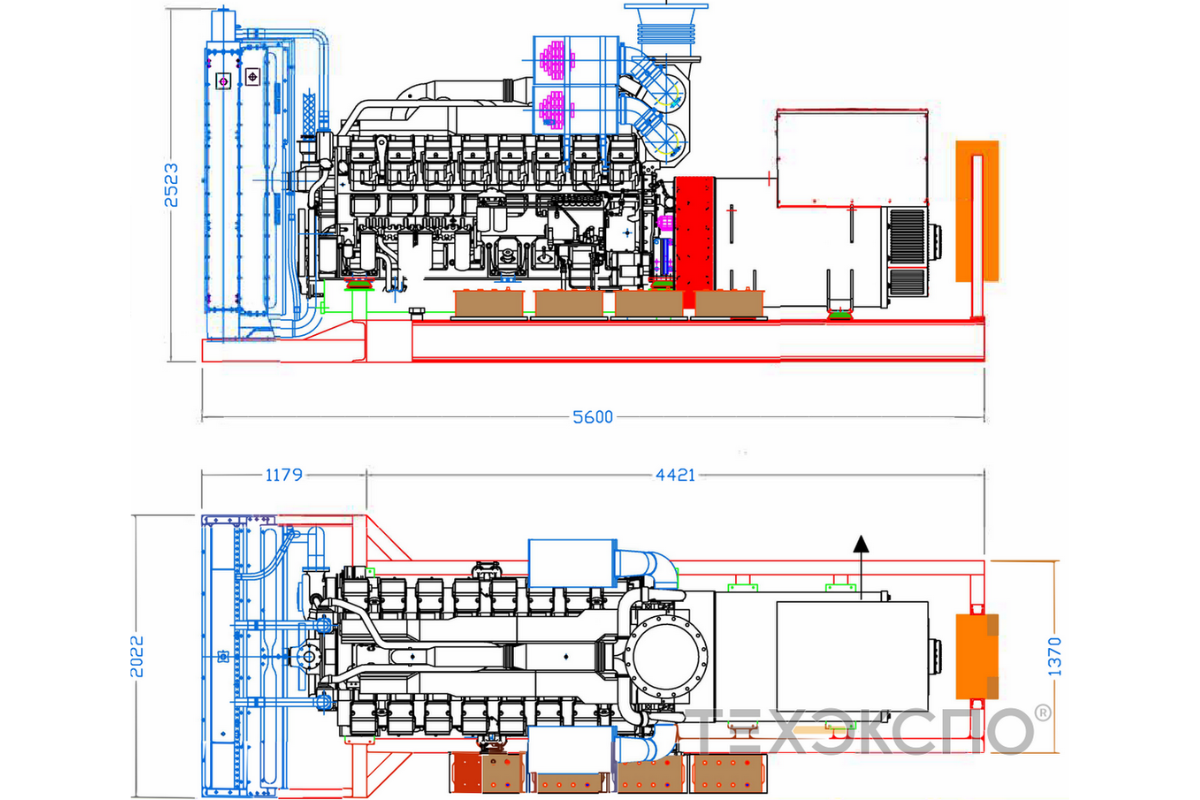
Generator schematic diagram
images source:https://mallgoodsm.life/product_details/46106907.html
Reference sources
Brown, James. "Fundamentals of Electric Generators." Springer, 2020.
Zhang, Wei, et al. "Advancements in Permanent Magnet Synchronous Generators for Wind Turbine Applications." Renewable Energy, vol. 163, 2021, pp. 1571-1583.
Kim, Dong-Hyun, et al. "Development and Optimization of Solar Photovoltaic Generators." Solar Energy, vol. 212, 2020, pp. 161-175.
Chen, Liang, et al. "Control Strategies for Grid-Connected Generators in Renewable Energy Systems." IEEE Transactions on Sustainable Energy, vol. 11, no. 4, 2020, pp. 2642-2651.
Wang, Li, et al. "Design Optimization of Induction Generators for Rural Electrification." Applied Energy, vol. 280, 2020, p. 115950.
Kim, Young-Jin, et al. "Performance Analysis of Hydroelectric Generators under Different Operating Conditions." Energy Conversion and Management, vol. 226, 2021, p. 113654.
Ahmad, Naveed, et al. "Recent Trends in Generator Health Monitoring and Fault Diagnosis Techniques." IEEE Access, vol. 8, 2020, pp. 139554-139578.