



In the realm of power generation, large diesel generators stand as pillars of reliability and efficiency. These robust units are engineered to meet the substantial electricity demands of various sectors, showcasing an unparalleled ability to provide power in scenarios where traditional power grids may falter or are non-existent. But what exactly makes these generators a cornerstone of modern power solutions?
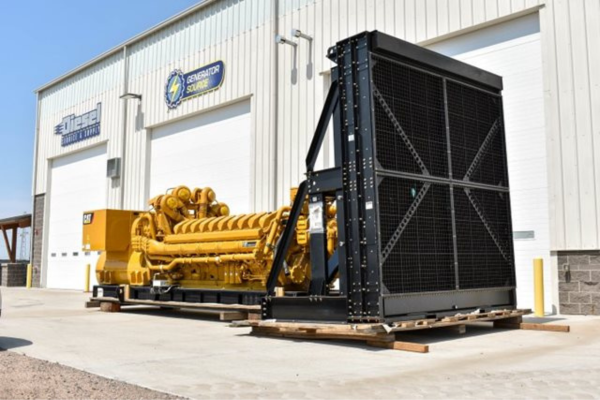
Large Diesel Generator Recommend Products

Large Diesel Generator Detail Introduction
Large diesel generators are known for their significant power output, capable of supplying electricity to large facilities, industrial operations, and critical infrastructure without batting an eye. Their operation is based on the diesel combustion process, which is renowned for its efficiency and ability to generate a high power output from a relatively small amount of fuel. This efficiency not only makes diesel generators cost-effective but also ensures they can run for extended periods, making them indispensable during prolonged power outages or in remote locations.
The critical role they play in power generation cannot be overstated. In an era where energy reliability is more crucial than ever, large diesel generators offer a safety net against the uncertainties of grid power. They provide emergency backup power to hospitals, ensuring life-saving equipment remains operational; they power data centers, keeping digital worlds alive; and they support construction sites and industrial applications where power is a non-negotiable aspect of daily operations.
The significance of large diesel generators extends beyond their power generation capabilities to include their reliability, efficiency, and the security they provide to essential global services and industries. As we delve deeper into their operations, functionalities, and applications, it becomes clear that these generators are not just backup solutions but fundamental components of a robust and resilient power generation framework. For a more in-depth look at how these generators support various industries, visit our generator sets manufacturers homepage.
Incorporating these powerhouses within the context of Mining Generator Sets, their value becomes even more pronounced. Mining operations are often located in remote and harsh environments where reliable power is critical yet challenging to secure. Large diesel generators serve as the backbone of these operations, providing the necessary energy to run heavy machinery, lighting, and safety systems, ensuring that mining activities can proceed 24/7. Their capacity to withstand the rigorous demands of the mining environment, coupled with fuel efficiency and lower emissions compared to older models, makes them an indispensable resource for the mining industry.
The Basics of Large Diesel Generator Technology
Understanding how large diesel generators work and the key components that contribute to their operation is essential for appreciating their role in power generation. At their core, these generators convert diesel fuel into electricity through a combination of mechanical and electrical processes, providing a reliable power source when and where it's needed most.
How Large Diesel Generators Work
The operation of a large diesel generator begins with the diesel engine. When the engine is started, it combusts diesel fuel to create mechanical energy. This mechanical energy is then transferred to an alternator, which converts it into electrical energy. The process hinges on the principle of electromagnetic induction, where a moving magnetic field in the alternator generates an electric current in the coils.
One of the key factors contributing to the efficiency of large diesel generators is the diesel engine’s high compression ratio, which allows for a more complete combustion of fuel, leading to higher efficiency and more power output per unit of fuel compared to other types of engines.
Key Components of a Large Diesel Generator
- Diesel Engine: The heart of the generator, responsible for converting diesel fuel into mechanical energy.
- Alternator: Also known as the generator head, it converts mechanical energy from the engine into electrical energy.
- Fuel System: Includes the fuel tank, pump, and injectors, ensuring the engine has a continuous supply of diesel.
- Cooling and Exhaust Systems: Maintain optimal operating temperatures and safely remove exhaust gases.
- Control Panel: Acts as the brain of the generator, allowing operators to start the generator, monitor its performance, and shut it down safely.
- Battery Charger: Keeps the generator's starter battery fully charged, ensuring it's always ready to start.
- Voltage Regulator: Ensures the generator produces the correct voltage output, adjusting the electrical output as needed.
The integration of these components into a single, efficient unit allows large diesel generators to provide dependable, on-demand power. This capability is particularly vital in settings where power reliability is critical to safety and productivity, highlighting the indispensable nature of these generators in the modern energy landscape.
Large Diesel Generator
Image Source:https://www.generatorsource.com/Cat-C175-20-Generator-Set.aspx
Types of Large Diesel Generators
Navigating the landscape of large diesel generators reveals a diversity designed to meet a wide range of power generation needs. Understanding the distinctions between the types of generators, including their power capacities and applications, can guide users in selecting the most appropriate model for their specific requirements.
Standby vs. Prime Power Diesel Generators
Standby Diesel Generators are primarily used as backup power sources in the event of a grid failure or when the main power source is unavailable. These generators are designed to kick in automatically during power outages, ensuring continuous power supply to critical systems and operations. They are not intended for continuous use but are crucial for emergency preparedness in hospitals, data centers, and residential properties.
Prime Power Diesel Generators serve as the main power source in locations where access to the grid is not possible or practical. This includes remote industrial sites, mining operations, and temporary construction sites. Prime power generators are built for continuous operation, offering a durable and reliable power solution for areas without grid access.
Single-phase vs. Three-phase Diesel Generators
Single-phase Diesel Generators are suitable for smaller applications, where the power demand is lower, such as small businesses, residential homes, or small workshops. These generators deliver power through a single voltage wave, making them ideal for running standard household appliances and tools.
Three-phase Diesel Generators are designed for high power requirements and are commonly used in industrial and commercial settings. Three-phase power efficiently distributes electricity, allowing for smoother operation of heavy-duty machinery and equipment without the risk of power dips or surges. This makes three-phase generators a preferred option for larger operations that demand a stable and robust power supply.
Each type of large diesel generator serves a specific role in power generation, catering to different demands and operational contexts. Whether providing emergency backup power or serving as the primary power source in off-grid situations, understanding these distinctions is key to making an informed choice that aligns with power needs, application requirements, and operational environments.
Advantages of Using Large Diesel Generators
Large diesel generators offer a suite of benefits that make them an indispensable asset across various industries and applications. Their reliability, durability, and fuel efficiency not only ensure a steady supply of power but also contribute to their cost-effectiveness over time. Let's delve into these advantages:
Reliability and Durability
One of the foremost reasons for the widespread use of large diesel generators is their remarkable reliability. Diesel engines are known for their robust construction and ability to withstand harsh operational conditions, making them perfectly suited for emergency power supply and continuous operation in remote locations. Their durability translates into longer lifespans with fewer breakdowns, ensuring that operations can continue smoothly without unexpected interruptions.
Fuel Efficiency and Cost-Effectiveness
Large diesel generators are highly fuel-efficient, producing a greater amount of power per gallon of diesel compared to generators running on other fuels. This efficiency stems from the diesel engine's high compression ratio, allowing it to extract more energy from each fuel drop. As a result, these generators offer lower operating costs over their lifespan, making them a cost-effective solution for long-term power generation needs. Additionally, the widespread availability of diesel fuel adds to their practicality and convenience, ensuring that fuel supply is seldom a concern.
The combination of reliability, durability, and fuel efficiency makes large diesel generators a preferred choice for sectors requiring uninterrupted power supply, such as healthcare, data centers, construction, and industrial operations. Their ability to provide stable and dependable power under varying conditions and demands underscores their critical role in maintaining continuity and safety across numerous applications.
Key Features to Consider When Choosing a Large Diesel Generator
Selecting the right large diesel generator involves evaluating several critical features to ensure it meets your power generation needs effectively and efficiently. Here are the key features to consider:
Power Output and Capacity
The generator's power output, measured in kilowatts (kW) or megawatts (MW), is arguably the most crucial factor. Assess your power requirements carefully, considering both your peak and average loads. A large diesel generator should have the capacity to handle your peak load without being excessively oversized for your average demand, as this can affect fuel efficiency and operational costs.
Fuel Consumption Rates and Efficiency
Fuel efficiency is a vital aspect, directly influencing operating costs and environmental impact. Look for generators with high fuel efficiency, meaning they use less fuel to produce the same amount of electricity. Manufacturers typically provide fuel consumption rates at various load levels, allowing you to estimate running costs accurately. Additionally, newer models often incorporate advanced technologies to enhance fuel efficiency further.
Large Diesel Generator Applications
Large diesel generators serve as a backbone in various sectors, providing reliable power across a spectrum of applications. Their versatility and efficiency make them indispensable in many contexts, from industrial operations to emergency power systems. Here’s a closer look at where these powerful units are making an impact:
Industrial and Construction Sites
In the industrial sector, large diesel generators are pivotal for powering machinery, tools, and production lines, especially in remote locations where grid power is unreliable or unavailable. Construction sites also rely on these generators for similar reasons, ensuring that work can continue smoothly, irrespective of local power supply conditions.
Emergency Power for Hospitals and Critical Infrastructure
Hospitals and other critical infrastructure, such as data centers and communication networks, cannot afford power interruptions. Large diesel generators provide a fail-safe during outages, ensuring that essential services and operations remain online. The reliability of diesel power guarantees that life-saving equipment in hospitals and critical data in data centers are protected from power disruptions.
Event Hosting and Entertainment Industry
The need for large diesel generators extends to the event hosting and entertainment industry, where they supply power for lighting, sound systems, and other essential equipment. Their ability to deliver consistent and reliable power quietly makes them ideal for ensuring events run smoothly without the disturbance of loud generator noise.
The application of large diesel generators in these areas highlights their importance in maintaining continuity, safety, and productivity. Whether it's supporting industrial growth, safeguarding critical health and data services, or powering memorable events, large diesel generators stand as a reliable pillar of power generation.
Environmental Impact of Large Diesel Generators
While large diesel generators are indispensable in various applications for their reliability and efficiency, their environmental impact is a significant consideration. The use of diesel fuel raises concerns about emissions and the broader ecological footprint of these power sources. Understanding and mitigating these impacts are crucial steps toward more sustainable power generation practices.
Emissions Considerations
Large diesel generators emit pollutants such as nitrogen oxides (NOx), particulate matter (PM), and carbon dioxide (CO2) during combustion. NOx and PM are particularly concerning for air quality, as they can contribute to smog and respiratory issues, while CO2 is a greenhouse gas that contributes to global warming. Advances in engine technology and emission control systems have been instrumental in reducing these emissions, but the environmental impact remains a critical issue.
Advances in Eco-friendly Diesel Technology
The diesel power generation industry has made significant strides in developing more eco-friendly technologies. Innovations include cleaner diesel fuels, such as ultra-low sulfur diesel (ULSD), and the integration of emission control technologies like selective catalytic reduction (SCR) and diesel particulate filters (DPF). These advances help reduce the amount of harmful emissions from large diesel generators.
Sustainable Practices and Alternatives
To further minimize the environmental impact, users and manufacturers of large diesel generators are exploring sustainable practices and alternatives. This includes the use of biodiesel, a renewable, biodegradable fuel made from organic materials, which can significantly reduce emissions compared to conventional diesel. Additionally, incorporating renewable energy sources into hybrid systems, where feasible, can offset diesel consumption and reduce the carbon footprint of power generation.
Addressing the environmental impact of large diesel generators involves a multifaceted approach, combining advanced technologies, cleaner fuels, and sustainable practices. While these generators remain a critical component of global power infrastructure, ongoing efforts to mitigate their ecological footprint are essential for a more sustainable future.
Maintenance and Care for Large Diesel Generators
Proper maintenance and care are crucial for ensuring the longevity and reliability of large diesel generators. Regular, scheduled maintenance not only extends the life of the generator but also enhances its efficiency and safety during operation. Here are key practices for maintaining these powerful units:
Routine Maintenance Checklist
- Visual Inspection: Regularly inspect the generator for any signs of wear, leaks, or damage. Check hoses, belts, and connections to ensure they are secure and in good condition.
- Oil and Filter Changes: Engine oil and filters should be changed according to the manufacturer’s recommendations. Clean oil is vital for the engine's health and efficiency.
- Cooling System: Check the coolant levels and inspect the cooling system for leaks. The cooling system must be flushed and refilled as per the maintenance schedule.
- Fuel System: Regularly inspect the fuel system for leaks and replace fuel filters as needed. Ensuring clean fuel is crucial to prevent contamination and engine problems.
- Air Intake System: Clean or replace air filters to ensure the engine receives clean air for combustion. A clogged air filter can lead to reduced performance and increased fuel consumption.
- Battery Maintenance: Check the battery’s charge and clean terminals to ensure a reliable start. A well-maintained battery is critical for the generator's readiness to operate.
- Exhaust System: Inspect the exhaust system for obstructions or damage. A properly functioning exhaust system is essential for safe operation.
Familiarizing yourself with common issues and their signs can help in early detection and prevent potential failures. Issues such as starting problems, unusual noises, or fluctuations in power output can indicate underlying problems that require immediate attention.
| Starting Problems | Could be due to a weak battery, fuel supply issues, or air in the fuel system. |
| Unusual Noises | Knocking, rattling, or excessive vibration can indicate mechanical problems that need to be addressed. |
| Power Fluctuations | Inconsistent power output may be caused by issues with the fuel system, air intake, or generator controls. |
Troubleshooting Common Issues
Implementing a strict maintenance schedule and addressing issues promptly ensures that your large diesel generator remains a reliable source of power. Regular care not only prevents downtime but also safeguards against costly repairs and prolongs the generator's service life.
Safety Protocols for Operating Large Diesel Generators
Ensuring the safe operation of large diesel generators is paramount for protecting both personnel and equipment. Adherence to established safety protocols can prevent accidents and ensure a secure environment for everyone involved. Here are essential safety measures to consider:
Ensuring Safe Operation
- Read the Manufacturer’s Manual: Before operating a generator, familiarize yourself with its specific safety instructions and operational guidelines.
- Proper Ventilation: Diesel generators produce exhaust gases that can be harmful if inhaled. Always operate generators in well-ventilated areas to prevent the accumulation of exhaust fumes.
- Fuel Handling: Handle diesel fuel safely by storing it in approved containers and filling the generator tank in a well-ventilated area, away from any ignition sources. Spills should be cleaned up immediately to prevent fire hazards.
- Regular Inspections: Conduct pre-operation inspections to check for any signs of wear, leaks, or damage that could pose safety risks during operation.
Emergency Procedures and Best Practices
- Emergency Shutdown: Know how to quickly and safely shut down the generator in case of emergencies. Ensure all operators are trained on the emergency shutdown procedures.
- Fire Safety: Keep fire extinguishers readily available near the generator's operating area. Ensure that operators are trained on how to use them in case of a fire.
- Electrical Safety: Avoid operating the generator in wet conditions to prevent electric shock hazards. Ensure that all electrical connections are secure and that the generator is properly grounded.
| Scheduled Maintenance | Adhere to a regular maintenance schedule to ensure the generator remains in good working condition and to identify potential hazards before they become serious. |
| Qualified Personnel | Ensure that only qualified personnel perform maintenance and repairs on the generator. Improper handling can lead to accidents and injuries. |
| Safety Signage | Post clear and visible safety signs around the generator area, warning of potential hazards and reminding operators of safe practices. |
Best Practices for Maintenance and Operation
By following these safety protocols, you can ensure the large diesel generator operates smoothly and safely, minimizing the risk of accidents and creating a safer work environment for all involved.
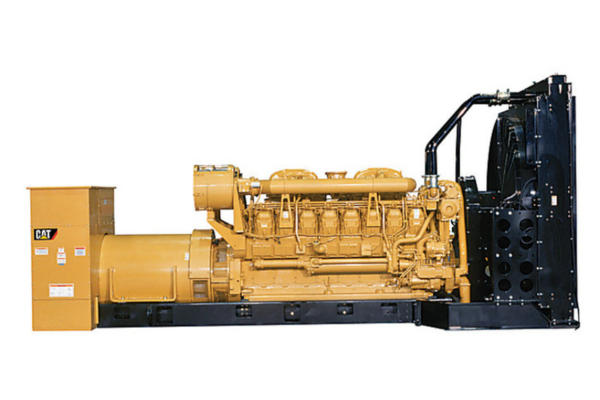
large diesel generator
Installation Considerations for Large Diesel Generators
Installing a large diesel generator involves careful planning and adherence to specific guidelines to ensure safe, efficient operation. From site selection to compliance with local regulations, several factors must be considered:
Site Selection and Preparation
- Accessibility: Choose a location that allows easy access for maintenance, fuel delivery, and emergency services. The site should also accommodate the generator's size and ventilation needs.
- Foundation: A solid, level foundation is essential for supporting the weight of the generator and minimizing vibration during operation. Concrete pads are commonly used.
- Ventilation: Ensure the site has adequate ventilation to disperse exhaust gases and maintain proper engine cooling. This is crucial for both performance and safety.
Ventilation and Cooling Requirements
- Airflow: The generator's design will dictate specific airflow requirements for cooling. Make sure the installation site allows for sufficient air intake and exhaust ventilation.
- Cooling System: For liquid-cooled generators, consider the cooling system's needs, including the placement of radiators and the potential need for external cooling sources in hot climates.
Compliance with Local Regulations and Standards
- Noise Restrictions: Be aware of local noise ordinances that may affect generator placement and operation. Using sound-attenuated enclosures can help meet these requirements.
- Environmental Regulations: Adhere to local environmental regulations concerning fuel storage, spill prevention, and emissions. This may include obtaining permits and installing spill containment systems.
- Electrical Codes: Installation must comply with national and local electrical codes to ensure safety and functionality. This includes proper grounding, overcurrent protection, and wiring practices.
Safety and Security
- Physical Barriers: Consider installing physical barriers or fencing around the generator to prevent unauthorized access and protect against accidental contact.
- Signage: Post clear, visible signs indicating the presence of a generator, highlighting potential hazards, and providing safety instructions.
A well-planned installation ensures the large diesel generator operates safely, efficiently, and in compliance with all relevant standards and regulations. Consulting with professionals during the planning and installation phases can help address specific challenges and requirements, ensuring a successful setup.
Innovations in Large Diesel Generator Technology
The field of large diesel generator technology is continually evolving, driven by demands for greater efficiency, reduced emissions, and enhanced performance. Innovations in design, fuel efficiency, and environmental sustainability are shaping the future of diesel generators, making them more adaptable to a wide range of applications while minimizing their ecological footprint. Here are some of the significant advancements:
Developments in Noise Reduction and Fuel Efficiency
- Advanced Sound-Attenuation Materials: New materials and design techniques are being used to significantly reduce the noise output of diesel generators, making them suitable for use in noise-sensitive areas.
- High-Efficiency Engines: Engine manufacturers are focusing on improving fuel efficiency through advanced combustion techniques and turbocharging, reducing operational costs and lowering emissions.
The Future of Diesel Generator Technology
- Hybrid Systems: The integration of diesel generators with renewable energy sources, such as solar panels or wind turbines, forms hybrid systems that offer reduced fuel consumption and emissions. These systems can provide reliable power with the flexibility of switching between or combining energy sources based on availability and cost.
- Emission Control Technologies: To comply with stringent global emissions standards, new diesel generators are equipped with advanced emission control technologies, including selective catalytic reduction (SCR) and diesel particulate filters (DPF), which significantly reduce NOx, SOx, and particulate matter emissions.
- Digital and Smart Technologies: The incorporation of digital controls, remote monitoring, and smart management systems allows for more efficient operation, predictive maintenance, and enhanced reliability. These technologies enable operators to optimize performance, anticipate servicing needs, and prevent potential issues before they lead to downtime.
These innovations not only improve the operational aspects of large diesel generators but also address environmental concerns, making them more compatible with sustainability goals. As technology advances, diesel generators are set to remain a vital component of global power generation infrastructure, offering a blend of reliability, efficiency, and adaptability.
Cost Analysis and Budgeting for a Large Diesel Generator
Investing in a large diesel generator involves careful consideration of both the initial purchase price and the ongoing operational costs. A comprehensive cost analysis helps ensure that the generator not only fits the budgetary constraints but also provides value over its operational lifespan. Here are key factors to consider when analyzing costs and planning your budget:
Understanding the Total Cost of Ownership
- Initial Purchase Price: The upfront cost of a large diesel generator can vary widely based on power output, features, and manufacturer. While it's tempting to opt for a lower-cost option, it's crucial to consider the generator's quality, reliability, and warranty, as these factors can impact long-term costs.
- Operational Costs: Fuel consumption is a significant part of the operational costs. The efficiency of the generator directly affects how much diesel fuel it will consume over time. Additionally, consider the costs of routine maintenance, repairs, and potential parts replacement to keep the generator in optimal condition.
- Lifespan and Depreciation: A high-quality large diesel generator can have a considerable operational lifespan if properly maintained. Understanding the expected depreciation over time can help in budgeting for future replacement or upgrade needs.
| Evaluate Energy Needs | Accurately assessing your power requirements can prevent overinvestment in a generator with far more capacity than necessary. Consider both current and future energy needs to select a generator that offers the best balance between cost and functionality. |
| Consider Financing Options | For many businesses, purchasing a generator outright may not be feasible. Look into financing options that can spread the cost over time, making it easier to manage cash flow while securing the power infrastructure needed. |
| Invest in Quality | Opting for a generator from a reputable manufacturer might come with a higher initial price tag but can lead to savings in the long run through better fuel efficiency, lower maintenance costs, and greater reliability. |
Budgeting Tips for Potential Buyers
By taking a comprehensive approach to cost analysis and budgeting, you can ensure that your investment in a large diesel generator is sound, providing the power you need while managing costs effectively.
Comparing Large Diesel Generators with Other Generator Types
When selecting a power generation solution, it's essential to understand how large diesel generators stack up against other types of generators, such as gas and hybrid models. This comparison can help you make an informed decision based on performance, cost, and environmental impact.
Performance Comparison
Large diesel generators are renowned for their reliability, durability, and high fuel efficiency, making them suitable for continuous use, especially in remote or demanding environments. In contrast, gas generators typically offer quicker start-up times and lower initial costs but may not match the durability and fuel efficiency of diesel models. Hybrid generators, which combine diesel with renewable energy sources, offer a balance of reliable power and reduced environmental impact, with the added benefit of potentially lower operating costs over time.
Cost-Benefit Analysis
From a cost perspective, large diesel generators often have a higher initial purchase price compared to gas generators but tend to have lower operational costs due to their fuel efficiency and longer lifespan. Gas generators might be less expensive upfront but can have higher fuel costs, especially in regions where gas prices are volatile. Hybrid systems might require a significant initial investment but can lead to substantial savings on fuel costs and environmental levies in the long run.
Environmental Considerations
Environmental impact is a critical factor in the choice of generator. Large diesel generators have traditionally been associated with higher emissions of CO2 and NOx. However, advances in diesel technology and the use of ultra-low sulfur diesel (ULSD) and biodiesel blends have significantly reduced their environmental footprint. Gas generators generally produce lower CO2 emissions but can emit methane, a potent greenhouse gas. Hybrid generators represent the most environmentally friendly option, reducing reliance on fossil fuels and cutting emissions by integrating renewable energy sources.
In conclusion, large diesel generators offer a reliable and efficient solution for applications requiring durable, continuous power. While gas generators may be suitable for less demanding or cost-sensitive applications, and hybrid generators offer the greatest environmental benefits, the choice ultimately depends on specific power needs, budget constraints, and sustainability goals.
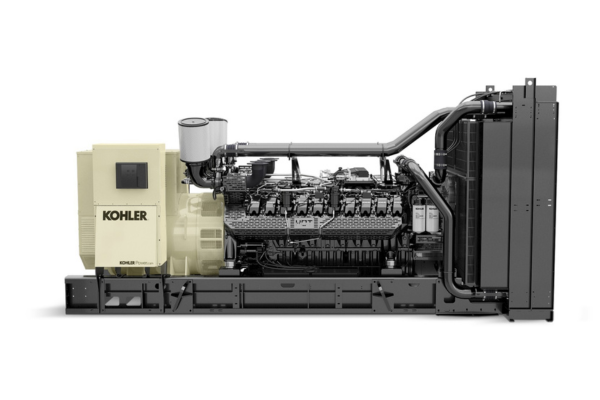
large diesel generators
Selecting the Right Large Diesel Generator for Your Needs
Choosing the appropriate large diesel generator involves a careful assessment of your power requirements, environmental considerations, and space constraints. This selection process ensures you invest in a generator that not only meets your current needs but also accommodates future growth. Here are critical factors to consider:
Assessing Power Requirements
Understanding your power needs is the first step in selecting the right generator. Calculate the total power consumption of all the equipment and systems you need to operate. Consider both your peak load—the maximum power you'll need at any one time—and your average load to ensure the generator can handle your demands without being underutilized or overstressed.
Considering Environmental and Noise Constraints
Environmental impact and noise are significant considerations, especially in populated areas or sensitive environments. Opt for generators with advanced emissions control technologies and low-noise features to comply with local regulations and minimize your ecological footprint. Assessing the generator's placement and potential impact on nearby areas is crucial.
Evaluating Space and Installation Constraints
The physical size of the generator and the space available for installation can influence your choice. Large diesel generators require adequate space for operation, maintenance, and ventilation. Consider the logistics of delivering and installing the generator, ensuring there is sufficient access for these activities and future servicing.
By carefully evaluating these factors, you can select a large diesel generator that provides reliable power tailored to your specific needs, while also considering environmental impact and space requirements. This comprehensive approach ensures a wise investment, supporting your operations with efficient and sustainable power solutions.
Conclusion: The Evolving Role of Large Diesel Generators in Power Generation
The journey through the world of large diesel generators highlights their critical role in providing reliable, efficient power across various sectors. From industrial sites to emergency backup for critical infrastructure, these generators have proven to be indispensable in ensuring continuity and stability in power supply. As we've explored the nuances of diesel generator technology, applications, and innovations, it's clear that their significance extends beyond just backup power – they are a foundational element of modern power generation strategies.
Large diesel generators have demonstrated remarkable adaptability, evolving with technological advancements to meet the growing demands for sustainability and efficiency. Innovations in fuel efficiency, emissions reduction, and integration with renewable energy sources are shaping a new generation of diesel generators that align more closely with global environmental goals. This evolution is crucial in a world increasingly focused on reducing carbon footprints and combating climate change.
Looking to the future, the role of large diesel generators in power generation is set to continue, albeit with a greater emphasis on environmental sustainability and technological integration. The push for cleaner, more efficient power solutions is driving advancements in diesel generator technology, making them more compatible with a sustainable future. As industries and societies strive for reliability in power supply without compromising environmental values, large diesel generators stand ready to meet these challenges.
In conclusion, the importance of large diesel generators in ensuring reliable power cannot be overstated. Their ability to evolve with technological and environmental demands ensures their place in the future of power generation. As we move forward, the continued innovation and improvement in diesel generator technology will play a pivotal role in balancing the demands of power generation with the imperative of environmental stewardship.
FAQs: Common Questions About Large Diesel Generator
What is a Large Diesel Generator?
A large diesel generator is a type of power generating unit that converts diesel fuel into electricity. It is typically used in situations where a reliable source of large-scale power is needed, such as in industrial settings, during power outages, or in remote locations without access to the power grid.
How Do Large Diesel Generators Work?
Large diesel generators work by using a diesel engine to drive an alternator, which then produces electricity. The diesel engine combusts fuel to create motion, which is converted into electrical energy through electromagnetic induction within the alternator.
What Are the Advantages of Using a Large Diesel Generator?
The main advantages include high fuel efficiency, reliability, durability, and the ability to provide a stable power supply under various conditions. They are particularly valued for their performance in continuous use and emergency backup situations.
How Often Do Large Diesel Generators Need Maintenance?
The maintenance frequency can vary based on the model, usage, and operational conditions. However, regular maintenance is crucial for optimal performance and longevity. This typically includes checks and services such as oil and filter changes, cooling system maintenance, and fuel system inspections.
Can Large Diesel Generators Be Used for Residential Purposes?
While large diesel generators are often used in commercial and industrial settings, they can also be used for residential purposes, especially in homes requiring a substantial amount of backup power or in remote locations where grid power is unreliable.
Are Large Diesel Generators Environmentally Friendly?
Modern large diesel generators are becoming more environmentally friendly through advancements in technology, such as improved fuel efficiency and the use of cleaner-burning diesel. Many models now incorporate emission control systems to reduce pollutants. Additionally, the use of biodiesel and other renewable diesel options can further decrease the environmental impact.
How Can I Determine the Right Size of Large Diesel Generator for My Needs?
Determining the right size involves calculating the total power requirements of all the equipment or facilities you need to power. It's important to consider both the starting and running wattage of all devices to ensure the generator can handle the load. Consulting with a professional can help in accurately assessing your power needs and selecting an appropriately sized generator.
How to reduce generator fuel consumption?
Regular generator maintenance. Avoid overloading the generator. Avoid generator underload. Remove carbon deposits from the generator. Use the right temperature for your generator. Choose the right generator.
References
1.Caterpillar offers a wide range of diesel-fueled generator sets built to world-class standards for high efficiency, low fuel consumption, and global emissions compliance. They provide commercial and industrial generator sets with a variety of options to match your power needs, ensuring easy selection and installation.
2.Atlas Copco specializes in large portable diesel generators, offering units that are dependable and designed to be both portable and powerful. Their generators, like the QAS series, are made to handle various tasks regardless of weather conditions and site distance, emphasizing compactness, power, reliability, and the ability to perform in heavy-duty environments.
3.Wikipedia provides a broad overview of diesel generators, detailing their uses, from auxiliary power on ships and in large vehicles like locomotives, to emergency and prime power sources in remote or isolated communities. Diesel generators are selected based on the electrical load they are intended to supply, considering aspects like kW, kVA, var, harmonic content, and surge currents.
4.Americas Generators provides a comprehensive selection of large generators, catering to needs ranging from large portable generators to high-capacity backup and industrial generators. They offer models suitable for various applications, ensuring a reliable and robust power supply.
5.Generac Industrial Power features diesel generators designed to meet stringent emission standards, including the 500kW Tier 4 Final Diesel Generator, which is environmentally responsible for power generation needs. Their range includes models suitable for high kW applications and facilities requiring on-site fuel storage due to code requirements, emphasizing their applicability in hospitals, emergency response centers, and more.