



Mobile generator sets are versatile, portable power sources designed to provide electricity in locations without access to the power grid or as backup during power outages. Engineered for mobility and ease of use, they are a crucial asset for field operations, construction sites, emergency relief efforts, outdoor events, and more. These generators come in various sizes and power capacities, equipped to handle a range of power needs, from lighting and small appliances to powering heavy machinery and entire operational sites.
Advancements in technology have led to significant improvements in the efficiency, sustainability, and functionality of mobile generator sets. Modern units now feature more fuel-efficient engines, lower emissions, and the integration of smart technology for remote monitoring and management. Furthermore, the trend towards hybrid models that combine traditional fuel-powered engines with renewable energy sources, like solar panels, is enhancing their environmental friendliness. These innovations ensure mobile generator sets continue to be an indispensable, reliable source of power across numerous industries and applications.
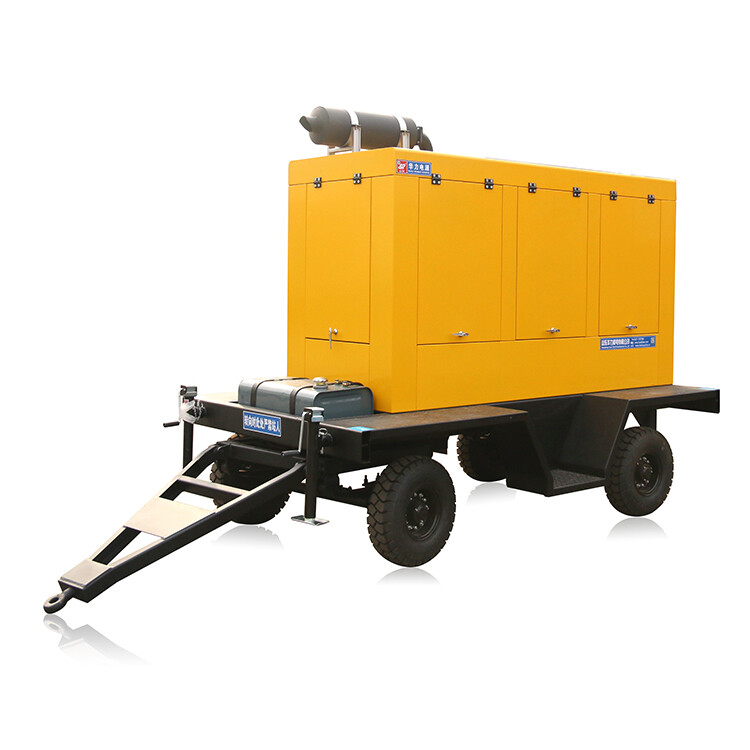
Mobile Generator Sets Recommend Products

Mobile Generator Sets Detail Introduction
Introduction: The Essential Role of Mobile Generator Sets in Field Operations
In the realm of field operations, especially in remote and inaccessible locations, mobile generator sets stand as the backbone of operational success. These versatile units provide the lifeline of power essential for a wide array of activities, from construction sites and emergency relief operations to large-scale events and mining operations. The importance of mobile generator sets lies not only in their capability to supply reliable power but also in their flexibility and adaptability to various environmental conditions and operational demands.
The evolution of generator sets has been marked by significant technological advancements, aimed at meeting the ever-increasing demands of modern field operations. Historically, these generator sets were seen as simple, standalone units providing emergency or backup power. However, the modern landscape has witnessed a transformative shift, with mobile generator sets evolving into sophisticated systems capable of delivering not just power but also efficiency, reliability, and sustainability in the most challenging conditions.
This progression reflects a broader trend within the industry towards embracing innovative solutions that enhance operational efficiency and minimize environmental impact. Today's generator sets are designed with a keen focus on fuel efficiency, emission reduction, and integration with renewable energy sources, aligning with the global push towards more sustainable practices.
One significant application of mobile generator sets is in the agriculture sector, where Diesel Generators for Agriculture play a pivotal role. Agriculture operations often take place in locations far from the main power grid, requiring dependable and mobile power solutions to run equipment, irrigation systems, and provide lighting and support for livestock facilities. For more information on generator set manufacturers, please visit our homepage. There, you will find a selection of leading generator set whose products not only excel in performance but also meet the latest industry standards.
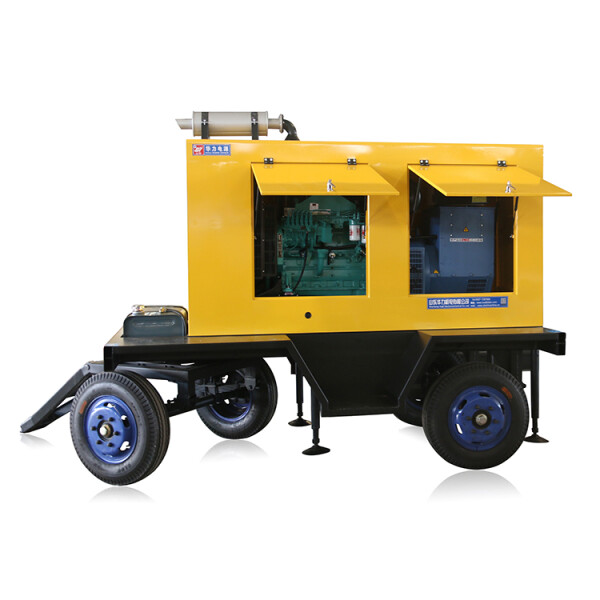
Portable, Mobile, Trailer and Canopy Generator Sets(Gensets)
Understanding Mobile Generator Sets: Types and Features
Mobile generator sets have become indispensable in providing essential power for a wide range of field operations, from construction sites to emergency relief efforts. Their design and functionality are tailored to meet the specific needs of these varied applications, making understanding the different types and key features of mobile generators crucial for selecting the right unit for any given task.
Different Types of Mobile Generator Sets Available in the Market
- Diesel Generator Sets: Known for their durability and high power output, diesel generator sets are a common choice for heavy-duty applications.
- Gasoline Generator Sets: Often chosen for their portability and lighter weight, gasoline generators are suitable for smaller-scale operations.
- Natural Gas Generator Sets: These offer a cleaner-burning alternative to diesel and gasoline, reducing emissions and potentially lowering operating costs in areas where natural gas is readily available.
- Hybrid and Renewable Energy Generator Sets: Incorporating solar panels, wind turbines, or battery storage, these sets are designed to reduce reliance on fossil fuels and minimize environmental impact.
Key Features that Differentiate Mobile Generator Sets
- Portability: A crucial feature, portability is achieved through compact designs and the inclusion of wheels or trailers, allowing for easy movement between locations.
- Fuel Efficiency: Advances in engine design and control systems have significantly improved the fuel efficiency of mobile generators, reducing operational costs.
- Power Output: The power output of mobile generator sets varies widely to accommodate different energy needs, from powering a single tool to providing electricity for an entire campsite or event.
- Durability: Designed to withstand harsh conditions, durable construction and protective features ensure reliable operation in challenging environments.
- Emission Controls: With increasing regulatory and environmental concerns, modern mobile generators are equipped with advanced emission control technologies to meet stricter standards.
Understanding the types and features of mobile generator sets is essential for anyone involved in planning and executing field operations. By carefully considering these factors, operators can select a generator set that not only meets their immediate power needs but also aligns with broader operational goals, including efficiency, environmental sustainability, and regulatory compliance.
Diesel Generator Sets: | Known for their durability and high power output, diesel generator sets are a common choice for heavy-duty applications. |
Gasoline Generator Sets: | Often chosen for their portability and lighter weight, gasoline generators are suitable for smaller-scale operations. |
Natural Gas Generator Sets: | These offer a cleaner-burning alternative to diesel and gasoline, reducing emissions and potentially lowering operating costs in areas where natural gas is readily available. |
Hybrid and Renewable Energy Generator Sets: | Incorporating solar panels, wind turbines, or battery storage, these sets are designed to reduce reliance on fossil fuels and minimize environmental impact. |
Technological Advancements in Mobile Generator Sets
The landscape of mobile generator sets has undergone significant transformation, driven by technological advancements aimed at enhancing performance, efficiency, and environmental sustainability. These innovations have not only improved the operational capabilities of mobile generators but also their impact on field operations across various industries.
Innovations that have Enhanced the Performance and Efficiency of Mobile Generator Sets
Recent advancements in mobile generator technology include:
- Smart Control Systems: Modern mobile generators are equipped with intelligent control systems that optimize fuel consumption and adjust power output based on demand, significantly improving fuel efficiency and reducing operational costs.
- Advanced Emission Reduction Technologies: The incorporation of technologies such as selective catalytic reduction (SCR) and diesel particulate filters (DPF) has greatly reduced the emissions from diesel-powered mobile generators, helping operations meet stringent environmental regulations.
- Hybrid Power Solutions: The development of hybrid generator sets, which combine conventional diesel engines with renewable energy sources like solar panels or wind turbines, and battery storage, represents a leap towards reducing dependency on fossil fuels and minimizing carbon footprints.
The Impact of These Advancements on Field Operations Across Various Industries
The implications of these technological advancements in mobile generator sets are far-reaching:
- Increased Operational Efficiency: Enhanced control systems and fuel efficiency technologies ensure that mobile generators can provide power more effectively, allowing operations to run smoothly with reduced fuel consumption.
- Environmental Compliance: With stricter environmental regulations coming into effect worldwide, the ability of mobile generators to operate with lower emissions is crucial for maintaining compliance and reducing environmental impact.
- Versatility and Reliability: Innovations in generator design and hybrid power solutions have made mobile generators more versatile and reliable, capable of providing stable power under varying conditions and for a range of applications, from remote mining operations to disaster relief efforts.
These advancements underscore the industry's commitment to innovation, reflecting a broader shift towards sustainability and efficiency in field operations. As mobile generator sets continue to evolve, they offer a promising path for industries seeking to balance the demands of operational performance with environmental stewardship.
Are Mobile Generator Sets Important in Portable Power?
Yes, mobile generator sets play a crucial role in portable power solutions across various applications. Here's why they are important:
Emergency Power Supply: Mobile generator sets are vital for providing emergency power during power outages caused by natural disasters, such as hurricanes, floods, and earthquakes, or other unforeseen events. They ensure that essential services, such as hospitals, emergency response units, and data centers, continue to operate without interruption.
Construction Sites: Many construction projects are located in areas without access to the electrical grid. Mobile generator sets supply the necessary power for tools, lighting, and machinery required to carry out construction work efficiently and safely.
Outdoor Events: Mobile generators are indispensable for powering outdoor events like concerts, festivals, weddings, and sports events. They provide electricity for lighting, sound systems, catering, and other needs, making these events possible in locations without direct access to power.
Remote Locations: For industries such as mining, oil and gas exploration, and forestry, operations often take place in remote areas where grid power is not available. Mobile generator sets supply the power needed for drilling, excavation, processing, and accommodation facilities.
Backup Power for Businesses: Businesses often use mobile generator sets as a backup power source to prevent operational disruptions and financial losses during power outages. This is especially critical for sectors where continuous power is necessary, such as manufacturing, retail, and IT.
Flexibility and Mobility: One of the key advantages of mobile generator sets is their flexibility and mobility. They can be quickly deployed to wherever they are needed, providing a reliable power source on demand, without the need for permanent infrastructure.
Support for Renewable Energy Projects: Mobile generator sets can also support renewable energy projects, such as solar or wind farms, by providing backup power during periods of low sun or wind activity, ensuring a continuous power supply.
In summary, mobile generator sets are a key component of portable power solutions, offering reliability, flexibility, and essential support across a wide range of applications. Their importance is highlighted in scenarios requiring emergency power, powering remote or temporary sites, and ensuring the continuity of business operations.
How do I know what size portable generator to buy?
To find out how much generator power you need, add the total operating wattage of all the appliances you want to run simultaneously to the highest single starting wattage. You need a generator that can handle that amount without using 100% of the wattage.
How many kVA is a 3000 watt generator?
The generator therefore only needs to provide 3000 W of power. You can use a 3KVA generator or a 3KW generator as both are the same in terms of no reactive power.
The Benefits of Using Mobile Generator Sets in Field Operations
Mobile generator sets are pivotal in powering field operations, providing a reliable source of electricity in locations where grid power is unavailable or unreliable. Their importance spans across industries, including construction, mining, emergency relief, and event hosting. The benefits of using mobile generator sets in these operations are multifaceted, enhancing not only the efficiency and productivity of tasks but also ensuring safety and continuity in challenging environments.
How Mobile Generator Sets Support Operational Continuity, Productivity, and Safety in Remote Operations
- Operational Continuity: Mobile generator sets ensure that operations can continue uninterrupted, regardless of the availability of grid power. This is crucial for time-sensitive projects and operations in remote areas where power outages can lead to significant delays and financial losses.
- Enhanced Productivity: With the ability to power a wide array of machinery and equipment, mobile generators facilitate a more efficient and streamlined workflow, enabling teams to complete tasks faster and more effectively.
- Safety: In environments where lighting, communication, and safety systems rely on continuous power supply, mobile generator sets play a critical role in maintaining safe working conditions, especially in emergency situations or adverse weather conditions.
Case Studies Highlighting the Critical Role of Mobile Generator Sets in Successful Field Operations
- Disaster Relief Efforts: In the aftermath of natural disasters, mobile generator sets have been instrumental in powering relief camps, medical facilities, and communication systems, aiding in recovery and rebuilding efforts.
- Construction Projects: For construction sites located in undeveloped areas, mobile generators provide the necessary power for tools, lighting, and equipment, enabling progress regardless of local infrastructure limitations.
- Outdoor Events: Large-scale outdoor events, from concerts to festivals, rely on mobile generator sets to power sound systems, lighting, and vendor operations, ensuring a seamless experience for attendees.
The utilization of mobile generator sets in field operations underscores their versatility and indispensability. By ensuring a stable and reliable power supply, these generators support the core functions of various industries, highlighting their essential role in the success and safety of field operations worldwide.
Fuel Options for Mobile Generator Sets: Pros and Cons
Choosing the right fuel type for mobile generator sets is a critical decision that impacts not only the efficiency and cost of operations but also the environmental footprint. Each fuel option—diesel, gasoline, natural gas, and renewable energy—comes with its own set of advantages and drawbacks.
Diesel Generator Sets
Pros:
- High Energy Density: Diesel fuel contains more energy per liter than gasoline, translating to longer running times and higher efficiency.
- Durability and Reliability: Diesel engines are known for their ruggedness and longevity, making them suitable for demanding field operations.
Cons:
- Emissions: Diesel fuel combustion can produce higher levels of harmful emissions compared to some alternatives, although modern diesel engines with advanced emission control technologies have significantly reduced this issue.
- Fuel Cost: Diesel prices can be volatile, potentially affecting operational budgets.
Gasoline Generator Sets
Pros:
- Initial Cost: Generally, gasoline generators are less expensive to purchase than their diesel counterparts.
- Availability: Gasoline is widely available, making it a convenient option for many applications.
Cons:
- Fuel Efficiency: Gasoline engines typically have lower fuel efficiency and higher running costs compared to diesel engines.
- Durability: Gasoline engines may not match the durability and lifespan of diesel engines, especially in heavy-duty applications.
Natural Gas Generator Sets
Pros:
- Lower Emissions: Natural gas burns cleaner than gasoline or diesel, producing fewer pollutants and greenhouse gases.
- Cost-Effectiveness: Depending on local prices, natural gas can be a more cost-effective fuel option.
Cons:
- Infrastructure Dependency: The availability of natural gas can be limited by infrastructure, making it less suitable for remote or mobile applications unless bottled gas is used.
Renewable Energy-Powered Generator Sets
Pros:
- Environmental Impact: Renewable energy sources like solar or wind produce no emissions during operation, offering a significant environmental advantage.
- Operational Costs: While the initial setup costs can be high, renewable energy sources have low ongoing costs, as they do not require fuel purchases.
Cons:
- Intermittency: The biggest challenge with renewable energy sources is their dependence on environmental conditions, which can lead to power supply inconsistency without adequate storage solutions.
Understanding the pros and cons of each fuel option for mobile generator sets allows operators to make informed choices based on their specific operational requirements, budget constraints, and environmental considerations. The trend towards integrating renewable energy sources with traditional fuel options reflects a broader move towards sustainability and efficiency in field operations.

1MW gas generator set
Integration of Renewable Energy with Mobile Generator Sets
The integration of renewable energy with mobile generator sets represents a significant leap forward in achieving sustainable field operations. This hybrid approach not only addresses environmental concerns but also offers enhanced efficiency and reliability. The combination of traditional diesel generators with renewable sources like solar and wind power creates a versatile and eco-friendly power solution.
Exploring Hybrid Systems that Combine Traditional and Renewable Energy Sources
Hybrid systems typically involve the use of mobile generator sets in conjunction with one or more renewable energy sources. The most common configurations include:
- Solar-Diesel Hybrid: Solar panels supplement diesel generators, reducing fuel consumption during sunny periods. Battery storage can capture excess solar energy for use when sunlight is insufficient.
- Wind-Diesel Hybrid: In areas with consistent wind patterns, wind turbines can work alongside diesel generators to provide power, with generators kicking in when wind speeds are low.
Benefits of Integrating Renewable Energy into Mobile Power Solutions for Field Operations
- Reduced Fuel Consumption and Costs: By leveraging renewable energy sources, operations can significantly cut down on diesel fuel use, leading to cost savings and reduced emissions.
- Enhanced Energy Security: Hybrid systems offer greater energy independence, reducing reliance on fuel supply chains that can be volatile or disrupted.
- Environmental Sustainability: The integration of renewables substantially lowers the carbon footprint of field operations, aligning with global sustainability goals and often improving compliance with environmental regulations.
Technical Considerations for Integration
Successfully integrating renewable energy sources with mobile generator sets requires careful consideration of several factors:
- Energy Management: Advanced energy management systems are essential for optimizing the use of available renewable energy and seamlessly switching between power sources based on demand and conditions.
- System Sizing: Accurately sizing the renewable energy components and storage capacity is crucial to ensure sufficient power supply and maximize the benefits of integration.
- Infrastructure and Maintenance: Implementing a hybrid system may require additional infrastructure, such as mounting systems for solar panels or towers for wind turbines, and an understanding of the maintenance needs of both traditional and renewable components.
The movement towards integrating renewable energy with mobile generator sets is driven by the dual goals of enhancing operational efficiency and promoting environmental stewardship. As technology advances and the cost of renewable energy systems continues to decrease, this approach is becoming increasingly feasible and attractive for a wide range of field operations, marking a significant step towards the future of sustainable power generation in remote and challenging environments.
Reduced Fuel Consumption and Costs: | By leveraging renewable energy sources, operations can significantly cut down on diesel fuel use, leading to cost savings and reduced emissions. |
Enhanced Energy Security: | Hybrid systems offer greater energy independence, reducing reliance on fuel supply chains that can be volatile or disrupted. |
Environmental Sustainability: | The integration of renewables substantially lowers the carbon footprint of field operations, aligning with global sustainability goals and often improving compliance with environmental regulations. |
Navigating Challenges: Maintenance and Logistics of Mobile Generator Sets
The effective use of mobile generator sets in field operations involves navigating a series of maintenance and logistical challenges. These challenges can impact the reliability, efficiency, and overall success of operations, making it essential for companies to adopt strategic approaches to overcome them.
Common Maintenance Challenges Associated with Mobile Generator Sets
- Harsh Operating Environments: Mobile generators are often deployed in rugged, remote, or harsh environments, which can accelerate wear and tear and necessitate more frequent maintenance.
- Fuel Quality Issues: Especially in remote locations, ensuring access to high-quality fuel can be a challenge, and poor fuel quality can lead to generator malfunctions and decreased efficiency.
- Complexity of Hybrid Systems: Integrating renewable energy sources with traditional diesel generators increases system complexity, requiring specialized knowledge for maintenance and troubleshooting.
Solutions and Strategies for Effective Maintenance
- Regular Maintenance Schedule: Establishing and adhering to a strict maintenance schedule is crucial to prolonging the life of a generator set and ensuring it operates at peak efficiency.
- Training for Operators: Providing comprehensive training for operators on the proper care and maintenance of generator sets can help prevent common issues and ensure quick responses to any problems that arise.
- Remote Monitoring Systems: Implementing advanced monitoring systems allows for real-time tracking of generator performance, enabling preemptive maintenance and reducing downtime.
Logistics and Considerations for Deploying Mobile Generator Sets in Remote or Challenging Environments
Deploying mobile generator sets in difficult environments requires careful logistical planning:
- Transportation: Ensuring that generator sets can be safely and efficiently transported to and from remote sites is essential, often requiring specialized vehicles or transportation methods.
- Site Preparation: Preparing the site for generator installation, including ensuring stable ground and adequate ventilation for operation, is a key logistical consideration.
- Fuel Supply and Storage: Planning for fuel supply and storage is critical, especially in locations where fuel access may be limited or sporadic.
Navigating the maintenance and logistical challenges of mobile generator sets demands a proactive and strategic approach. By addressing these issues head-on, companies can enhance the reliability and efficiency of their operations, ensuring that power needs are met consistently, even in the most demanding conditions. This not only supports operational success but also contributes to the safety and sustainability of field projects.
Safety Considerations for Operating Mobile Generator Sets
Ensuring safety is paramount when operating mobile generator sets, especially in remote or challenging field operations. The dynamic nature of these environments, combined with the inherent risks associated with generating and distributing electrical power, necessitates strict adherence to safety protocols and best practices.
Essential Safety Tips and Best Practices for Using Mobile Generator Sets in Field Operations
- Proper Installation and Grounding: Ensure that the generator set is properly installed and grounded according to manufacturer guidelines and local regulations. Incorrect installation can lead to electrical hazards and operational failures.
- Ventilation and Placement: Operate generators in well-ventilated areas to prevent the accumulation of hazardous exhaust fumes. Be mindful of the generator's placement to avoid noise and vibration issues that could impact operational efficiency and safety.
- Regular Maintenance: Conduct regular maintenance checks to identify and address potential issues before they lead to accidents. This includes checking fuel lines, electrical connections, and the integrity of safety features.
- Fuel Handling: Store and handle fuel with care to prevent spills, leaks, and the risk of fire. Use appropriate containers and follow guidelines for fuel transportation and storage.
Understanding the Risks and How to Mitigate Them to Ensure Safe Operation
- Fire and Explosion Risk: Minimize the risk of fire and explosion by keeping the generator and fuel away from heat sources and ensuring that the engine is cool before refueling.
- Carbon Monoxide Poisoning: Prevent carbon monoxide poisoning by never using a generator indoors or in enclosed spaces, and by installing carbon monoxide detectors in areas where generators are used.
- Electrical Hazards: Avoid electrical hazards by using heavy-duty, outdoor-rated power cords and keeping the generator dry and off the ground to prevent electrocution risks.
Adhering to these safety considerations is crucial for preventing accidents and ensuring the well-being of personnel during field operations. Mobile generator sets are indispensable tools in remote settings, but their benefits can only be fully realized when they are used responsibly, with a strong emphasis on safety and precautionary measures. By implementing these best practices, operators can mitigate risks and maintain a safe and efficient operational environment.
Environmental Impact and Sustainability of Mobile Generator Sets
The increasing integration of mobile generator sets in various field operations brings to the forefront concerns about their environmental impact. As the world gravitates towards sustainability, understanding and mitigating the ecological footprint of these essential power sources becomes imperative for industries relying on them.
Assessing the Environmental Footprint of Using Mobile Generator Sets in Field Operations
Mobile generator sets, especially those running on fossil fuels like diesel, contribute to environmental pollution through emissions of carbon dioxide (CO2), nitrogen oxides (NOx), and particulate matter. These emissions contribute to air pollution and climate change, posing challenges to environmental sustainability goals. Additionally, the operation of generator sets can lead to noise pollution, impacting both wildlife and human populations in surrounding areas.
Strategies for Minimizing the Ecological Impact While Maintaining Operational Efficiency
To address these concerns, several strategies can be employed:
- Adopting Cleaner Fuel Technologies: Shifting from traditional diesel generators to those powered by cleaner alternatives such as natural gas, biodiesel, or even hybrid systems incorporating renewable energy sources can significantly reduce harmful emissions.
- Enhancing Fuel Efficiency: Investing in modern, fuel-efficient generator sets equipped with advanced technology to optimize fuel use and reduce unnecessary emissions is crucial.
- Regular Maintenance and Upkeep: Ensuring that generator sets are regularly maintained and operating efficiently can prevent excessive fuel consumption and emissions.
- Implementing Sound-Reducing Measures: Utilizing sound-dampening enclosures and strategic placement can mitigate the noise pollution associated with generator use, lessening the impact on local environments and communities.
The push towards sustainability in the use of mobile generator sets reflects a broader industry trend towards environmentally responsible practices. By adopting these strategies, operators can significantly lessen the ecological impact of their operations while still benefiting from the reliability and power that generator sets provide. As technology advances and more sustainable options become available, the potential for reducing the environmental footprint of mobile power generation continues to grow, aligning field operations with global sustainability goals.
Regulatory Compliance and Mobile Generator Sets
Navigating the complex landscape of regulatory compliance is crucial for operations that rely on mobile generator sets. Compliance ensures adherence to environmental standards, workplace safety, and efficiency requirements, which vary across different regions and industries. Understanding and following these regulations not only mitigates legal risks but also aligns operations with best practices for sustainability and safety.
Overview of Regulations and Standards Affecting the Use of Mobile Generator Sets in Field Operations
Regulations governing the use of mobile generator sets often focus on emissions controls, noise levels, fuel storage, and safety measures. For instance, emissions regulations aim to limit the output of pollutants such as nitrogen oxides (NOx), carbon monoxide (CO), and particulate matter (PM) to protect air quality. Similarly, noise regulations seek to minimize the impact of generator operation on surrounding environments and communities.
How to Ensure Compliance with Local, National, and International Regulations
Research and Understand Applicable Regulations: Familiarize yourself with the environmental and safety regulations specific to the locations where the mobile generators will be used. This may involve national standards as well as local ordinances.
Select Compliant Generator Sets: Choose mobile generator sets that meet or exceed the regulatory requirements for emissions, noise, and safety in your operational area. Manufacturers typically provide detailed information about the compliance of their products with standards such as those set by the Environmental Protection Agency (EPA) in the United States or the European Union's Stage V emissions standards.
Implement Regular Maintenance and Monitoring: Regular maintenance ensures that generator sets continue to operate within compliance parameters. Implementing a routine monitoring program can help identify potential compliance issues before they become problematic.
Keep Detailed Records: Maintain thorough records of purchase documentation, maintenance logs, and any emissions testing results. This documentation can be crucial in demonstrating compliance during inspections or audits.
Ensuring compliance with regulations governing mobile generator sets is an ongoing responsibility that requires proactive management. By staying informed about the latest regulations, choosing compliant equipment, and adhering to maintenance and documentation best practices, operations can avoid fines and contribute to a safer, cleaner environment. As regulatory standards continue to evolve, particularly with a growing emphasis on reducing environmental impacts, the importance of compliance will only increase, making it a key consideration for any operation relying on mobile power generation.
Cost Analysis: Investing in Mobile Generator Sets for Field Operations
Investing in mobile generator sets for field operations involves a comprehensive cost analysis to ensure that the financial benefits align with operational needs. The decision to purchase or rent mobile generator sets, along with considerations of their total cost of ownership, directly impacts the operational budget and long-term financial planning of a project.
The Cost-Benefit Analysis of Purchasing vs. Renting Mobile Generator Sets for Field Projects
- Purchasing: The initial purchase price of mobile generator sets represents a significant capital investment. However, ownership allows for long-term savings, especially for operations with consistent power needs. The depreciation of the equipment can also offer tax benefits.
- Renting: For projects with short-term needs or where operational demands vary significantly, renting mobile generator sets can be more cost-effective. Renting avoids the upfront purchase cost and typically includes maintenance and support, reducing the burden on operational teams.
Understanding the Total Cost of Ownership
The total cost of ownership (TCO) for mobile generator sets extends beyond the initial purchase price, encompassing maintenance, fuel consumption, repairs, and potential downtime costs. Key factors influencing TCO include:
- Fuel Efficiency: Fuel costs constitute a significant portion of the operating expenses for generator sets. Investing in fuel-efficient models can lead to substantial savings over the equipment's lifespan.
- Maintenance and Repairs: Regular maintenance is crucial for ensuring the longevity and efficiency of generator sets. The cost of spare parts and potential repairs should be factored into the TCO.
- Depreciation: The depreciation rate of the equipment affects its resale value and, by extension, its net cost over time. Higher-quality generator sets may depreciate slower, retaining more value.
By conducting a thorough cost analysis, organizations can make informed decisions on whether to purchase or rent mobile generator sets, based on their specific operational profiles and financial considerations. This analysis should also consider the potential for technological obsolescence, as advancements in generator technology or shifts towards more sustainable power solutions could impact the long-term viability and cost-effectiveness of the investment.
In conclusion, a detailed understanding of the costs associated with purchasing or renting mobile generator sets, along with an evaluation of their total cost of ownership, is essential for optimizing financial and operational performance in field operations. Making the right investment decision can significantly enhance the efficiency, sustainability, and profitability of projects, ensuring that power needs are met in the most cost-effective manner possible.
Future Trends in Mobile Generator Set Technology
The landscape of mobile generator sets is continuously evolving, shaped by advancements in technology and shifting demands for more sustainable and efficient power solutions. As industries seek to minimize their environmental footprint and optimize operational costs, future trends in mobile generator technology are likely to focus on innovations that enhance efficiency, reduce emissions, and integrate renewable energy sources.
Predicting the Future of Mobile Power Generation
- Increased Efficiency and Lower Emissions: Ongoing developments in engine technology and fuel efficiency are expected to produce mobile generator sets that offer higher output with lower fuel consumption and reduced emissions, aligning with global environmental standards and regulations.
- Hybrid and Renewable Energy Systems: The integration of renewable energy sources, such as solar and wind, with traditional diesel generators is set to become more common. Hybrid systems that also incorporate energy storage solutions will offer flexible, efficient, and eco-friendly alternatives to solely fossil fuel-powered units.
- Smart and Connected Generators: Advances in IoT (Internet of Things) and AI (Artificial Intelligence) technologies will enable smarter mobile generator sets capable of remote monitoring, predictive maintenance, and automated energy management, optimizing performance and reducing downtime.
How Emerging Technologies Could Further Transform the Use of Mobile Generator Sets in Field Operations
Emerging technologies are poised to revolutionize how mobile generator sets are used in field operations:
- Advanced Battery Storage: Improvements in battery technology will enhance the efficiency of hybrid systems, allowing for longer use of stored renewable energy and reducing reliance on diesel engines.
- Digitalization and Data Analytics: The use of data analytics and machine learning algorithms will provide insights into generator performance and energy usage patterns, enabling more informed decision-making and further optimization of power distribution.
- Eco-Friendly Fuel Alternatives: The exploration and adoption of alternative fuels, such as biofuels and hydrogen, for generator sets will contribute to the reduction of carbon emissions and the transition towards greener power solutions.
As industries continue to navigate the challenges of ensuring reliable power supply in remote and demanding environments, the role of mobile generator sets remains critical. The future of mobile power generation is marked by a clear trend towards innovation, sustainability, and adaptability, reflecting the broader societal and environmental shifts towards cleaner and more efficient energy use. Embracing these trends and advancements will not only enhance the operational capabilities of mobile generators but also contribute significantly to the global efforts in reducing the environmental impact of power generation.
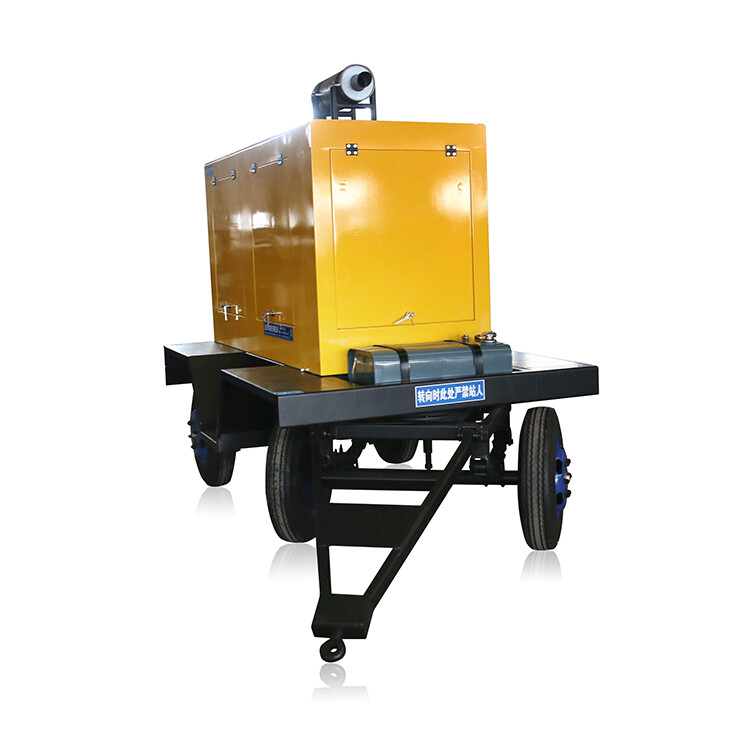
Mobile Generator Sets
Selecting the Right Mobile Generator Set for Your Needs
Choosing the appropriate mobile generator set for specific field operations is crucial to ensuring efficiency, reliability, and cost-effectiveness. The selection process involves evaluating a range of factors, from power requirements to environmental conditions, to ensure the generator set meets the operational demands it will face.
Criteria for Choosing the Most Suitable Mobile Generator Set
- Power Requirements: Assess the total power needs of your operation, including peak and continuous load demands. This determines the size and capacity of the generator set required.
- Fuel Type and Efficiency: Consider the fuel type (diesel, gasoline, natural gas, or renewable sources) that best suits your operational environment, availability, and sustainability goals. Fuel efficiency also impacts ongoing operational costs.
- Portability and Size: The generator's mobility, weight, and size are critical, especially for operations in remote or hard-to-access locations. Compact, lightweight units with robust wheels or handles enhance portability.
- Environmental Conditions: Evaluate the environmental conditions (such as temperature, altitude, and humidity) the generator will operate in. Certain models are better suited to withstand extreme conditions without performance degradation.
- Noise Levels: For operations in noise-sensitive areas, consider generators with noise reduction features or enclosures to minimize disruption.
A Guide to Evaluating Power Requirements, Environmental Conditions, and Operational Demands
- Conduct a Detailed Power Assessment: List all equipment and devices that the generator will power and calculate their total wattage to determine your power needs.
- Research Fuel Availability and Cost: In remote locations, fuel availability can be a deciding factor. Analyze the logistics and cost implications of fueling the generator set.
- Assess Environmental Impact and Compliance: Choose generator sets that comply with local environmental regulations and contribute to your sustainability targets.
- Consider Future Needs: Select a generator set that not only meets current requirements but also has the capacity to accommodate future expansions or increased power needs.
Selecting the right mobile generator set requires careful consideration of these factors to ensure that the chosen unit effectively supports the specific needs of field operations. The right generator set not only provides reliable and efficient power but also aligns with budgetary constraints and environmental considerations, making it a critical component of successful field operations. By following these guidelines, operators can make informed decisions that optimize performance and sustainability in their projects.
Case Studies: Mobile Generator Sets in Action
Exploring real-world applications of mobile generator sets offers valuable insights into their versatility and impact across various sectors. These case studies illustrate the critical role mobile generators play in ensuring operational continuity, supporting sustainability efforts, and overcoming challenges in remote and demanding environments.
Real-World Examples of How Mobile Generator Sets Have Been Deployed in Various Field Operations
- Emergency Response and Disaster Relief: In the aftermath of natural disasters such as hurricanes and earthquakes, mobile generator sets have been pivotal in restoring power to affected communities, hospitals, and emergency services, facilitating rescue and recovery operations.
- Construction and Infrastructure Projects: Mobile generators provide essential power for tools, lighting, and equipment in construction sites, especially in areas lacking access to the grid or during the early phases of development when permanent power solutions are not yet available.
- Outdoor Events and Festivals: From music festivals to sporting events, mobile generator sets ensure reliable power supply for sound systems, lighting, and vendor stalls, contributing to the success and safety of large-scale outdoor gatherings.
Lessons Learned and Best Practices Gleaned from These Case Studies
- Flexibility and Reliability Are Key: The ability of mobile generator sets to adapt to varying power needs and environmental conditions is crucial for their effectiveness in field operations.
- Sustainability Efforts Can Be Integrated: The use of hybrid systems that combine diesel generators with renewable energy sources, such as solar panels, has proven effective in reducing the carbon footprint of events and projects.
- Preparation and Maintenance Matter: Regular maintenance and thorough planning, including assessing power needs and preparing for contingencies, are essential for maximizing the reliability and efficiency of mobile generators.
These case studies demonstrate not only the versatility of mobile generator sets but also their potential to support sustainable practices and innovation in power generation. By learning from these real-world applications, industries can better harness the benefits of mobile generators, ensuring they meet their power needs while also considering environmental impact and operational efficiency. The lessons learned highlight the importance of adaptability, sustainability, and preparedness in maximizing the benefits of mobile power solutions.
Emergency Response and Disaster Relief: | In the aftermath of natural disasters such as hurricanes and earthquakes, mobile generator sets have been pivotal in restoring power to affected communities, hospitals, and emergency services, facilitating rescue and recovery operations. |
Construction and Infrastructure Projects: | Mobile generators provide essential power for tools, lighting, and equipment in construction sites, especially in areas lacking access to the grid or during the early phases of development when permanent power solutions are not yet available. |
Outdoor Events and Festivals: | From music festivals to sporting events, mobile generator sets ensure reliable power supply for sound systems, lighting, and vendor stalls, contributing to the success and safety of large-scale outdoor gatherings. |
Conclusion: The Future of Field Operations Powered by Mobile Generator Sets
The evolution of mobile generator sets is a testament to the relentless pursuit of efficiency, sustainability, and adaptability in power generation for field operations. As we've explored the innovations, challenges, and trends shaping this landscape, it's clear that mobile generators are more than just a source of power; they are a critical component in the operational success and environmental stewardship of diverse industries.
The integration of renewable energy sources, advancements in fuel efficiency, and the adoption of smart technologies are not just trends but signals of a significant shift towards more responsible and effective power generation. The future of field operations will increasingly rely on mobile generator sets that are not only capable of meeting the demands of remote and challenging environments but also aligned with global sustainability goals.
As industries continue to evolve, the importance of innovation and sustainability in the development of mobile power solutions cannot be overstated. The journey towards integrating renewable energy, enhancing safety protocols, navigating regulatory landscapes, and optimizing operational costs is complex. Yet, it is a path that leads to a future where field operations are powered by efficient, reliable, and environmentally friendly mobile generator sets.
The ongoing commitment to research, development, and collaboration among manufacturers, regulatory bodies, and end-users will ensure that mobile generator sets remain at the forefront of supporting field operations. By embracing the advancements and trends outlined in this discussion, industries can look forward to a future where power generation is not just about meeting immediate needs but about contributing to a more sustainable and efficient world.
Common Questions About Mobile Generator Sets
1.What are mobile generator sets?
Mobile generator sets are portable units designed to provide electricity in locations without access to the power grid or where additional power is needed temporarily. They are commonly used in field operations, construction sites, outdoor events, and emergency or backup situations.
2.How do mobile generator sets work?
Mobile generator sets convert mechanical energy, usually from an internal combustion engine fueled by diesel, gasoline, natural gas, or biofuel, into electrical power. This process involves an engine driving an alternator, which produces electricity.
3.What are the key features to look for in a mobile generator set?
When selecting a mobile generator set, consider factors such as:
- Fuel type and efficiency: Depending on your access to fuel and environmental considerations.
- Power output: Matched to your specific power needs.
- Portability: Ease of movement and installation at the operation site.
- Noise level: Especially important in residential areas or public events.
- Durability and reliability: For consistent operation in various conditions.
4.Can mobile generator sets be used for residential purposes?
Yes, mobile generator sets can be used for residential purposes, especially as a backup power source during outages. It's important to choose a generator with appropriate power output for your home's needs and to follow safety guidelines for operation and ventilation.
5.How do I maintain a mobile generator set?
Regular maintenance of a mobile generator set includes:
- Checking and changing the oil and filters.
- Inspecting and cleaning the air filter.
- Testing the battery and ensuring connections are tight and corrosion-free.
- Running the generator periodically to ensure it's ready for use.
- Following the manufacturer’s maintenance schedule for more specific tasks.
6.What are the environmental impacts of using mobile generator sets?
The environmental impact mainly comes from the emissions produced by burning fuel, which can include carbon dioxide, nitrogen oxides, and particulate matter. Choosing newer models with improved emission controls, considering alternative fuels, or integrating renewable energy sources can help mitigate these impacts.
7.How can I reduce the noise from my mobile generator set?
Reducing noise can be achieved by:
- Selecting a generator designed with noise reduction features such as mufflers or sound-dampening enclosures.
- Placing the generator as far as possible from living or working areas.
- Using barriers or sound-deflecting panels to block noise from reaching sensitive areas.
These FAQs offer a starting point for understanding mobile generator sets. Whether for industrial, commercial, or residential use, choosing the right generator involves considering your specific power needs, operational environment, and sustainability goals.
Reference sources:
1.Scholarly Articles and Journals
- IEEE Xplore Digital Library: A comprehensive source for articles on electrical engineering, including generator technology. https://ieeexplore.ieee.org/
- ScienceDirect: Offers access to a wide range of scientific and technical research, with in-depth studies on power systems and generator technology. https://www.sciencedirect.com/
2.Technical Manuals and Product Specifications
- Manufacturers’ Websites: Major manufacturers like Caterpillar, Cummins, and Generac provide detailed technical specifications, user manuals, and maintenance guides for their generator sets.
3.Industry Reports and Market Analyses
- MarketsandMarkets: Features market research reports on the generator sector, offering insights into trends, size, and growth. https://www.marketsandmarkets.com/
- Statista: Provides statistics and business data on a wide array of industries, including energy and power generation. https://www.statista.com/
4.Standards and Regulations
- International Electrotechnical Commission (IEC): Publishes international standards for all electrical, electronic, and related technologies. https://www.iec.ch/
- Environmental Protection Agency (EPA): For regulations related to emissions from diesel generators in the U.S. https://www.epa.gov/