



Powering Through Uncertainty: The Essential Role of Emergency Generator Sets in Modern Society
In today’s rapidly evolving world, where the unexpected seems to be the only constant, the significance of an emergency generator set cannot be overstated. This essential piece of equipment serves as a beacon of light during power outages, natural disasters, and other unforeseen events, providing not only electricity but also a sense of security and continuity.
Understanding the Basics
An emergency generator set, often simply called a generator, is a device that converts mechanical energy into electrical power for use in an external circuit. This transformation is achieved through the internal combustion of fuel, which powers a motor attached to an alternator that produces electricity. The beauty of an emergency generator set lies in its ability to operate independently of the power grid, making it an invaluable asset during times of emergency when conventional power sources fail.
Importance in Today’s World
The relevance of emergency generator sets has grown exponentially in recent years. According to the U.S. Department of Energy, power outages cost the American economy up to $150 billion annually, highlighting the critical need for backup power solutions. Dr. Robert Hartwig, an economist at the University of South Carolina, underscores this point, stating, “As our reliance on technology increases, so does our vulnerability to power disruptions. Emergency generator sets offer a reliable solution to this modern-day dilemma, ensuring businesses, hospitals, and homes remain operational when it matters most.”
In essence, emergency generator sets are not just about keeping the lights on; they are about preserving normalcy in the face of adversity, protecting assets, and saving lives. Their importance transcends convenience, touching on elements of safety, security, and resilience. As we continue to navigate a world filled with uncertainties, the role of emergency generator sets in ensuring continuity cannot be underestimated.
Types of Emergency Generator Sets
The realm of emergency generator sets is diverse, offering various options to meet the distinct needs of users. Understanding the differences between these types can help in selecting the right generator for specific requirements, ensuring effective and efficient backup power.

Portable vs. Standby Generators
Portable Generators
Portable generators are lightweight, versatile, and ideal for temporary situations or smaller scale power needs. They can be easily moved from one location to another, making them perfect for camping trips, outdoor events, or as a backup for specific appliances. Despite their convenience, portable generators typically have lower power output compared to their standby counterparts and require manual operation to start and refuel.
Standby Generators
Standby generators, on the other hand, are permanent fixtures designed to automatically power on during an outage. Installed outside the home or commercial building, these units are directly connected to the electrical panel and fuel source, allowing for an immediate response to power interruptions. Standby generators can power an entire property and are ideal for locations prone to long-term outages. They represent a more robust solution for emergency generator set needs, but come with a higher initial investment.
Backup Power Solutions
In the modern world, the reliance on continuous and stable power supply has never been more critical. From residential homes to large-scale commercial operations, the need for backup power solutions is paramount to ensure continuity and security against unexpected power outages. The diversity of backup power solutions available today offers flexibility and reliability, catering to the unique needs of each user.
Understanding Backup Power Solutions
Backup power solutions encompass a wide range of systems designed to provide electricity in the event of a main power failure. These solutions include standby generators, portable generators, and inverter generators, among others. Each type offers distinct advantages, from the robustness of stationary systems for commercial use to the portability and convenience for residential emergencies.
The Role of Standby Generators
Standby generators serve as a permanent safeguard for homes and businesses, automatically activating within seconds of a power outage. These generators are often powered by diesel, gasoline, propane, or natural gas, offering a seamless transition to ensure that critical operations continue without interruption.
Fuel Efficiency and Environmental Considerations
Modern advancements have significantly improved the fuel efficiency in generators, with newer models offering cleaner burning and reduced emissions. This not only helps in minimizing operational costs but also aligns with growing environmental sustainability concerns. Renewable energy generators, which harness solar or wind power, represent the frontier of eco-friendly backup power solutions, although they currently supplement rather than replace traditional fuel-based systems.
Importance of an Automatic Transfer Switch (ATS)
An integral component of any comprehensive backup power solution is the Automatic Transfer Switch (ATS). This device detects a power loss and automatically starts the generator, ensuring an uninterrupted power supply. The ATS is crucial for both residential backup power and commercial power backup systems, providing peace of mind and continuity of operations.
Planning for Power Outages
Power outage preparation is not just about having the right equipment; it's about understanding your power needs. Assessing the load capacity and power output required to support essential functions during an outage is the first step in choosing the appropriate backup power solution. This involves calculating the total wattage of critical appliances and systems, ensuring the chosen generator can handle the load efficiently.
Emphasizing Maintenance and Safety
Regular generator maintenance and safety practices are non-negotiable to ensure the longevity and safe operation of backup power systems. Routine checks, adherence to manufacturer's service guidelines, and proper installation are fundamental to avoid potential hazards associated with generator use, such as carbon monoxide poisoning or fire risks.
In conclusion, the array of backup power solutions available today offers an unprecedented level of preparedness for power outages. Whether it's for a residential setup requiring occasional power backup or a commercial facility needing uninterrupted operations, there's a solution tailored to every need. By integrating modern technology, prioritizing fuel efficiency, and adhering to safety and maintenance standards, individuals and businesses can navigate the challenges of power disruptions with confidence.
Fuel Types and Their Impact
Emergency generator sets operate on a variety of fuels, including gasoline, diesel, natural gas, and propane. Each fuel type has its advantages and considerations:
- Gasoline is widely available and convenient for portable generators, but it has a shorter shelf life and can be risky to store in large quantities.
- Diesel generators are known for their efficiency and durability. They are often used in larger, industrial settings but require regular maintenance to ensure performance.
- Natural Gas generators connect directly to a utility line, providing an uninterrupted fuel supply. This setup is ideal for standby generators, eliminating the need for manual refueling.
- Propane is another common fuel choice, known for its long shelf life and cleaner burning compared to gasoline and diesel. Propane generators are a popular choice for both portable and standby units.
Choosing the right emergency generator set involves considering the specific needs of the situation, including portability, power output, and fuel availability. By understanding the nuances of each type, individuals and businesses can make informed decisions that ensure reliable backup power when it's needed most.
How Emergency Generator Sets Work
The operation of an emergency generator set might seem complex at first glance, but it's grounded in the fundamental principles of energy conversion. At its core, a generator does not "create" electricity; instead, it converts mechanical energy, supplied by an external fuel source, into electrical power through the process of electromagnetic induction. This section delves into the components and functionality that make this vital conversion possible, as well as the starting mechanisms that bring emergency generators to life during critical moments.
Components and Functionality
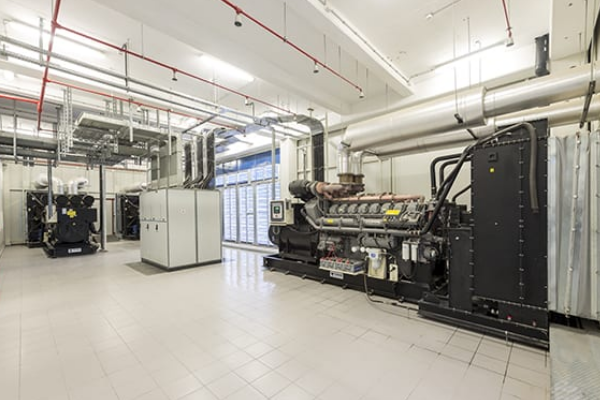
An emergency generator set primarily consists of an engine, an alternator, a fuel system, a voltage regulator, a cooling and exhaust system, a lubrication system, and a battery charger. The engine is the heart of the generator, converting fuel (such as diesel, gasoline, propane, or natural gas) into mechanical energy. This energy is then transferred to the alternator, often through a direct coupling, which converts it into electrical energy via electromagnetic induction.
The alternator contains a stationary component known as the stator and a rotating component known as the rotor. When the engine causes the rotor to spin, it generates a rotating magnetic field, which induces a flow of electricity in the stator's windings. This electricity is then channeled to the generator's outlets and made available for use.
The fuel system ensures a steady supply of fuel to the engine, while the voltage regulator maintains a consistent output voltage. The cooling and exhaust systems keep the generator from overheating and safely vent exhaust gases. The lubrication system minimizes wear and tear on moving parts, and the battery charger keeps the starter battery at an optimal charge level, ensuring the generator can start when needed.
Starting Mechanisms Explained
Emergency generator sets can be started manually or automatically, depending on the type of generator and its intended use:
- Manual Start: Portable generators typically require a manual start, which involves a pull cord or a switch. Users must physically start the generator when power is needed, making this option more suitable for temporary or occasional use.
- Automatic Start: Standby generators are equipped with automatic transfer switches (ATS) that detect power outages. When a loss of power is detected, the ATS signals the generator to start automatically, providing a seamless transition to backup power. This feature is crucial for critical applications where immediate power restoration is essential, such as in hospitals, data centers, and homes with medical equipment.
Understanding how emergency generator sets function not only demystifies the process of electricity generation but also highlights the ingenuity behind these indispensable machines. By converting fuel into mechanical energy, and then into electricity, generators offer a reliable lifeline in times of need, ensuring that power is available when and where it's most crucial.
Selecting the Right Emergency Generator Set
Choosing the appropriate emergency generator set is a pivotal decision that requires careful consideration of various factors. The right generator not only ensures uninterrupted power during outages but also aligns with the specific needs, budget, and constraints of the user. This section will guide you through the key considerations and help you determine the optimal size and power capacity for your needs.
Factors to Consider
When selecting an emergency generator set, several factors come into play, including:
- Power Requirements: Assessing the total wattage of all devices and systems you wish to power is the first step. Essential appliances, lighting, heating/cooling systems, and medical equipment are priorities for most households and facilities.
- Type of Load: Consider whether your power needs are mainly resistive (lights and heaters), inductive (motors and compressors), or a mix of both. Inductive loads require more power at startup, which can influence the size of the generator needed.
- Fuel Availability and Cost: The type of fuel you have easy access to and its cost are critical factors. Fuel efficiency, storage requirements, and the potential need for large quantities during extended outages should also be considered.
- Noise Level: Especially important in residential areas, the noise generated by the unit can be a significant factor. Standby generators often offer sound-proofing options to mitigate this issue.
- Regulations and Safety: Local codes and regulations may dictate specific requirements for generator installation, including placement and fuel storage. Safety features, such as automatic carbon monoxide shutoffs and weatherproofing, are also vital considerations.
Size and Power Capacity
Determining the right size for your emergency generator set involves calculating the total wattage of the appliances and systems you plan to operate. This calculation should include the starting wattage of appliances with motors, as this is typically higher than the running wattage. Oversizing a generator can lead to unnecessary expense and inefficient operation, while undersizing can result in insufficient power supply and potential damage to both the generator and connected devices.
A general rule of thumb is to choose a generator with a capacity about 10-20% higher than your calculated needs to accommodate additional loads and ensure flexibility for future requirements. Consulting with a professional can provide valuable insights and help avoid common pitfalls in selecting the right size generator.
The selection of an emergency generator set is a nuanced process that balances immediate needs with long-term considerations. By carefully evaluating your requirements and the factors outlined above, you can make an informed decision that ensures reliable backup power tailored to your specific situation.
Installation Process of Emergency Generator Sets
Proper installation of an emergency generator set is as crucial as selecting the right model. It involves a series of steps that ensure safety, compliance with local regulations, and optimal performance during emergencies. This section outlines the pre-installation considerations and compares professional versus do-it-yourself (DIY) installation methods, guiding you through making the best choice for your circumstances.
Pre-installation Considerations
Before the actual installation, several preparatory steps must be taken:
- Location: Choose a location that complies with local codes, which usually require generators to be placed a certain distance from the building and away from windows, doors, and vents to prevent carbon monoxide poisoning. The site should be easily accessible for maintenance, well-ventilated, and protected from flooding.
- Foundation: Most standby generators require a concrete pad to be poured as a foundation. This pad keeps the generator stable and prevents it from sinking into the ground.
- Fuel Supply: Ensure that there is an adequate and reliable fuel supply. For natural gas and propane generators, this might involve arranging for a connection to a gas line or installing a propane tank.
- Electrical Wiring: Consider the electrical connection to your home’s power supply. An automatic transfer switch (ATS) is essential for standby generators, as it safely disconnects the house from the grid and connects it to the generator when power fails.
Professional vs. DIY Installation
Professional Installation
For most homeowners and businesses, professional installation by a certified electrician or technician is the recommended route. Professionals ensure that the installation complies with all local building codes and safety standards. They can also handle the complexities of connecting the generator to your home’s electrical system and fuel supply. Although this option involves higher upfront costs, it offers peace of mind knowing that the generator will function as intended during an emergency.
DIY Installation
DIY installation can be an option for portable generators or for individuals with significant electrical and mechanical skills. However, even for the most adept DIYers, certain aspects of the installation, particularly those related to the electrical system and gas connections, may require professional assistance. It's essential to thoroughly understand local codes, obtain necessary permits, and have the installation inspected upon completion if choosing this path.
Regardless of the chosen installation method, the key is to ensure that your emergency generator set is ready to operate safely and efficiently when needed. Professional installation is typically the best choice for those looking for reliability and compliance with safety standards, while DIY installation may suit those with the requisite skills looking to save on costs.
Maintenance and Safety Tips for Emergency Generator Sets
To ensure the longevity and reliable operation of an emergency generator set, regular maintenance and adherence to safety protocols are paramount. This section outlines essential maintenance practices and safety tips to help users keep their generators in peak condition while minimizing risks to users and property.
Routine Maintenance Checklist
- Regular Inspections: Conduct visual inspections for signs of wear, damage, or leaks. Check hoses, belts, and connections.
- Oil and Filter Changes: Like any engine, your generator needs regular oil changes. Follow the manufacturer's guidelines for frequency, which typically depends on usage hours.
- Air Filter Replacement: Clean or replace air filters to ensure efficient operation.
- Fuel System Maintenance: Check fuel levels before use, and ensure fuel is fresh. For gasoline-powered units, adding a stabilizer can prevent fuel degradation.
- Battery Check: Ensure the battery is fully charged and terminals are clean. Battery failure is a common cause of standby generator start failures.
- Coolant Check: For liquid-cooled models, check coolant levels regularly.
- Test Run: Perform a monthly test run to ensure the generator operates correctly and to charge the battery. This practice is particularly crucial for standby generators.
Following a regular maintenance schedule not only extends the lifespan of your emergency generator set but also ensures it's ready to perform when needed.
Safety Precautions and Best Practices
- Read the Manual: Familiarize yourself with your generator’s manual. It contains specific safety warnings and maintenance guidelines.
- Operate Outdoors: Never run a generator indoors or in enclosed spaces. Generators produce carbon monoxide, which is deadly.
- Use Carbon Monoxide Detectors: Install battery-operated or battery-backup carbon monoxide detectors in your home, especially if you use a generator during power outages.
- Electrical Safety: Never plug a generator directly into a household outlet. This practice, known as backfeeding, is hazardous and illegal. Instead, use a heavy-duty, outdoor-rated extension cord to connect appliances to the generator, or have a transfer switch installed by a professional.
- Fuel Safety: Store fuel in approved containers, away from living spaces and fuel-burning appliances. Always let the generator cool down before refueling to avoid fire hazards.
- Keep Dry: Operate the generator on a dry surface under an open, canopy-like structure. Use dry hands to operate the generator to avoid electrocution.
Emergency generator sets are invaluable during power outages, providing energy independence and peace of mind. However, their benefits are maximized when users adhere to maintenance schedules and prioritize safety. By following these guidelines, you can ensure your generator is a safe and reliable source of power for years to come.
Advancements in Emergency Generator Set Technology
The technology behind emergency generator sets has seen significant advancements in recent years, driven by the increasing demand for reliable backup power solutions and the push for more environmentally friendly options. Innovations in generator design, fuel efficiency, and smart features are making these essential tools more efficient, versatile, and easier to use than ever before.
Innovations and Improvements
One of the key advancements in emergency generator set technology is the development of inverter generators. These generators are capable of producing cleaner power (pure sine wave electricity) that is ideal for sensitive electronic devices. Inverter generators adjust the engine speed to match the load, which significantly improves fuel efficiency and reduces noise levels.
Another area of innovation is the integration of alternative fuels. While diesel and gasoline have traditionally dominated the generator market, there's a growing emphasis on natural gas and propane-powered generators. These fuels burn cleaner, reducing emissions and the generator's environmental impact. Furthermore, dual-fuel and tri-fuel generators offer the flexibility to switch between different types of fuel based on availability and cost.
The Future of Backup Power
Looking forward, the future of emergency generator sets appears to be moving towards even greater integration of renewable energy sources. Solar-powered generators and hybrid models, which combine solar panels with traditional fuel engines, are gaining traction. These technologies not only lessen the environmental impact but also offer the possibility of unlimited fuel supply, drawing energy from the sun.
Additionally, smart technology is being incorporated into generators, allowing for remote monitoring and control. This capability enables users to start or stop their generator, check fuel levels, and receive maintenance alerts from their smartphones or computers. Such features enhance the user experience, making generators more convenient and user-friendly.
The advancements in emergency generator set technology are not just about making these machines more efficient or environmentally friendly; they are also about ensuring that power is available when and where it's needed most. As we continue to face challenges from natural disasters and power outages, these innovations offer hope for more resilient and reliable backup power solutions.
The evolution of generator technology reflects a broader trend towards sustainability and efficiency in energy production. As these advancements continue, emergency generator sets will play an even more critical role in providing a secure and dependable power supply, ensuring that we can keep the lights on, even in the face of adversity.
Cost Analysis of Owning an Emergency Generator Set
Investing in an emergency generator set is a significant decision that involves evaluating not only the initial purchase price but also the long-term costs associated with ownership. This analysis aims to provide a comprehensive overview of the financial considerations, including the benefits of having a reliable backup power source versus the potential expenses.
Initial Investment vs. Long-term Benefits
The upfront cost of an emergency generator set can vary widely depending on the type (portable or standby), size, brand, and features. Portable generators typically range from a few hundred to a few thousand dollars, making them an affordable option for temporary power needs or small-scale applications. On the other hand, standby generators, which offer automatic operation and the capacity to power an entire home or business, can cost anywhere from $2,000 to $20,000, not including installation.
While the initial investment might seem steep, especially for high-capacity standby generators, it's important to consider the long-term benefits. A reliable emergency generator set can:
- Prevent food spoilage during extended power outages, saving hundreds of dollars in groceries.
- Allow businesses to continue operations, avoiding revenue loss.
- Protect against home flooding by ensuring sump pumps remain operational.
- Maintain comfortable living conditions, preventing hotel or relocation expenses.
Reducing Operating Costs
Operating costs, including fuel consumption, maintenance, and repairs, are also crucial components of the overall cost analysis. Here are some tips for minimizing these expenses:
- Choose the Right Size: Over-sizing a generator leads to inefficient fuel use and higher operational costs. Calculating your power needs accurately can help avoid unnecessary expenses.
- Regular Maintenance: Adhering to a routine maintenance schedule can prevent costly repairs and extend the life of your generator.
- Fuel Choice: The type of fuel your generator uses affects running costs. Diesel generators, for example, are often more fuel-efficient than gasoline models. Considering fuel availability and price fluctuations is also important.
- Energy-Efficient Appliances: Reducing your overall power consumption by using energy-efficient appliances can lower the size requirements for your generator, resulting in lower purchase and operating costs.
Ultimately, the decision to purchase an emergency generator set should be informed by a careful analysis of both the initial and ongoing costs versus the financial risks of being without power. For many individuals and businesses, the peace of mind and financial protection offered by a generator far outweigh the expenses, making it a wise investment in preparedness and resilience.
Case Studies: Emergency Generator Sets in Action
The value of an emergency generator set becomes most apparent through real-world applications. Across the globe, businesses, healthcare facilities, and residential homes have experienced firsthand the critical role that backup power plays during unexpected outages. This section highlights a few case studies that illustrate the difference an emergency generator can make in times of need.
Real-world Applications and Success Stories
Healthcare Facilities Maintain Critical Care
During the infamous 2003 blackout that affected the northeastern United States and parts of Canada, many hospitals relied on their emergency generator sets to maintain lifesaving care. One notable example was the Cleveland Clinic in Ohio, which operated seamlessly for the duration of the outage, thanks to its robust backup power system. The clinic's generators ensured that surgeries could continue, incubators remained running, and patient care was uninterrupted, highlighting the indispensable nature of reliable backup power in healthcare settings.
Data Centers Uphold Connectivity
In the digital age, data centers are the backbone of business operations, internet connectivity, and data storage. A data center in Texas experienced a direct hit from a tornado in 2015 but sustained no downtime due to its emergency generators. This resilience allowed businesses that relied on the data center for cloud services and data storage to continue operations without a hitch, emphasizing the importance of backup power in protecting digital assets.
Residential Homes Overcome Natural Disasters
In the aftermath of Hurricane Sandy in 2012, many residents of the affected areas were left without power for weeks. Homes equipped with emergency generator sets were able to restore some normalcy amid the chaos. These generators provided heating, refrigeration, and lighting, greatly improving living conditions until the power grid was repaired. Personal stories from these homeowners shed light on how a generator can transform a potentially dire situation into a manageable inconvenience.
How They've Made a Difference
These case studies demonstrate the tangible benefits of having an emergency generator set: healthcare facilities can continue to save lives, businesses can operate without costly interruptions, and families can maintain their daily lives during extended power outages. The peace of mind and security offered by emergency generators are invaluable, especially in regions prone to natural disasters or areas with unstable power grids.
Emergency generator sets stand as silent sentinels, ready to spring into action when the unexpected occurs. They not only prevent financial losses and discomfort but also ensure that critical services and functions can continue, showcasing their vital role in modern society.
Emerging questions surrounding emergency generator sets reflect the growing interest and reliance on this crucial equipment for power backup needs. Addressing these inquiries not only broadens understanding but also assists in making informed decisions regarding generator use, maintenance, and safety.
How do emergency generator sets work?
Emergency generator sets convert mechanical energy into electrical power through the process of electromagnetic induction. An internal combustion engine, fueled by diesel, gasoline, propane, or natural gas, drives an alternator that produces electricity. This setup enables them to operate independently of the power grid, providing a reliable power source during outages.
What are the main types of emergency generators?
The two main types of emergency generators are portable and standby generators. Portable generators are compact, can be easily moved, and are suited for temporary power needs or smaller loads. Standby generators, on the other hand, are permanently installed and automatically provide power during an outage, capable of supporting larger loads for extended periods.
What should be considered when choosing an emergency generator set?
Key considerations include power requirements, fuel type, noise levels, and installation and maintenance costs. Assessing the total wattage of appliances and systems you wish to power is crucial. Also, consider the generator’s fuel efficiency, operational noise, and the feasibility of professional installation and regular maintenance.
How often should an emergency generator set be maintained?
Routine maintenance is essential for the reliability of an emergency generator set. It is recommended to conduct visual inspections regularly, change the oil and filters according to the manufacturer's guidelines (usually based on usage hours), check and clean air filters, and test the system monthly to ensure it operates correctly.
Can emergency generator sets be hazardous?
Yes, if not used or maintained properly, emergency generators can pose risks, including carbon monoxide poisoning, fire hazards, and electrical shocks. It’s vital to follow safety guidelines, such as operating the generator outdoors in well-ventilated areas, adhering to fuel storage protocols, and ensuring proper installation to avoid backfeeding electrical hazards.
Are there environmentally friendly options for emergency generators?
Advancements in generator technology have led to more environmentally friendly options, such as models that run on cleaner-burning fuels like natural gas and propane. Furthermore, inverter generators and those incorporating renewable energy sources, such as solar panels, are emerging as sustainable alternatives that minimize environmental impact.
By addressing these frequently asked questions, individuals and organizations can better navigate the complexities of selecting, using, and maintaining an emergency generator set. Ensuring access to reliable backup power not only mitigates the inconveniences of unexpected outages but also enhances safety and resilience in the face of power disruptions.
The Role of Emergency Generator Sets in Ensuring Continuity
In the face of unpredictable power outages and natural disasters, the value of emergency generator sets in maintaining continuity cannot be understated. These powerful devices stand ready to fill the gap when the regular power supply falters, providing a reliable source of electricity to homes, businesses, healthcare facilities, and critical infrastructure. The discussions and insights provided in this article underscore the importance of emergency generators in today’s world, where being prepared for power interruptions is not just prudent but essential.
Emergency generators offer more than just a temporary power solution; they represent peace of mind for those who rely on continuous power for safety, comfort, and operational integrity. From powering life-saving medical equipment in hospitals to ensuring data centers keep the digital world running smoothly, the applications of emergency generators are both vast and critical.
Selecting, installing, and maintaining an emergency generator set requires thoughtful consideration and planning. However, the investment in time and resources is well justified by the benefits of having an uninterrupted power supply during emergencies. As technology advances, the future of emergency generators looks promising, with innovations aimed at making them more efficient, environmentally friendly, and user-friendly.
In conclusion, the role of emergency generator sets in ensuring continuity is indispensable. They are not merely a luxury but a necessity in safeguarding against the uncertainties of power supply and the potential consequences of being left in the dark. As we move forward, the reliance on these emergency power systems is only set to increase, highlighting their critical importance in our lives and communities.