



Industrial power generators, also known as industrial gensets, play a crucial role in providing backup and primary power sources for various sectors including manufacturing, construction, and utilities. These generators are designed to deliver high power output to support the continuous and demanding operations of industrial environments. Unlike residential or small-scale generators, industrial generators are built to withstand heavy usage, harsh conditions, and are available in a wide range of capacities to meet specific power requirements. They ensure operational continuity by providing a reliable power supply during outages, thereby minimizing downtime and potential financial losses.
The technology behind industrial power generators is diverse, encompassing diesel, natural gas, and renewable energy sources to cater to different industrial needs and environmental considerations. Modern industrial generators are also equipped with advanced features such as remote monitoring, control systems, and automatic transfer switches to enhance efficiency, safety, and ease of use. The choice of generator often depends on factors such as the availability of fuel, maintenance capabilities, and regulatory compliance. With the growing emphasis on sustainable operations, the development and adoption of eco-friendly generators that minimize emissions and fuel consumption are on the rise.
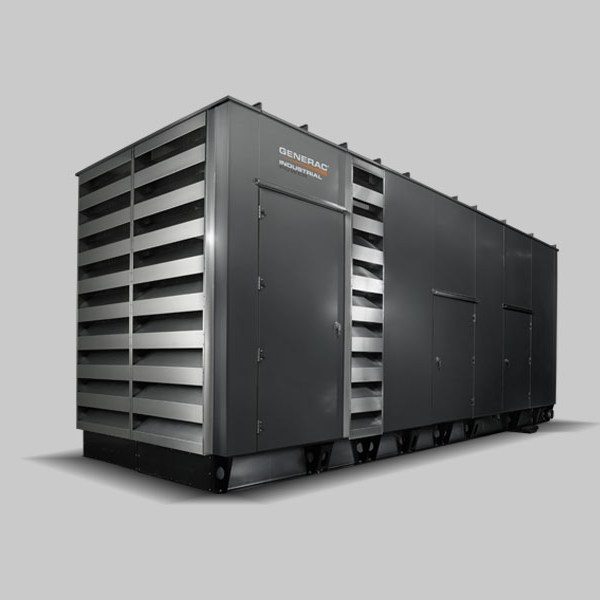
Industrial Power Generators Recommend Products

Industrial Power Generators Detail Introduction
Introduction: Setting the Scene for Industrial Power Generators in Modern Manufacturing
The advent of industrial power generators has undeniably revolutionized the manufacturing sector, offering robust solutions to power needs and significantly enhancing operational efficiency. In the heart of modern manufacturing, these generators serve not just as a backup during power outages but as a cornerstone of continuous production processes. The evolution of industrial power generators reflects a journey towards innovation, sustainability, and efficiency, driven by the relentless pursuit of technological advancements.
The role of power generation in manufacturing cannot be overstated. It is the lifeblood that powers machinery, equipment, and production lines, ensuring that manufacturing processes run smoothly and without interruption. The reliance on industrial power generators has grown exponentially as factories move towards automation and digitalization. This shift requires a constant and reliable power supply to maintain the integrity of operational workflows and to safeguard against data loss, which could be catastrophic in today's fast-paced industrial environments.
The historical evolution of industrial power generators is a testament to human ingenuity and technological progress. From rudimentary steam engines to sophisticated, eco-friendly generators powered by renewable sources, the development of these machines mirrors the advancements in engineering and material sciences. Early generators were primarily focused on generating enough power to meet basic manufacturing needs. However, as industries grew and the complexity of manufacturing processes increased, the demand for more powerful, efficient, and reliable generators became evident.
Technological advancements have been pivotal in shaping the current landscape of industrial power generators. The introduction of features such as remote monitoring, control systems, and automatic transfer switches has not only improved the efficiency of these generators but also their safety and ease of use. Moreover, the integration of renewable energy sources has addressed the growing concerns over environmental sustainability, making industrial power generators a key player in the green revolution of manufacturing.
Industrial Power Generators, particularly those powered by Perkins Genset, are indispensable in today's industrial landscape. They provide the security of knowing that power will always be available, ensuring that businesses can continue to operate efficiently and without interruption, no matter what challenges they may face with their main power supply.
In summary, the journey of industrial power generators from simple engines to complex, intelligent systems illustrates a broader narrative of industrial evolution. These generators have become indispensable to modern manufacturing, not just as a source of power, but as a catalyst for growth, innovation, and sustainability. As we delve deeper into the specifics of their evolution, impact, and the technological innovations driving them forward, it's clear that industrial power generators are indeed changing the game in the future of manufacturing.
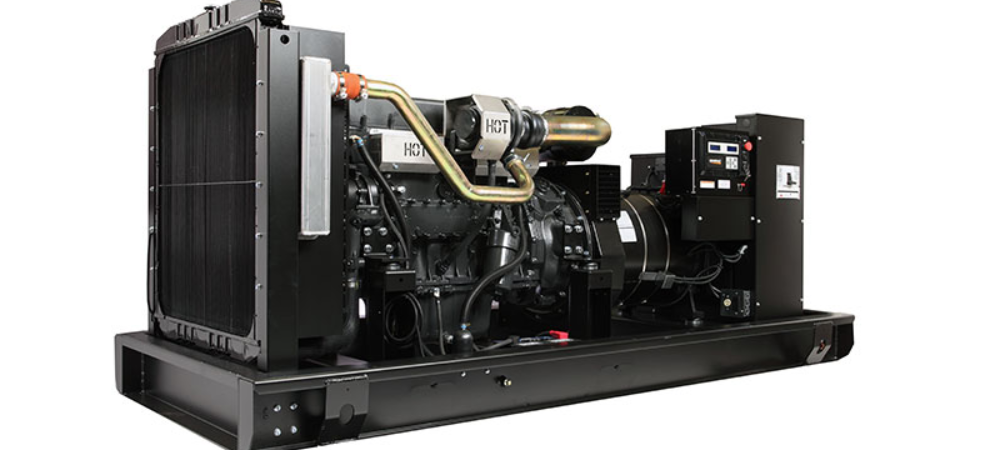
Generac Industrial Power - 250kW Diesel Generator
Image Source:https://www.generac.com/Industrial/products/diesel-generators/configured/250kw-diesel-generator
The Evolution of Industrial Power Generators
The journey of industrial power generators has been a remarkable one, mirroring the evolution of the manufacturing sector itself. From the steam-powered generators of the 19th century to today’s sophisticated models running on a variety of fuels, the development of these powerhouses has been driven by a relentless pursuit of efficiency, reliability, and environmental responsibility.
A Historical Perspective on Generator Technology
The inception of generator technology dates back to Michael Faraday’s discovery of electromagnetic induction in the early 1830s. This groundbreaking discovery laid the foundation for the development of the first dynamo by Hippolyte Pixii, which later evolved into the modern generator. The industrial revolution saw steam engines powering these dynamos, marking the first significant use of generators in manufacturing.
Key Technological Advancements in Industrial Generators
The evolution of industrial power generators has been characterized by several key advancements. The transition from steam to diesel and gas turbines in the 20th century marked a significant leap, offering higher efficiency and lower maintenance costs. The introduction of combined cycle technology, where both gas and steam turbines are used in conjunction to generate power, further enhanced efficiency levels, reaching upwards of 60% in some cases.
One of the most influential figures in the field, Dr. James Irwin, a pioneer in electrical engineering, noted, “The adoption of digital control systems and the integration of renewable energy sources have transformed industrial generators into sophisticated systems that not only provide power but also enhance operational efficiency and sustainability.”
This transition to smarter, more efficient systems is particularly evident in the integration of renewable energy sources. Solar and wind power, once considered too variable and unreliable for industrial use, are now being harnessed effectively thanks to advances in energy storage and grid management technologies.
Moreover, the development of high-efficiency particulate air (HEPA) filters and low-emission technologies has significantly reduced the environmental impact of diesel and gas-powered generators. These advancements reflect a growing recognition of the role that power generation technology plays in both enabling and limiting sustainable industrial practices.
The journey of industrial power generators is far from over. With each technological breakthrough, generators become more integrated into the fabric of manufacturing, not just as sources of power, but as key enablers of a more efficient, sustainable, and resilient industrial sector.
What are the 4 types of generators?
Portable, industrial, backup: different types of generators…
Depending on these applications, various types of generators include portable generators, variable frequency generators, standby generators, industrial generators, and induction generators.
What is the difference between an industrial generator and a commercial generator?
Industrial generators work in the same way as commercial generators, but are usually designed to be more rugged so that they can operate in harsh environments.
How long can an industrial generator run?
While some generator models can run anywhere from 8 to 12 hours or even multiple days, the generator should not be run for weeks or months at a time. Essentially, it depends on the engine structure of the generator, which not only requires fuel, but also regular lubrication and routine maintenance.
What is the service life of an industrial generator?
Industrial generators can last between 20,000 and 40,000 hours, which equates to approximately 20 to 25 years of operation. However, it is worth noting that machinery that is in continuous operation may reach the use mark sooner than machinery that is used only for emergencies.
Understanding the Impact of Industrial Power Generators on Manufacturing Efficiency
The modern manufacturing landscape is unimaginably dependent on reliable and efficient power sources. Industrial power generators stand at the heart of this requirement, not merely as backup power sources but as critical enablers of continuous production processes. [Related Articles:The Indispensable Role of Industrial Power Generators in Ensuring Operational Continuity]Their contribution to operational efficiency is profound, transforming how manufacturers approach production, sustainability, and growth.
How Generators Contribute to Operational Efficiency
Industrial power generators offer a dual promise: ensuring uninterrupted production during power outages and enabling operations in locations where grid power is unreliable or unavailable. This reliability is crucial for industries where even a brief power interruption can result in significant financial losses due to halted production lines, spoiled materials, or missed deadlines. Furthermore, modern generators are capable of quickly adjusting to load changes, ensuring that power supply closely matches demand, thereby enhancing overall energy efficiency.
The efficiency of these generators is not just about their operational performance; it also pertains to fuel consumption. The latest models are designed to optimize fuel efficiency, which is a critical consideration given the fluctuating costs of diesel and gas. This efficiency reduces operational costs and minimizes the environmental footprint of manufacturing activities.
Case Studies: Success Stories of Manufacturing Plants Powered by Advanced Generators
Several success stories highlight the transformative impact of industrial power generators on manufacturing plants. For instance, a textile factory in Bangladesh was able to increase its production by 20% after installing a state-of-the-art generator system. This system not only provided a reliable power supply but also significantly reduced energy costs through its high fuel efficiency and low maintenance requirements.
Another example comes from a food processing plant in the Netherlands that integrated renewable energy-powered generators into its operations. This move not only ensured a constant power supply but also aligned the company with sustainable manufacturing principles. The plant saw a reduction in carbon emissions by 30%, showcasing how modern generators can contribute to environmental sustainability alongside operational efficiency.
These case studies demonstrate the pivotal role of industrial power generators in enhancing manufacturing efficiency. By providing reliable, efficient, and sustainable power solutions, these generators are changing the game for manufacturers worldwide. The stories of these plants underscore a broader trend towards integrating advanced power solutions to meet the dual demands of operational efficiency and environmental responsibility in the manufacturing sector.
The Economic Implications of Adopting Modern Industrial Power Generators
In today's competitive manufacturing landscape, the adoption of modern industrial power generators is not merely a choice but a strategic investment. The economic implications of integrating these advanced power solutions are far-reaching, influencing both immediate operational costs and long-term financial health of manufacturing enterprises.
Cost-Benefit Analysis of Investing in Modern Generators
The upfront cost of acquiring a state-of-the-art industrial generator can be substantial. However, when analyzed through a cost-benefit lens, the investment often justifies itself. Modern generators offer significant improvements in fuel efficiency, operational reliability, and maintenance requirements compared to older models. These improvements translate into direct cost savings for manufacturers, through reduced fuel consumption and lower downtime losses.
A study by the Energy Institute highlighted that "factories equipped with the latest generator technologies reported a 15% reduction in energy costs and a 25% decrease in unplanned maintenance expenses." This statement underscores the tangible economic benefits that come with investing in modern generators.
The Long-term Financial Impact on Manufacturing Operations
The long-term financial implications of adopting modern industrial power generators extend beyond immediate cost savings. Reliability and efficiency contribute to a more predictable operating environment, enabling better financial planning and investment in growth initiatives. Moreover, as regulatory pressures increase and carbon taxes become more common, the lower emissions profile of modern generators can protect against future costs associated with environmental compliance.
Furthermore, the ability to integrate renewable energy sources with traditional generators provides a hedge against fluctuating fuel prices. This integration not only ensures a more stable energy supply but also opens up potential revenue streams through energy buyback schemes and carbon credit trading.
Dr. Ellen Hayes, a renowned economist specializing in industrial sustainability, notes, "The strategic adoption of advanced power generators is a hallmark of forward-thinking manufacturing firms. These companies are not only safeguarding their operations against power disruptions but are also positioning themselves advantageously for future economic and environmental shifts."
In conclusion, the economic rationale for integrating modern industrial power generators into manufacturing operations is compelling. The immediate benefits of reduced operational costs and enhanced reliability are significant, but the long-term strategic advantages—ranging from environmental compliance to energy independence—cannot be overstated. As the global economy continues to evolve, those manufacturers who invest wisely in their power infrastructure will likely find themselves at a competitive advantage.
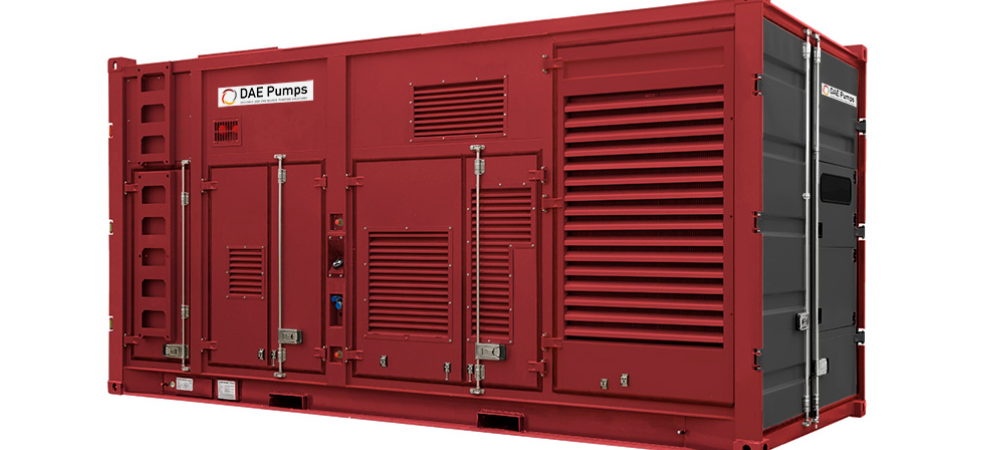
Industrial Power Generators | Backup Generators
Image Source:https://www.daepumps.com/products/accessories/industrial-power-generators/
Sustainable Manufacturing: The Green Revolution of Industrial Power Generators
The narrative of industrial power generators is undergoing a profound transformation, pivoting towards sustainability. As global awareness and regulations around environmental impact intensify, the manufacturing sector is increasingly adopting green practices. Central to this shift is the evolution of industrial generators from traditional fossil-fuel-dependent models to innovative, renewable energy-powered solutions.
Exploring Renewable Energy-Powered Generators
Renewable energy sources like solar, wind, and biomass are revolutionizing how industrial power is generated, offering a cleaner, more sustainable alternative to conventional fuels. These green generators not only significantly reduce greenhouse gas emissions but also provide a long-term solution to the challenges posed by finite fossil fuel reserves and volatile fuel prices.
The implementation of solar photovoltaic (PV) panels and wind turbines in manufacturing facilities is becoming more common, either as a supplementary power source or, in some cases, as the primary power solution. Biomass generators, which utilize organic materials to produce energy, are also gaining traction, especially in industries where waste products can be repurposed into fuel.
The Role of Generators in Reducing the Carbon Footprint of Manufacturing Facilities
Adopting renewable energy-powered generators is a direct path for manufacturers to reduce their carbon footprint and align with global sustainability goals. These generators not only minimize direct emissions from production processes but also contribute to a broader reduction in the industrial sector's overall environmental impact.
Industrial power generators equipped with the latest emissions-reducing technology play a crucial role in this transition. Technologies like Carbon Capture and Storage (CCS) and Selective Catalytic Reduction (SCR) are being integrated into generator systems to further decrease the environmental footprint of manufacturing operations.
Dr. Fiona Murray, an expert in renewable energy technologies, emphasizes the importance of this shift: "Transitioning to renewable energy-powered industrial generators is not just an environmental imperative but also an economic opportunity. As consumers and regulators increasingly demand sustainable practices, manufacturers that lead in green energy adoption will enjoy a competitive edge."
In conclusion, the move towards sustainable manufacturing through the adoption of green industrial power generators is a key trend shaping the future of the industry. This transition not only addresses the urgent need for environmental stewardship but also offers manufacturers the chance to redefine their energy strategies, ensuring resilience, sustainability, and competitiveness in a rapidly changing world.
Innovations in Generator Technology: Towards a Smarter Future
The landscape of industrial power generators is rapidly evolving, driven by technological innovations aimed at enhancing efficiency, reliability, and environmental friendliness. Today's generators are not just power-producing units; they are sophisticated systems equipped with advanced technologies such as the Internet of Things (IoT) and Artificial Intelligence (AI), paving the way for a smarter, more sustainable industrial future.
The Integration of IoT and AI in Industrial Power Generators
The integration of IoT technology in industrial power generators allows for real-time monitoring and data analysis, leading to optimized performance and predictive maintenance. IoT-enabled generators can automatically adjust their operation based on energy demand, environmental conditions, and other variables, significantly improving fuel efficiency and reducing emissions.
AI takes this a step further by analyzing data collected from IoT devices to predict potential failures before they occur, schedule maintenance more effectively, and even optimize power output based on predictive analysis of energy demand patterns. This not only enhances the reliability of power supply but also extends the lifespan of the generator by preventing overuse and undue wear and tear.
Predictive Maintenance and Its Benefits for Manufacturers
Predictive maintenance, enabled by AI and IoT, represents a significant shift from the traditional reactive maintenance model. By anticipating maintenance needs, manufacturers can avoid unexpected downtime, which is often costly in terms of both direct repair costs and lost production time.
"Predictive maintenance transforms the approach to industrial generator management, shifting from a costly and unpredictable 'repair and replace' model to one that is proactive and predictive," says Thomas Reed, a leading expert in industrial maintenance strategies. "This not only saves time and money but also significantly improves operational efficiency and safety."
The benefits of adopting these technological innovations are clear: reduced operational costs, improved energy efficiency, and enhanced production reliability. Moreover, the ability to gather and analyze vast amounts of operational data opens up new avenues for continuous improvement and optimization of manufacturing processes.
In conclusion, the future of industrial power generators is undeniably smart and interconnected. As manufacturers worldwide strive to meet the dual challenges of increasing efficiency and reducing environmental impact, the innovations in generator technology offer a promising path forward. By embracing these advancements, the manufacturing sector can look forward to a future where power generation is not just a necessity but a strategic asset.
The Role of Industrial Power Generators in Ensuring Uninterrupted Production
The essence of manufacturing competitiveness often lies in the ability to maintain uninterrupted production. In this context, industrial power generators play a pivotal role, acting as the backbone of operational reliability for factories worldwide. The assurance of a continuous power supply is not merely a convenience but a critical component of modern manufacturing strategies.
Understanding the Importance of Reliability and Uptime in Manufacturing
In an era where even minor interruptions can lead to significant financial losses and damage to customer relationships, the reliability of power supply becomes paramount. Industrial power generators ensure that manufacturing operations can continue seamlessly, irrespective of external power issues. This reliability is especially crucial in industries such as pharmaceuticals, food processing, and semiconductors, where the cost of downtime can be astronomical.
Strategies for Minimizing Downtime with Reliable Generator Setups
Adopting a proactive approach to power management involves more than just having a generator on site; it requires strategic planning and integration of generators into the broader operational infrastructure. Key strategies include:
- Redundant Systems: Implementing multiple generators that can operate in parallel to provide a fail-safe in case one unit fails.
- Regular Maintenance: Ensuring that generators are regularly serviced and tested to prevent unexpected failures. This includes routine inspections, load testing, and updating control systems.
- Smart Monitoring: Utilizing advanced monitoring systems to track generator performance and predict potential issues before they lead to downtime.
- Customized Solutions: Tailoring generator setups to the specific needs and challenges of the manufacturing operation, considering factors such as load requirements, space constraints, and environmental conditions.
John Anderson, a renowned expert in industrial engineering, emphasizes, "The key to minimizing downtime is not just in choosing the right generator, but in integrating it seamlessly with the operational and emergency procedures of the facility. This holistic approach ensures not only the continuity of power but also the continuity of production."
In conclusion, the role of industrial power generators in ensuring uninterrupted production cannot be overstated. As manufacturers navigate the complexities of the global market, the strategic integration of reliable power solutions stands as a testament to their commitment to quality, efficiency, and resilience. The future of manufacturing, increasingly dependent on uninterrupted operations, will undoubtedly see these power generators as indispensable allies in the quest for sustained success.
Redundant Systems: | Implementing multiple generators that can operate in parallel to provide a fail-safe in case one unit fails. |
Regular Maintenance: | Ensuring that generators are regularly serviced and tested to prevent unexpected failures. This includes routine inspections, load testing, and updating control systems. |
Smart Monitoring: | Utilizing advanced monitoring systems to track generator performance and predict potential issues before they lead to downtime. |
Customized Solutions: | Tailoring generator setups to the specific needs and challenges of the manufacturing operation, considering factors such as load requirements, space constraints, and environmental conditions. |
Safety First: Adhering to Regulations and Standards for Industrial Generators
Ensuring the safety of industrial power generators is paramount, not just for the operational integrity of manufacturing facilities, but also for the well-being of the workforce and the environment. Compliance with stringent regulations and standards is a critical aspect of generator management, reflecting a commitment to safety, efficiency, and sustainability.
Overview of Safety Regulations Governing Industrial Power Generators
Safety standards for industrial power generators cover a broad spectrum, from installation and operation to maintenance and fuel handling. These standards are set by various national and international bodies, including the Occupational Safety and Health Administration (OSHA) in the United States, the European Union's Machinery Directive, and the International Electrotechnical Commission (IEC). They are designed to mitigate risks such as fire, explosion, electrical shock, and environmental pollution.
Best Practices for Safe Operation and Maintenance
Adherence to safety standards requires a comprehensive approach that encompasses:
- Proper Installation: Ensuring generators are installed by qualified professionals, following manufacturer guidelines and local codes.
- Regular Maintenance: Conducting routine inspections and maintenance to identify and rectify potential hazards like fuel leaks, worn-out parts, and electrical faults.
- Safety Training: Providing ongoing training for staff on the safe operation, maintenance, and emergency procedures related to generators.
- Emergency Preparedness: Developing and implementing emergency response plans that include procedures for dealing with power outages, generator malfunctions, and fuel spills.
James Li, a safety consultant specializing in industrial environments, underscores the importance of these practices: "The safety of an industrial generator extends beyond the machine itself. It encompasses the entire ecosystem of operation, maintenance, and emergency response. A well-maintained generator is not just a reliable source of power; it's a cornerstone of a safe manufacturing facility."
The Critical Role of Safety in the Future of Power Generation
As technology advances, new safety challenges emerge, particularly with the integration of digital controls, renewable energy sources, and battery storage systems. The future of generator safety will likely involve more sophisticated monitoring systems, advanced safety features, and stricter regulations to address these evolving risks.
In conclusion, the adherence to safety regulations and the implementation of best practices are non-negotiable aspects of managing industrial power generators. As manufacturing facilities continue to rely on these power sources, ensuring their safe operation is essential for protecting people, property, and the planet. Embracing a culture of safety and compliance not only mitigates risks but also enhances the overall efficiency and sustainability of industrial operations.
The Future is Here: Next-Generation Industrial Power Generators
As we delve into the future of manufacturing, the evolution of industrial power generators stands out as a beacon of innovation, pushing the boundaries of efficiency, sustainability, and integration. The next generation of generators is set to redefine the role of power in industrial applications, embracing emerging trends and technologies that promise to elevate manufacturing capabilities to new heights.
Emerging Trends in Generator Technology
The forefront of generator technology is marked by a few key trends:
- Renewable Energy Integration: The future sees a greater incorporation of renewable energy sources, such as solar and wind, directly into industrial power generators. This shift not only reduces dependence on fossil fuels but also aligns with global sustainability goals.
- Hybrid Systems: Hybrid generators, combining diesel engines with battery storage or renewable energy sources, offer flexibility, reduced emissions, and cost savings. These systems can automatically switch between power sources based on availability and demand, optimizing efficiency.
- Digitalization and Smart Features: Advanced digital features, including IoT connectivity, AI-based predictive maintenance, and smart grid compatibility, are becoming standard. These features enhance the operational efficiency and reliability of generators, providing real-time data and analytics for better decision-making.
Anticipated Advancements and Their Potential Impact on Manufacturing
The anticipated advancements in generator technology are not just incremental improvements but are expected to bring about a paradigm shift in how energy is produced, managed, and utilized in industrial settings. Key advancements include:
- Increased Efficiency: Next-generation generators are expected to achieve higher fuel efficiency and lower emissions, thanks to advanced combustion technologies and exhaust treatment systems.
- Greater Reliability: With the integration of predictive analytics, generators will preemptively address maintenance issues, drastically reducing downtime and extending service life.
- Enhanced Integration: The ability to seamlessly integrate with renewable energy sources and smart grids will allow manufacturers to adopt a more flexible and sustainable approach to energy management.
Dr. Emily Zhang, a leading expert in energy systems engineering, reflects on the impact of these advancements: "The next generation of industrial generators represents a significant leap forward in our quest for sustainable, reliable, and efficient power solutions. They are not merely machines but enablers of a more resilient and environmentally responsible industrial ecosystem."
In conclusion, the future of industrial power generators is characterized by innovation, sustainability, and smart technology. As these advancements materialize, they promise to transform the manufacturing sector, offering solutions that are not only more efficient and reliable but also more aligned with the principles of environmental stewardship and economic sustainability. The future of manufacturing power is bright, powered by generators that are as smart and adaptable as the industries they serve.
Renewable Energy Integration: | The future sees a greater incorporation of renewable energy sources, such as solar and wind, directly into industrial power generators. This shift not only reduces dependence on fossil fuels but also aligns with global sustainability goals. |
Hybrid Systems: | Hybrid generators, combining diesel engines with battery storage or renewable energy sources, offer flexibility, reduced emissions, and cost savings. These systems can automatically switch between power sources based on availability and demand, optimizing efficiency. |
Digitalization and Smart Features: | Advanced digital features, including IoT connectivity, AI-based predictive maintenance, and smart grid compatibility, are becoming standard. These features enhance the operational efficiency and reliability of generators, providing real-time data and analytics for better decision-making. |
Navigating the Global Industrial Power Generator Market
The global industrial power generators market is a dynamic landscape shaped by technological innovations, evolving regulatory environments, and shifting economic trends. Understanding this market is crucial for manufacturers seeking to secure reliable, efficient, and compliant power solutions that align with their operational needs and sustainability goals.
Analysis of the Current Market Landscape for Industrial Generators
The industrial power generators market is characterized by its diversity, with options ranging from traditional diesel generators to cutting-edge hybrid and renewable energy-powered systems. Factors such as fuel efficiency, emission standards, and integration capabilities with smart technologies are increasingly influencing purchasing decisions.
The market is also influenced by geopolitical and economic factors, such as fuel price fluctuations, trade policies, and regional regulations regarding emissions and noise pollution. These factors can affect both the availability and cost of generators in different parts of the world.
Key Players and Products Shaping the Future of Generator Technology
Several leading companies are at the forefront of innovation in the generator market, including Caterpillar, General Electric, and Siemens. These companies are not just focusing on improving the technical specifications of their generators but are also investing in smart features, such as IoT connectivity and AI-driven predictive maintenance, to meet the evolving needs of the industrial sector.
Emerging players in the renewable energy sector, such as Tesla and Vestas, are also making significant inroads into the generator market with solar-powered and wind-powered generator systems. These products are particularly appealing to manufacturers looking to reduce their carbon footprint and comply with stringent environmental regulations.
Navigating Market Challenges and Opportunities
Manufacturers navigating the industrial power generators market face several challenges, including the need to balance cost with performance and compliance with local and international regulations. However, these challenges also present opportunities for innovation and differentiation, especially for companies willing to invest in sustainable and smart power solutions.
The market's future will likely be shaped by further advancements in generator efficiency, environmental performance, and integration with renewable energy sources. As noted by industry analyst Dr. Marcus Choi, "The industrial generator market is at a crossroads, with sustainability and technology being key drivers of future growth. Manufacturers that can adapt to these trends will not only secure their energy needs but also gain a competitive edge in an increasingly eco-conscious global marketplace."
In conclusion, the industrial power generators market is a complex but fertile ground for manufacturers aiming to enhance their operational efficiency and sustainability. By staying informed about market trends, technological advancements, and regulatory changes, manufacturers can make strategic decisions that ensure their operations are powered effectively, efficiently, and responsibly.
Custom Solutions: Tailoring Industrial Power Generators to Manufacturing Needs
In the realm of industrial power generators, one size does not fit all. The diverse requirements of modern manufacturing facilities call for customized power solutions that can address specific operational challenges, environmental conditions, and energy demands. Tailoring generators to fit these unique needs is not just a matter of convenience but a strategic imperative for optimizing efficiency, reliability, and sustainability.
Importance of Customization in Generator Technology
Customization allows manufacturers to achieve optimal performance from their industrial power generators, ensuring that the power supply aligns perfectly with their operational needs. Factors such as the size of the facility, the nature of the manufacturing processes, and the geographical location play a crucial role in determining the specifications of the ideal generator setup.
- Specific Power Requirements: Manufacturing processes with variable power demands benefit from generators capable of modulating output efficiently, minimizing waste and reducing fuel costs.
- Environmental Adaptability: Generators customized for harsh environments, such as extreme temperatures or high altitudes, ensure reliable operation under challenging conditions.
- Integration with Existing Systems: Tailored generators can be designed to integrate seamlessly with existing power management systems and renewable energy sources, enhancing overall energy efficiency.
How Manufacturers Are Working with Providers to Develop Bespoke Solutions
The development of bespoke industrial power generator solutions is a collaborative process, involving close communication between manufacturers and generator providers. This collaboration often begins with a comprehensive needs assessment, followed by the design and implementation of a customized power solution. Key steps in this process include:
- Site Assessments: Detailed evaluations of the manufacturing facility to understand the specific power needs, environmental challenges, and space constraints.
- Custom Design and Engineering: Leveraging advanced engineering tools and simulations to design a generator system that meets the unique requirements of the manufacturer.
- Integration and Optimization: Ensuring the customized generator works in harmony with existing power systems and processes for maximum efficiency and reliability.
Mark Thompson, a senior engineer specializing in power systems, highlights the benefits of this approach: "Customized generator solutions allow manufacturers to not just meet their current power needs but also anticipate future demands. This foresight ensures that their power systems can evolve alongside their business, providing a sustainable competitive advantage."
In conclusion, the trend towards customization in industrial power generators reflects the broader move towards more adaptable, efficient, and sustainable manufacturing practices. By developing power solutions that are precisely tailored to their specific needs, manufacturers can achieve greater operational efficiencies, reduce environmental impact, and ensure the resilience of their operations against power disruptions. The future of industrial power is not just about generating energy but doing so in a way that is smart, sustainable, and perfectly aligned with the unique needs of each manufacturing facility.
The Economic Advantage: Industrial Power Generators as a Competitive Edge
In the fiercely competitive landscape of modern manufacturing, industrial power generators represent more than just a utility; they are a strategic asset. The economic advantage gained from deploying advanced generator technology can be the difference between leading the market and playing catch-up. This advantage stems from improved efficiency, reliability, and sustainability, which collectively contribute to lower operational costs and enhanced production capabilities.
Case Studies: Where Generator Efficiency Has Led to a Competitive Advantage
Numerous manufacturers worldwide have leveraged the efficiency of industrial power generators to carve out a competitive edge. For instance, a leading automotive parts manufacturer reported a 30% reduction in energy costs after upgrading to high-efficiency generators, directly impacting its bottom line and enabling price competitiveness in a tight market.
Another case involves a textile manufacturer that utilized generators capable of harnessing renewable energy, significantly lowering its carbon footprint and energy costs. This green initiative not only reduced operational expenses but also attracted new clients looking to partner with environmentally responsible suppliers, expanding the company's market reach.
The Strategic Value of Investing in High-Quality Power Generation
The decision to invest in high-quality industrial power generators is strategic, affecting multiple facets of the manufacturing operation:
- Reduced Downtime: High-reliability generators minimize production interruptions, ensuring continuous output and timely order fulfillment.
- Energy Efficiency: Advanced generators that optimize fuel consumption can significantly lower energy costs, a critical factor in industries with thin margins.
- Sustainability: As global emphasis on sustainability grows, generators with lower emissions not only comply with regulatory requirements but also appeal to environmentally conscious consumers and partners.
Elizabeth Wong, a strategic consultant in the manufacturing sector, notes, "The right generator can transform an operational cost into a competitive advantage. In today's market, where efficiency, reliability, and sustainability are key drivers of success, the choice of power generation technology can set a company apart."
In conclusion, industrial power generators are pivotal in shaping the economic landscape of manufacturing. By focusing on the efficiency, reliability, and environmental impact of their power generation solutions, manufacturers can not only reduce their operational costs but also enhance their market position. As the industry moves forward, the role of generators in providing a competitive edge will only grow, making them an indispensable part of the manufacturing strategy.
Addressing the Skills Gap: Training for the Next Generation of Generator Technicians
The advancement of industrial power generators has brought about a technological revolution in the way power is generated and managed within the industrial sector. However, this rapid progression also highlights a critical challenge: the growing skills gap in the workforce, particularly among technicians responsible for the maintenance and operation of these sophisticated machines. Addressing this gap through targeted training programs is essential for ensuring the continued efficiency and reliability of generator operations.
The Need for Skilled Personnel in the Maintenance and Operation of Modern Generators
As industrial power generators become more complex, integrating advanced technologies like IoT, AI for predictive maintenance, and renewable energy sources, the demand for skilled technicians who can navigate these systems increases. The expertise required goes beyond traditional mechanical maintenance, encompassing electrical engineering, data analysis, and even software programming.
Educational Initiatives and Training Programs
To bridge this skills gap, educational institutions, industry associations, and manufacturing companies are developing specialized training programs. These programs are designed to equip new and existing technicians with the necessary skills to operate and maintain modern generators effectively. Key components of these training programs include:
- Hands-on Training: Practical experience with the latest generator models and technologies is essential for understanding the complexities of modern power systems.
- Digital Literacy: Courses on software used for monitoring and managing generators, as well as training in data analysis and cybersecurity, are becoming increasingly important.
- Renewable Energy Integration: As the industry moves towards greener solutions, understanding how to integrate and manage renewable energy sources with traditional generators is crucial.
- Safety and Compliance: With regulations around emissions and safety becoming stricter, technicians must be well-versed in compliance standards and best practices.
Dr. Lisa Nguyen, an expert in workforce development and renewable energy, stresses the importance of these initiatives: "As we transition to more advanced and sustainable forms of power generation, the need for skilled technicians has never been greater. Investing in education and training is not just about filling jobs; it's about empowering a new generation of workers to drive innovation and sustainability in the industry."
In conclusion, the role of industrial power generators in the manufacturing sector is evolving, necessitating a workforce that is equally adept at managing these changes. By addressing the skills gap through comprehensive training programs, the industry can ensure that it has the skilled personnel needed to maintain and enhance the reliability, efficiency, and sustainability of its power generation capabilities. This investment in human capital is as crucial as the investment in the generators themselves, forming the foundation of a resilient and forward-looking manufacturing sector.
The Challenge of Integration: Industrial Power Generators in Smart Factories
The advent of smart factories has revolutionized the manufacturing landscape, introducing a level of automation and data exchange previously unimaginable. In this context, the integration of industrial power generators into the smart factory ecosystem presents both significant opportunities and formidable challenges. The seamless integration of these generators is crucial for optimizing energy efficiency, ensuring reliability, and supporting the dynamic demands of smart manufacturing processes.
The Role of Generators in the Smart Factory Ecosystem
Industrial power generators in smart factories are not just backup power sources; they are integral components of a comprehensive energy management system. These generators must be capable of communicating with other elements of the smart factory, adjusting output in real-time to match demand, and participating in predictive maintenance schedules to minimize downtime.
- Real-Time Energy Management: Smart generators can contribute to a factory's energy balance, providing power during peak demand periods or when renewable energy sources are insufficient.
- Predictive Maintenance: By integrating generators with the factory's IoT platform, maintenance can be scheduled based on actual usage and condition data, rather than on a fixed schedule, enhancing efficiency and reducing unnecessary downtime.
Challenges and Solutions for Integrating Generators with Other Smart Technologies
Integrating industrial power generators with smart factory technologies involves overcoming several technical and logistical challenges:
- Compatibility: Ensuring that generators are compatible with the IoT platforms and protocols used in the factory. This may require retrofitting older generators with smart capabilities or investing in new, IoT-ready models.
- Data Security: Protecting the data exchanged between generators and the factory's network from cyber threats. Robust security protocols and encryption must be implemented to safeguard this critical infrastructure.
- Energy Optimization: Developing algorithms that can analyze data from the factory and the power grid to optimize generator performance, reducing fuel consumption and emissions while ensuring that energy supply meets demand.
Dr. Laura Chen, an expert in industrial automation, emphasizes the importance of these efforts: "The successful integration of industrial generators into smart factories is a key enabler for achieving the full potential of Industry 4.0. It requires not only technological innovation but also a holistic approach to energy management, data security, and operational efficiency."
Conclusion
The challenge of integrating industrial power generators into smart factories is significant, but the benefits of successful integration are profound. By ensuring that generators can communicate effectively with other components of the smart factory, manufacturers can enhance energy efficiency, improve reliability, and support the agile, data-driven operations that characterize modern manufacturing. As the industry continues to evolve towards fully integrated, intelligent production environments, the role of generators will be pivotal in powering the future of manufacturing.
Compatibility: | Ensuring that generators are compatible with the IoT platforms and protocols used in the factory. This may require retrofitting older generators with smart capabilities or investing in new, IoTready models. |
Data Security: | Protecting the data exchanged between generators and the factory's network from cyber threats. Robust security protocols and encryption must be implemented to safeguard this critical infrastructure. |
Energy Optimization: | Developing algorithms that can analyze data from the factory and the power grid to optimize generator performance, reducing fuel consumption and emissions while ensuring that energy supply meets demand. |
Conclusion: Powering the Future of Manufacturing
The exploration of industrial power generators and their evolving role in modern manufacturing landscapes reveals a clear trajectory towards innovation, sustainability, and integration. As we have navigated through the nuances of generator technology and its application in the manufacturing sector, several key themes have emerged, underscoring the critical role these power solutions play in the industry's future.
Industrial power generators have transitioned from being mere backup power sources to becoming central components of a strategic approach to energy management in manufacturing. This shift is driven by the need for uninterrupted production, operational efficiency, and the global mandate for sustainability. The advancements in generator technology, including the integration of renewable energy sources, smart technologies, and custom power solutions, reflect a broader trend towards more adaptable, efficient, and environmentally friendly manufacturing practices.
The economic implications of adopting modern generators are profound, offering manufacturers not just cost savings and operational benefits, but also a competitive edge in a market increasingly defined by sustainability and efficiency. Moreover, the integration challenges and opportunities presented by smart factories highlight the critical importance of generators in the next generation of manufacturing operations.
In conclusion, the future of manufacturing is indelibly linked to the evolution of industrial power generators. As manufacturers strive to meet the demands of a rapidly changing world, the ability to generate reliable, efficient, and sustainable power will be a key determinant of success. The advancements in generator technology not only promise to meet these needs but also to drive the manufacturing sector towards a more sustainable, efficient, and interconnected future. As we look ahead, it is clear that industrial power generators will continue to play a pivotal role in shaping the landscape of modern manufacturing, powering the industries that are, in turn, powering the world.
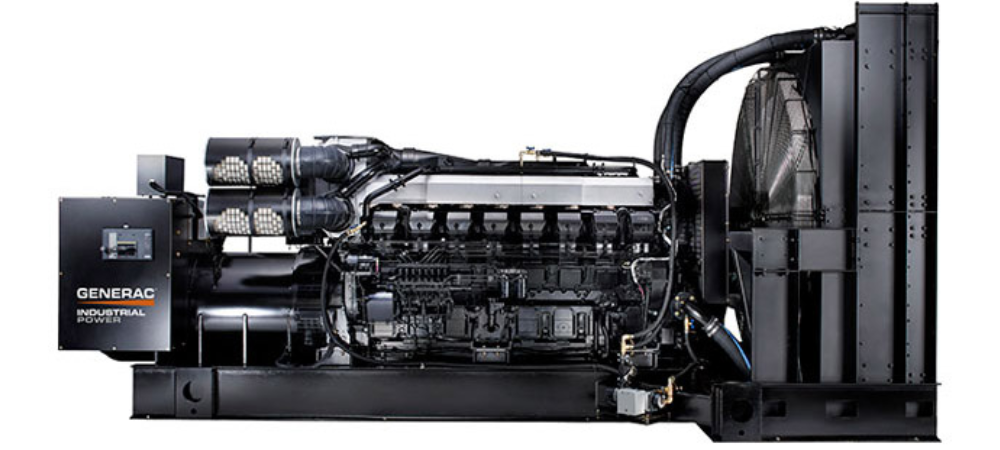
Industrial Generators - TW Enterprises
Image Source:https://twegen.com/industrial/
Common Questions About Industrial Power Generators
1.What is an industrial power generator?
An industrial power generator is a device that provides electrical power to industrial or commercial facilities, especially in the event of a power outage or in locations where grid power is unavailable or unreliable. These generators are larger and more powerful than residential units, designed to handle the higher demand of industrial operations.
2.How do industrial power generators work?
Industrial power generators convert mechanical energy, generated by engines running on diesel, natural gas, or other fuels, into electrical power through the process of electromagnetic induction. This power can then be used to operate machinery, lights, and other electrical equipment within an industrial facility.
3.What are the key benefits of using an industrial power generator?
- Reliability: They provide a reliable power supply during outages, ensuring continuous operation of critical systems.
- Flexibility: Generators can operate in remote locations, making them ideal for industries outside the reach of the main power grid.
- Cost-Efficiency: They can offer cost savings over time by reducing downtime and enhancing operational efficiency.
- Sustainability: With the integration of renewable energy sources, modern generators can also support sustainable operation practices.
4.What types of fuel can power an industrial generator?
Industrial generators can run on various types of fuel, including diesel, natural gas, propane, and biofuels. The choice of fuel depends on factors like availability, cost, environmental regulations, and the specific needs of the facility.
5.How do I choose the right size of industrial power generator for my business?
The right size depends on the total power requirements of your facility. This involves calculating the combined wattage of all machines, lighting, and equipment that the generator will need to power. It's often advisable to consult with a power generation expert or engineer to determine the appropriate size, considering both current needs and potential future expansion.
6.What is the importance of maintenance for industrial power generators?
Regular maintenance is crucial to ensure the reliability, efficiency, and longevity of an industrial power generator. This includes routine inspections, oil changes, replacing worn parts, and load testing. Proper maintenance can prevent unexpected failures and costly downtime.
7.Can industrial power generators be used as a primary power source?
Yes, in many cases, especially in remote or off-grid locations, industrial power generators serve as the primary source of power. They are also used in critical applications where reliability is paramount, even if grid power is available.
8.How do I ensure my industrial power generator is environmentally friendly?
Selecting a generator with high fuel efficiency, low emissions, and compatibility with renewable energy sources can minimize environmental impact. Additionally, adhering to maintenance schedules and employing the latest emissions control technologies can further reduce the ecological footprint of your generator.
9.How has technology improved modern industrial power generators?
Modern advancements include the integration of smart technologies for predictive maintenance, improved fuel efficiency, renewable energy integration, and reduced emissions. These innovations enhance the performance, sustainability, and cost-effectiveness of power generation solutions.
Reference sources:
1.Scholarly Articles and Journals
- IEEE Xplore Digital Library: Offers a wide range of articles on electrical engineering, including advancements in generator technology. https://ieeexplore.ieee.org/
- ScienceDirect: Provides access to a large collection of scientific and technical research, with comprehensive articles on energy systems and generator technologies. https://www.sciencedirect.com/
2.Technical Manuals and Specifications
- Manufacturers’ Websites: Companies like Caterpillar, Cummins, and Generac publish technical specifications and operation manuals for their generators.
- Caterpillar: https://www.cat.com/
- Cummins: https://www.cummins.com/
- Generac: https://www.generac.com/
3.Industry Reports
- Market Research Firms: Websites like Statista or MarketsandMarkets offer in-depth reports on the power generation industry, including market trends and analyses.
- Statista: https://www.statista.com/
- MarketsandMarkets: https://www.marketsandmarkets.com/
4.Government and Educational Resources
- U.S. Department of Energy: Provides resources and reports on energy policies, technologies, and trends. https://www.energy.gov/
- MIT Energy Initiative: Offers access to research papers and projects focused on energy technology and policy. http://energy.mit.edu/