


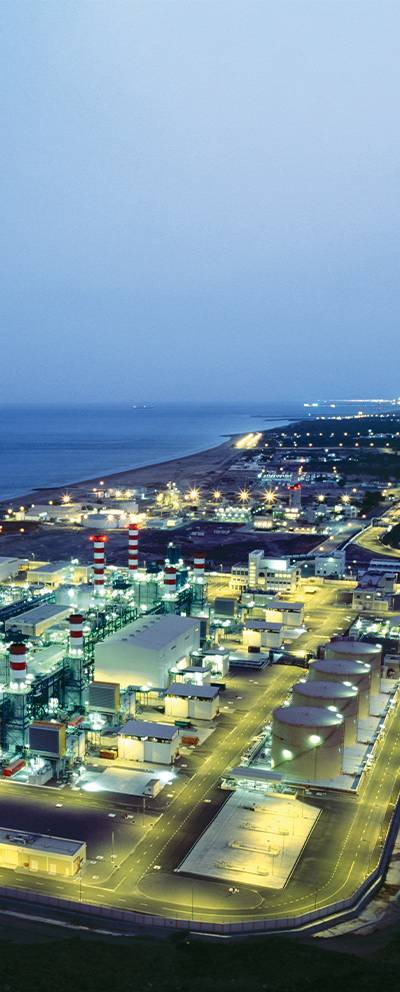
An emergency generator set is a backup power system used to provide power in the event of an interruption or failure of the main power supply. These generator sets are typically used in critical facilities such as hospitals, data centers, banks, and other locations that require continuous power supply. Emergency generator sets usually consist of a generator driven by an internal combustion engine (such as a diesel engine) that can be started and provide power in a short period of time. They are designed to ensure that facilities remain operational during grid outages or other emergencies.
The capacity of emergency generator sets is usually determined based on the power needs and criticality of the facility, and they are often used in conjunction with automatic transfer switches to ensure rapid automatic switching to backup power in the event of an interruption in primary power. These generator sets require regular maintenance and testing to ensure reliable operation when needed. Due to their importance, the deployment and operation of emergency generating units are often strictly regulated and standardized.
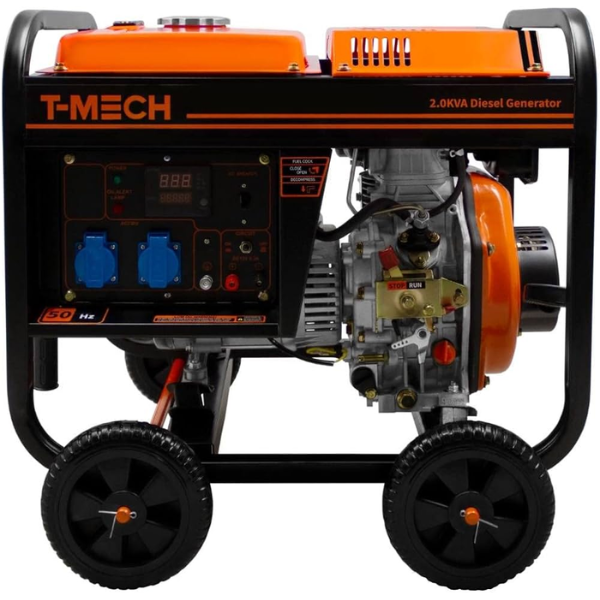
Emergency Generator Set Recommend Products

Emergency Generator Set Detail Introduction
Introduction to Emergency Generator Sets for European Homes
In the modern home, electricity is the heartbeat that powers everything from essential lighting to vital communication devices, and heating systems. However, this continuous flow of electricity can be interrupted by unforeseen circumstances, leading to power outages. This is where Emergency Generator Sets come into play, serving as a crucial backup power source to maintain normalcy during such disruptions. The importance of having an emergency power solution in place cannot be overstated, especially in regions prone to severe weather or with less reliable power infrastructures.
Generator sets, commonly known as gensets, are an integral component in safeguarding homes against the inconvenience and potential hazards of power outages. By providing an immediate source of power, these sets ensure that lighting, refrigeration, heating, and communication systems continue to function, minimizing the disruption to daily life. The adoption of Emergency Generator Sets in European homes has been on the rise, not just for luxury or convenience, but as a necessary measure for security and preparedness.
European homeowners are increasingly recognizing the role of generator sets not only as a reaction to power outages but as a proactive step towards ensuring a constant power supply. With the unpredictability of weather patterns and the aging infrastructure in many parts of Europe, the peace of mind that comes with having an emergency power solution is invaluable. This introduction seeks to highlight the critical nature of Emergency Generator Sets in modern living, emphasizing their significance in maintaining power continuity during outages, and setting the stage for a deeper exploration into how they work, the different types available, and considerations for selection to best suit the needs of European homes.
Integrating a Large Silent Generator into an Emergency Generator Set offers a unique combination of high power output and minimal noise pollution. This makes them particularly suited for environments where noise control is essential, alongside the need for substantial backup power. Large Silent Generators are equipped with advanced noise reduction technologies, such as sound-attenuated enclosures and sophisticated exhaust systems, which significantly lower the noise levels produced during operation. This feature is especially beneficial in urban areas, hospitals, and other settings where excessive noise could cause disturbance or interfere with operations.
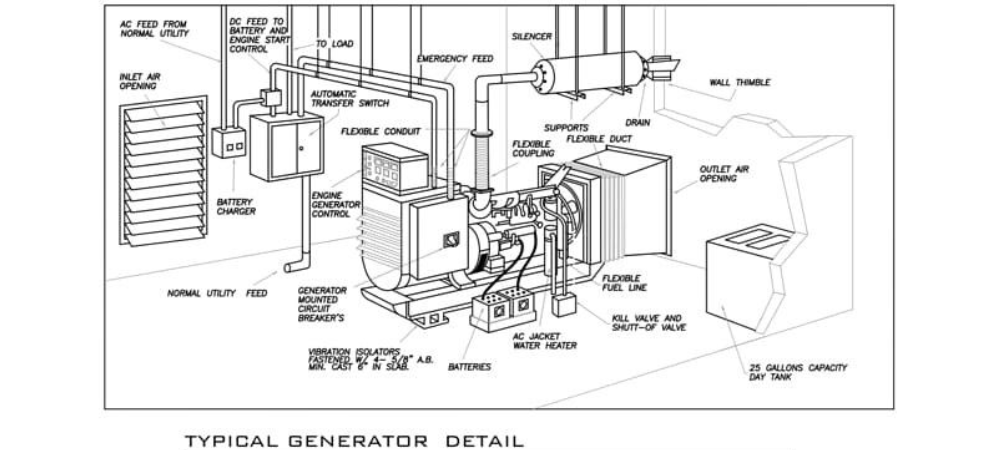
Emergency Generator An Overview
images source:https://bestongsm.live/product_details/106341892.html
Understanding the Basics of Emergency Generator Sets
Emergency Generator Sets are pivotal in providing a reliable power source during unexpected outages, ensuring homes remain functional and safe. Understanding the fundamentals of how these generator sets operate, and their components, can help homeowners make informed decisions when investing in an emergency power solution.
At its core, an Emergency Generator Set consists of an engine and an alternator, housed together. The engine, which can be powered by various fuels such as diesel, gas, propane, or natural gas, drives the alternator to generate electricity. This setup converts mechanical energy into electrical energy, which can then be used to power a home during a power outage.
The operation of generator sets is straightforward yet efficient. Upon loss of power, the generator set can be manually started or, in the case of automatic standby generators, it activates itself. Once running, it produces electricity, providing a seamless transition to ensure continuous power. This process is critical in maintaining the operation of essential home systems such as heating, cooling, refrigeration, and lighting, minimizing the impact of outages on daily life and safety.
Key components of a generator set include:
- The Engine: The powerhouse of the generator set. Its size and type are determined by the fuel it uses and the amount of power it needs to produce.
- The Alternator: Also known as the generator, this component produces electrical power from the mechanical power supplied by the engine.
- Fuel System: A tank that holds the fuel necessary for the engine's operation. The size of the tank dictates how long the generator can run.
- Voltage Regulator: This controls the voltage of the power produced, ensuring it matches the required voltage of the devices it powers.
- Cooling and Exhaust Systems: These systems manage the engine's temperature and safely vent exhaust gases produced during operation.
For European homeowners, understanding how Emergency Generator Sets work is the first step toward recognizing their value in emergency preparedness. This basic knowledge empowers homeowners to consider how such a system can be integrated into their homes, providing a reliable solution during unforeseen power outages and ensuring their home's functionality and safety.
The Engine: | The powerhouse of the generator set. Its size and type are determined by the fuel it uses and the amount of power it needs to produce. |
The Alternator: | Also known as the generator, this component produces electrical power from the mechanical power supplied by the engine. |
Fuel System: | A tank that holds the fuel necessary for the engine's operation. The size of the tank dictates how long the generator can run. |
Voltage Regulator: | This controls the voltage of the power produced, ensuring it matches the required voltage of the devices it powers. |
Cooling and Exhaust Systems: | These systems manage the engine's temperature and safely vent exhaust gases produced during operation. |
Should I buy a generator for emergencies?
If you live in an area that experiences hurricanes, tornadoes, severe thunderstorms, snow storms, or ice storms, purchasing a backup generator is highly recommended.
What are the SOLAS requirements for emergency generators?
All about marine emergency generators...
According to the SOLAS Convention, ship emergency generators should meet the following conditions: 1) The emergency generator should load automatically within 45 seconds after a power outage. 2) The emergency generator should have at least two starting methods (mostly battery starting and hydraulic starting).
How long can an emergency generator typically run without refueling?
Generally, backup generators can run for up to 24 hours without refueling or maintenance. However, this depends on several factors, including the generator you use and whether it has an automatic shut-off system.
What happens if my generator runs out of gas while running?
When a generator runs out of fuel, air enters the fuel system, which can cause fuel system components to overheat and malfunction. In severe cases, the fuel system may need to be repaired or replaced. Contamination: When a diesel generator runs out of fuel, contaminants like rust and dirt can enter the system.
Should you shut down the generator to refuel?
For safety reasons, turn off the generator and allow it to cool completely before refueling. Why? Because pouring gasoline into a hot engine is very dangerous, and trying to refuel while the generator is still running is even worse.
The Need for Emergency Generator Sets in Europe
Europe, with its diverse climate and topography, faces unique challenges that underscore the importance of having reliable emergency power solutions like Emergency Generator Sets. From severe weather events to infrastructure challenges, the reasons for power outages are as varied as the continent itself. Understanding these causes and their impacts is crucial for European homeowners considering the integration of generator sets into their homes.
Common Causes of Power Outages in European Regions
- Weather-Related Events: Europe's geographical diversity exposes it to a wide range of severe weather conditions, from the Atlantic storms hitting the UK and Ireland to the heatwaves in Southern Europe that can strain power grids to their limits. Additionally, heavy snowfall and ice can damage overhead power lines, especially in Northern and Eastern Europe.
- Aging Infrastructure: In many parts of Europe, the electrical grid is aging and overburdened. As demand for electricity grows, these systems can become more susceptible to failures, leading to outages.
- Technical Failures and Maintenance: Unexpected technical issues or routine maintenance can also lead to temporary power loss. While these incidents may not last long, they can disrupt daily life and pose significant inconveniences.
Impact of Power Outages on Homes and Lifestyle
The effects of power outages extend beyond mere inconvenience. They can disrupt heating, cooling, and refrigeration systems, leading to discomfort and potential food spoilage. In the digital age, losing power also means losing connectivity, which can isolate individuals from communication networks and emergency services. For families with medical needs that require powered devices, outages can pose direct health risks.
Moreover, the frequency and intensity of extreme weather events are expected to increase due to climate change, making power resilience an even more critical consideration for European homeowners. The integration of Emergency Generator Sets provides a proactive approach to mitigating these risks, ensuring that homes remain powered during outages and safeguarding against the vulnerabilities of the existing power grid.
Understanding these dynamics highlights the crucial role that Emergency Generator Sets play in modern home preparedness strategies. By offering a reliable source of backup power, these systems ensure that European homes can maintain safety, comfort, and functionality, even when the unexpected occurs.
Types of Emergency Generator Sets Available
Selecting the right Emergency Generator Set for your European home involves understanding the various types available and how they cater to different needs and preferences. Each type of generator set comes with its own set of advantages, fuel requirements, and suitability for various home sizes and power needs.
Portable vs. Standby Generator Sets
Portable Generator Sets: These are versatile and can be moved as needed, making them ideal for temporary power needs or smaller homes. They typically run on gasoline, diesel, or propane and can power essential appliances and systems during an outage. However, they require manual setup and operation during each use.
Standby Generator Sets: Installed permanently near your home, standby generators start automatically during a power outage, providing seamless power recovery. They are generally more powerful than portable models, capable of powering an entire home, and run on natural gas, propane, or diesel. Their automatic operation and larger fuel tanks make them a preferred choice for comprehensive emergency power solutions.
Fuel Types: Diesel, Gas, Propane, and Natural Gas Generators
Diesel Generators: Known for their durability and efficiency, diesel generators are a common choice for Emergency Generator Sets. They perform well in cold weather, making them suitable for many European climates, but they may require more maintenance than gas-powered models.
Gasoline Generators: These are widely available and easy to use, but gasoline has a shorter shelf life compared to other fuels, and its availability can be limited during widespread power outages.
Propane Generators: Offering a long shelf life for the fuel and cleaner emissions, propane generators are a popular choice for environmentally conscious homeowners. They are also known for quieter operation compared to diesel models.
Natural Gas Generators: With the ability to connect to your home's natural gas supply, these generators offer a virtually limitless fuel source. They are environmentally friendly and efficient, but the installation can be more complex and costly.
When choosing an Emergency Generator Set for your European home, consider the specific needs of your household, the ease of obtaining fuel during an emergency, and the environmental impact of the generator's operation. The right choice balances power capacity, fuel efficiency, and operational convenience to ensure that your home remains powered during critical times.
Factors to Consider When Choosing an Emergency Generator Set
Selecting the appropriate Emergency Generator Set for your European home involves careful consideration of several key factors to ensure it meets your specific needs and requirements. From power capacity to noise levels, understanding these factors can help you make an informed decision when investing in an emergency power solution.
Power Capacity: Sizing the Generator for Your Home's Needs
Assess Your Power Needs: Determine the essential appliances and systems you want to power during an outage, such as lights, heating, refrigeration, and communication devices.
Calculate Wattage Requirements: Add up the wattage of all these appliances to determine the minimum power capacity your generator should have. Consider peak and continuous loads to ensure adequate coverage.
Noise Levels: Considerations for Residential Areas
Noise Regulations: Check local noise regulations and consider the noise level of the generator set, especially if you live in a densely populated area or have close neighbors.
Look for Quiet Models: Opt for generator sets with sound-dampening features or low-noise designs to minimize disruptions to your household and surroundings.
Fuel Efficiency and Availability in Europe
Fuel Type: Evaluate the availability of different fuel types in your area and choose a generator set that runs on a fuel source readily accessible during emergencies.
Consider Fuel Efficiency: Look for generator sets with high fuel efficiency ratings to minimize fuel consumption and reduce operational costs over time.
Automatic vs. Manual Operation
Automatic Transfer Switch: Consider generator sets equipped with automatic transfer switches (ATS), which detect power outages and automatically start the generator, ensuring seamless power restoration without manual intervention.
Manual Operation: If opting for a manual start generator, ensure you have a reliable means of starting and operating the generator during emergencies.
Installation and Maintenance Requirements
Professional Installation: Determine whether professional installation is required for your chosen generator set, especially for larger standby models, to ensure proper setup and compliance with local regulations.
Routine Maintenance: Consider the maintenance requirements of the generator set, including regular servicing, fuel management, and battery maintenance, to ensure reliable operation during emergencies.
By carefully considering these factors, you can choose an Emergency Generator Set that meets your home's power needs, fits seamlessly into your lifestyle, and provides peace of mind during unexpected outages. Remember to prioritize safety, efficiency, and reliability when making your selection to ensure your home remains powered when it matters most.
Safety First: Essential Safety Tips for Operating Generator Sets
While Emergency Generator Sets are invaluable during power outages, it's crucial to prioritize safety when operating these devices to prevent accidents and ensure the well-being of your household. Understanding and adhering to essential safety guidelines is paramount to mitigate risks associated with generator use.
Ventilation Requirements to Prevent Carbon Monoxide Poisoning
Outdoor Placement: Always operate the generator outdoors in a well-ventilated area, away from doors, windows, and vents, to prevent the buildup of toxic carbon monoxide gas.
Distance from Structures: Maintain a safe distance of at least 20 feet between the generator and your home or other structures to minimize the risk of exhaust fumes entering living spaces.
Use Carbon Monoxide Detectors: Install carbon monoxide detectors in your home to provide early warning of any buildup of this odorless, deadly gas. Test the detectors regularly to ensure they are functioning correctly.
Safe Fuel Storage and Handling Practices
Proper Fuel Storage: Store fuel for the generator in approved containers in a well-ventilated, cool, and dry location, away from ignition sources and the reach of children.
Avoid Overfilling: Never overfill the generator's fuel tank to prevent spills and minimize the risk of fire hazards. Use a funnel to pour fuel and wipe up any spills promptly.
Refueling Safety: Allow the generator to cool down before refueling to prevent accidental ignition of hot engine parts. Use caution when handling flammable liquids and avoid smoking or open flames nearby.
Electrical Safety Precautions
Prevent Electrical Hazards: Keep the generator dry and operate it on a dry surface to prevent electrical shock hazards. Use insulated extension cords designed for outdoor use and avoid overloading them.
Grounding Requirements: Ensure the generator is properly grounded according to manufacturer instructions to prevent electrical faults and protect against electrical surges.
No Backfeeding: Never connect the generator to your home's electrical wiring directly unless equipped with a transfer switch. Backfeeding can endanger utility workers and damage appliances.
Regular Maintenance and Inspections
Scheduled Maintenance: Follow the manufacturer's recommended maintenance schedule for your generator, including oil changes, filter replacements, and battery checks, to ensure optimal performance and reliability.
Visual Inspections: Regularly inspect the generator for signs of damage, leaks, or wear, including the fuel system, exhaust system, and electrical components. Address any issues promptly to prevent safety hazards.
By adhering to these essential safety tips, European homeowners can enjoy the peace of mind that comes with knowing their Emergency Generator Set is operating safely and effectively, providing reliable backup power during outages without compromising their family's safety. Safety should always be the top priority when using generator sets to ensure a secure and comfortable living environment.
Outdoor Placement: | Always operate the generator outdoors in a well-ventilated area, away from doors, windows, and vents, to prevent the buildup of toxic carbon monoxide gas. |
Distance from Structures: | Maintain a safe distance of at least 20 feet between the generator and your home or other structures to minimize the risk of exhaust fumes entering living spaces. |
Use Carbon Monoxide Detectors: | Install carbon monoxide detectors in your home to provide early warning of any buildup of this odorless, deadly gas. Test the detectors regularly to ensure they are functioning correctly. |
Installation and Maintenance of Your Emergency Generator Set
Proper installation and regular maintenance are crucial aspects of ensuring the reliability and longevity of your Emergency Generator Set. Whether opting for professional installation or DIY setup, understanding the installation process and adhering to maintenance best practices is essential for optimal performance during emergencies.
Professional Installation vs. DIY: Pros and Cons
Professional Installation:
- Pros: Ensures compliance with local regulations and safety standards.
- Cons: May incur additional costs for labor and expertise.
DIY Installation:
- Pros: Offers flexibility and potential cost savings.
- Cons: Requires technical knowledge and may void warranties if not done correctly.
Routine Maintenance Tips to Ensure Reliability
Regular Inspections: Conduct visual inspections of the generator, including fuel lines, connections, and components, to detect any signs of wear or damage.
Oil and Filter Changes: Follow the manufacturer's recommendations for oil changes and filter replacements to maintain engine performance and longevity.
Battery Checks: Test the battery regularly and keep it charged to ensure the generator starts reliably during emergencies.
Fuel Management: Use fresh fuel and additives as recommended by the manufacturer to prevent fuel degradation and ensure optimal engine performance.
Exercise the Generator: Run the generator periodically to keep it in good working condition and prevent issues related to long periods of inactivity.
Safety Measures during Installation and Maintenance
Follow Manufacturer Instructions: Adhere to the manufacturer's guidelines for installation, maintenance, and safety precautions to prevent accidents and ensure proper operation.
Use Protective Gear: Wear appropriate safety gear, such as gloves and eye protection, when handling fuel or performing maintenance tasks to protect against injury.
Turn Off the Generator: Always turn off the generator and allow it to cool down before performing maintenance or inspection tasks to avoid burns or other hazards.
Keep a Fire Extinguisher Handy: Have a fire extinguisher rated for flammable liquid fires nearby when working with the generator to quickly respond to emergencies.
Emergency Maintenance Procedures
Troubleshooting Guide: Keep a troubleshooting guide and the generator's manual readily accessible for quick reference in case of issues during operation.
Emergency Shutdown: Familiarize yourself with emergency shutdown procedures in case of malfunction or unsafe conditions to prevent further damage or hazards.
By following these installation and maintenance guidelines, European homeowners can ensure their Emergency Generator Set is installed correctly, well-maintained, and ready to provide reliable backup power during unexpected outages. Prioritizing safety and adherence to manufacturer recommendations is key to maximizing the lifespan and effectiveness of your generator set, providing peace of mind when it's needed most.
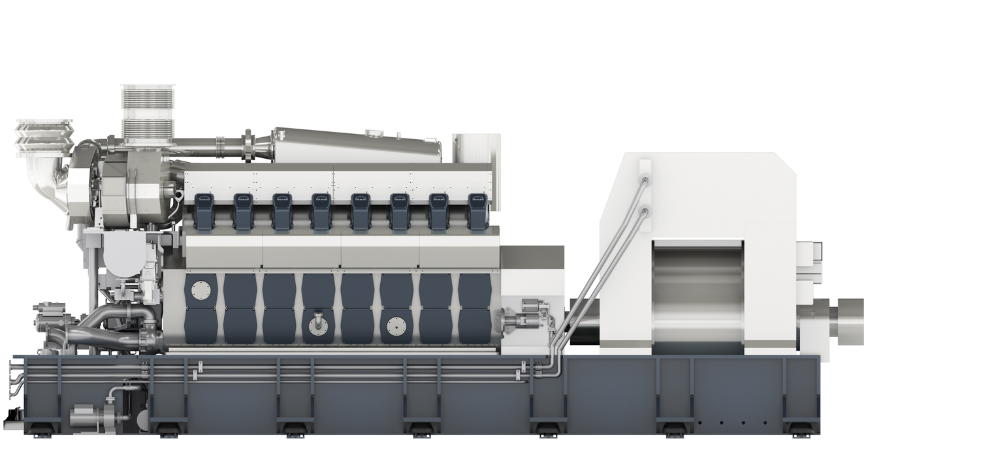
Emergency Diesel Generators
images source:https://www.man-es.com/energy-storage/products/emergency-diesel-generators
Legal and Environmental Considerations in Europe
When installing and operating an Emergency Generator Set in Europe, homeowners must consider both legal requirements and environmental concerns to ensure compliance and minimize their ecological footprint. Understanding these considerations is essential for responsible generator ownership and operation.
Regulations and Permits Required for Generator Installation
Local Regulations: Research and comply with local regulations regarding the installation of generator sets, including zoning laws, noise ordinances, and emissions standards.
Permit Requirements: Obtain any necessary permits or approvals from local authorities before installing a generator set to ensure legal compliance and avoid potential fines or penalties.
Environmental Impact and Mitigation Measures
Emissions Control: Choose generator sets that meet or exceed European emissions standards to minimize air pollution and environmental impact. Opt for models with advanced emission control technologies, such as catalytic converters and particulate filters.
Noise Reduction: Select generator sets with low-noise designs and sound attenuation features to minimize noise pollution and mitigate the disturbance to surrounding areas and wildlife.
Fuel Efficiency: Prioritize fuel-efficient generator sets to reduce fuel consumption and greenhouse gas emissions, contributing to environmental conservation efforts.
Renewable Energy Integration
Hybrid Solutions: Consider hybrid generator systems that integrate renewable energy sources, such as solar panels or wind turbines, to reduce reliance on fossil fuels and further decrease environmental impact.
Energy Storage: Explore energy storage solutions, such as battery banks or capacitors, to store excess energy generated by renewable sources for use during emergencies, minimizing the need for continuous generator operation.
Proper Fuel Management
Fuel Spill Prevention: Implement spill prevention measures during fuel storage and handling to minimize the risk of soil and water contamination from fuel spills.
Fuel Quality Maintenance: Use high-quality, low-sulfur fuels and additives to ensure clean combustion and reduce emissions. Store fuel in approved containers and follow proper storage practices to prevent degradation and contamination.
Community Engagement and Awareness
Educational Outreach: Raise awareness among neighbors and the community about the importance of responsible generator use and environmental stewardship to foster a culture of sustainability and environmental responsibility.
Collaboration with Authorities: Work collaboratively with local authorities and environmental agencies to address concerns related to generator emissions, noise pollution, and environmental impact through proactive measures and community engagement initiatives.
By adhering to legal requirements, implementing environmental mitigation measures, and promoting responsible generator ownership, European homeowners can minimize the environmental impact of Emergency Generator Sets while ensuring compliance with regulations and contributing to sustainable living practices.
Emissions Control: | Choose generator sets that meet or exceed European emissions standards to minimize air pollution and environmental impact. Opt for models with advanced emission control technologies, such as catalytic converters and particulate filters. |
Noise Reduction: | Select generator sets with low-noise designs and sound attenuation features to minimize noise pollution and mitigate the disturbance to surrounding areas and wildlife. |
Fuel Efficiency: | Prioritize fuel-efficient generator sets to reduce fuel consumption and greenhouse gas emissions, contributing to environmental conservation efforts. |
The Cost of Investing in an Emergency Generator Set
Investing in an Emergency Generator Set entails various costs, including initial purchase price, installation expenses, fuel consumption, and ongoing maintenance. Understanding the financial implications of owning a generator set is essential for European homeowners to make informed decisions and budget effectively for their emergency power needs.
Initial Purchase Price vs. Long-Term Benefits
Initial Investment: Consider the upfront cost of purchasing a generator set, which varies depending on factors such as power capacity, fuel type, and brand reputation. Compare prices from different manufacturers and suppliers to find the best value for your budget.
Long-Term Savings: Evaluate the long-term benefits of owning a generator set, including savings on potential damages and losses incurred during power outages, such as spoiled food, property damage, and lost productivity. Calculate the return on investment (ROI) based on these factors to assess the cost-effectiveness of purchasing a generator set.
Running Costs: Fuel Consumption and Maintenance Expenses
Fuel Costs: Estimate the ongoing fuel consumption of the generator set based on its power output, fuel efficiency rating, and expected usage during power outages. Consider the availability and cost of fuel sources such as diesel, gas, propane, or natural gas in your area.
Maintenance Expenses: Budget for routine maintenance tasks, including oil changes, filter replacements, battery checks, and other servicing requirements recommended by the manufacturer. Factor in the cost of professional maintenance services if required.
Total Cost of Ownership Analysis
Total Cost Calculation: Calculate the total cost of ownership (TCO) over the expected lifespan of the generator set, considering all expenses incurred from purchase to disposal, including acquisition, installation, fuel, maintenance, and potential repairs.
Comparison with Alternatives: Compare the TCO of owning a generator set with alternative solutions, such as portable generators, battery backup systems, or reliance on utility power alone, to determine the most cost-effective option for your needs.
Financing Options and Incentives
Financing Programs: Explore financing options such as loans or leasing arrangements to spread out the upfront cost of purchasing a generator set over time, making it more affordable for homeowners with budget constraints.
Government Incentives: Research government incentives, rebates, or tax credits available for investing in energy-efficient or renewable energy technologies, which may help offset the cost of purchasing and installing a generator set.
By carefully assessing the costs and benefits of owning an Emergency Generator Set, European homeowners can make informed decisions about whether to invest in this critical backup power solution. Balancing upfront expenses with long-term savings and considering financing options and incentives can help make generator ownership more accessible and financially viable for households across Europe.
Innovative Features to Look For in Modern Generator Sets
Modern Emergency Generator Sets offer advanced features and technologies that enhance performance, convenience, and efficiency. European homeowners seeking reliable backup power solutions should consider these innovative features when selecting a generator set to meet their specific needs and preferences.
Smart Technology Integration for Remote Monitoring and Control
Remote Monitoring: Look for generator sets equipped with smart technology features that allow remote monitoring of performance metrics, fuel levels, and maintenance alerts via mobile apps or web interfaces.
Automatic Notifications: Opt for generators that can send automatic notifications to homeowners or service providers in case of issues or maintenance requirements, ensuring timely intervention and peace of mind.
Automatic Transfer Switches for Seamless Power Transition
Automatic Start/Stop: Choose generator sets with automatic transfer switches (ATS) that detect power outages and automatically start the generator, ensuring seamless power transition without manual intervention.
Load Management: Select models with load management capabilities that prioritize power distribution to essential appliances and systems, optimizing energy usage and maximizing efficiency.
Fuel Efficiency and Emission Control Technologies
Variable Speed Engines: Consider generator sets equipped with variable speed engines that adjust power output based on load demand, improving fuel efficiency and reducing emissions during operation.
Emission Control Systems: Look for generators with advanced emission control technologies, such as catalytic converters and particulate filters, to minimize environmental impact and comply with stringent emissions standards.
Enhanced User Interface and Controls
Intuitive Control Panels: Seek generators with user-friendly control panels featuring clear displays, intuitive interfaces, and easy-to-use controls for convenient operation and monitoring.
Programmable Settings: Opt for models with programmable settings that allow customization of power management, scheduling, and maintenance reminders to suit specific preferences and requirements.
Enhanced Safety and Security Features
Automatic Shutdown: Choose generators with automatic shutdown capabilities in case of overload, low oil pressure, or other safety hazards to protect the generator and prevent damage.
Security Features: Look for built-in security features such as password protection or anti-theft mechanisms to safeguard the generator against unauthorized access or tampering.
Eco-Friendly and Renewable Energy Integration
Hybrid Functionality: Consider hybrid generator sets that integrate renewable energy sources such as solar panels or wind turbines to reduce reliance on fossil fuels and minimize environmental impact.
Energy Storage Solutions: Explore options for integrating energy storage solutions, such as battery banks or capacitors, to store excess energy generated by renewable sources for use during emergencies, enhancing overall sustainability.
By prioritizing generators with these innovative features, European homeowners can ensure they have a reliable and efficient backup power solution that meets their needs while embracing the latest advancements in generator technology. Whether enhancing convenience, improving efficiency, or reducing environmental impact, these features play a crucial role in providing dependable emergency power when it's needed most.
Real-Life Stories: European Homes and Their Emergency Generator Sets
Examining real-life experiences and case studies of European homeowners who have installed Emergency Generator Sets provides valuable insights into the practical benefits and challenges of owning these backup power solutions. By learning from these stories, homeowners can better understand the impact of generator ownership on their lives and make informed decisions about their own emergency power needs.
Case Study 1: Weathering Storms in Northern Europe
- Location: A remote farmhouse in Northern Europe prone to severe winter storms and power outages.
- Generator Solution: Installed a standby diesel generator capable of powering essential appliances and heating systems during extended outages.
- Outcome: The generator provided uninterrupted power during severe storms, ensuring the family's comfort and safety even when grid power was unavailable. The investment in the generator paid off during prolonged outages, demonstrating its reliability and value in extreme weather conditions.
Case Study 2: Urban Living in a Metropolitan Area
- Location: A densely populated urban neighborhood in a major European city with frequent power fluctuations and outages.
- Generator Solution: Invested in a portable gas generator to provide backup power for essential electronics and appliances during short-term outages.
- Outcome: The portable generator proved invaluable during brief power interruptions, allowing the family to maintain connectivity, refrigeration, and basic comfort until grid power was restored. Its compact size and easy setup made it a practical solution for urban living, providing peace of mind in a bustling city environment.
Case Study 3: Sustainable Living in Southern Europe
- Location: A rural eco-community in Southern Europe committed to sustainable living practices and renewable energy integration.
- Generator Solution: Implemented a hybrid generator system combining solar panels, battery storage, and a backup diesel generator for emergency power needs.
- Outcome: The hybrid generator system seamlessly integrates renewable energy sources with backup power capabilities, minimizing reliance on fossil fuels and reducing environmental impact. It provides reliable emergency power while aligning with the community's sustainability goals, showcasing the potential for eco-friendly generator solutions in rural settings.
Case Study 4: Coastal Living on a Mediterranean Island
- Location: A coastal home on a Mediterranean island prone to occasional power grid failures and supply disruptions.
- Generator Solution: Installed a standby propane generator with automatic transfer switch to ensure uninterrupted power for critical systems, including refrigeration and medical equipment.
- Outcome: The standby generator provided peace of mind during grid failures and supply disruptions, allowing the family to maintain essential services and comfort. Its automatic operation and clean-burning propane fuel made it well-suited for coastal living, where environmental considerations are paramount.
Case Study 5: Historical Preservation in a European Village
- Location: A historic village in Europe with aging infrastructure and occasional power outages.
- Generator Solution: Employed a standby natural gas generator to protect historical buildings and artifacts from damage during outages.
- Outcome: The natural gas generator safeguarded the village's cultural heritage by ensuring uninterrupted power for museums, archives, and preservation facilities. Its low-emission operation and automatic start/stop functionality preserved the integrity of the historic structures while providing reliable emergency power.
These real-life stories highlight the diverse applications and benefits of Emergency Generator Sets in European homes, from rural farms to urban apartments, demonstrating their versatility, reliability, and value in ensuring continuity of power during emergencies. By understanding these case studies, homeowners can gain valuable insights into the practical considerations and outcomes of generator ownership in their own unique contexts.
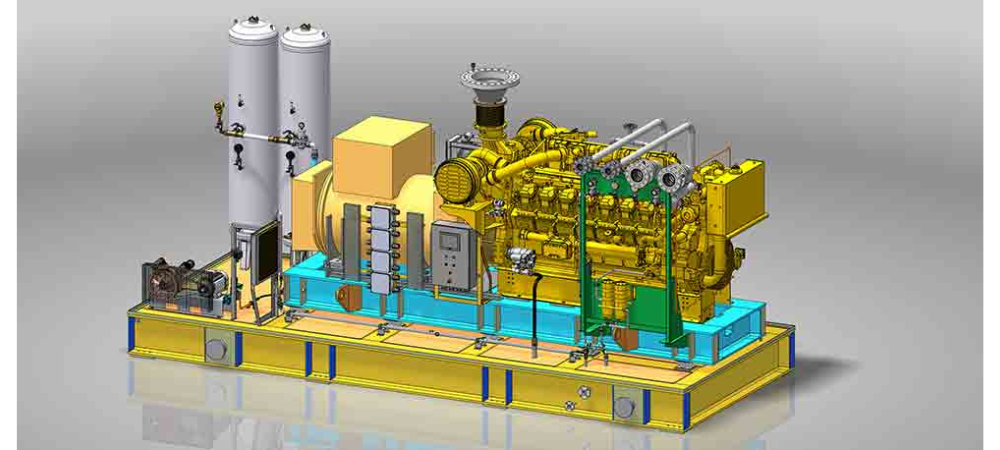
MOHO NORD FPU – EMERGENCY DIESEL GENERATOR PACKAGE
images source: https://www.eneria.dz/en/references/moho-nord-fpu-emergency-diesel-generator-package/
How to Prepare Your Home for Installation of a Generator Set
Preparing your European home for the installation of an Emergency Generator Set involves several essential steps to ensure a smooth and successful setup process. By taking proactive measures and addressing key considerations before installation, homeowners can maximize the effectiveness and reliability of their generator system while minimizing potential challenges or complications.
Steps to Take Before Your Generator Arrives
Assess Site Requirements: Determine the optimal location for installing the generator, considering factors such as proximity to fuel sources, ventilation requirements, noise considerations, and accessibility for maintenance.
Obtain Necessary Permits: Research local regulations and obtain any required permits or approvals for generator installation from relevant authorities to ensure compliance with zoning laws and safety standards.
Prepare the Installation Site: Clear the installation site of debris, vegetation, and other obstructions to provide a level and stable foundation for the generator. Ensure sufficient space for installation, maintenance, and ventilation as per manufacturer guidelines.
Arrange for Fuel Supply: Arrange for a reliable fuel supply, such as diesel, propane, or natural gas, depending on the generator's fuel type, and ensure adequate storage capacity and accessibility for refueling.
Working with Professionals for Installation
Hire Qualified Contractors: Select experienced and qualified contractors or electricians with expertise in generator installation to ensure proper setup, wiring, and compliance with safety standards.
Coordinate Site Preparation: Coordinate with the installation team to finalize site preparations, including placement of the generator, installation of fuel lines, electrical connections, and any necessary infrastructure modifications.
Schedule Installation Date: Schedule the installation date with the installation team, considering factors such as weather conditions, availability of equipment, and coordination with utility providers if required.
Review Installation Plan: Review the installation plan with the contractor to ensure all necessary steps are accounted for, including electrical wiring, transfer switch installation, and testing procedures.
Post-Installation Checks and Testing
Verify Proper Installation: Conduct a thorough inspection of the installed generator system to ensure all components are correctly installed, connections are secure, and safety features are functioning as intended.
Perform Functional Testing: Test the generator system under load conditions to verify its performance, including startup, automatic transfer switch operation, and power output to essential circuits.
Review Operation and Maintenance Procedures: Familiarize yourself with the operation and maintenance procedures outlined in the manufacturer's manual, including startup/shutdown sequences, fueling procedures, and routine maintenance tasks.
Schedule Regular Maintenance: Establish a schedule for routine maintenance tasks, such as oil changes, filter replacements, and battery checks, and maintain accurate records of maintenance activities for future reference.
By following these preparatory steps and working closely with qualified professionals, European homeowners can ensure their homes are well-equipped to accommodate the installation of an Emergency Generator Set effectively and efficiently. Proper preparation and coordination are key to maximizing the benefits of generator ownership and ensuring reliable backup power during emergencies.
The Future of Emergency Power: Trends in Generator Set Technology
As technology continues to evolve, so too do Emergency Generator Sets, offering innovative solutions to meet the evolving needs of European homeowners. By staying abreast of emerging trends in generator set technology, homeowners can anticipate future developments and make informed decisions when investing in backup power solutions.
Advances in Fuel Efficiency and Renewable Energy Integration
Hybrid Generator Systems: Expect to see increased adoption of hybrid generator systems that combine conventional fuel-powered generators with renewable energy sources such as solar panels, wind turbines, or fuel cells. These systems offer improved efficiency, reduced reliance on fossil fuels, and lower environmental impact.
Energy Storage Solutions: Look for advancements in energy storage technologies, including lithium-ion batteries and supercapacitors, to complement generator sets and store excess energy generated by renewables for use during emergencies. Integrated energy storage solutions enhance system flexibility and reliability while reducing operating costs.
Smart Technology Integration for Enhanced Monitoring and Control
Internet of Things (IoT) Connectivity: Generator sets equipped with IoT capabilities enable remote monitoring, diagnostics, and predictive maintenance through cloud-based platforms. Real-time data analytics and predictive algorithms optimize performance, identify potential issues proactively, and improve reliability.
Smart Load Management: Intelligent load management systems prioritize power distribution to essential loads, dynamically adjusting output based on demand and optimizing energy usage. Advanced controls and algorithms ensure efficient operation and maximize runtime during emergencies.
Environmental Sustainability and Emission Reduction
Eco-Friendly Fuel Options: Continued development of alternative fuels, such as biofuels, hydrogen, and synthetic fuels, offers cleaner and more sustainable alternatives to traditional fossil fuels. Eco-friendly fuel options reduce emissions, mitigate environmental impact, and support efforts to combat climate change.
Emission Control Technologies: Expect further advancements in emission control technologies, including advanced catalytic converters, selective catalytic reduction (SCR) systems, and exhaust gas recirculation (EGR) systems, to achieve compliance with increasingly stringent emissions regulations while maintaining high performance standards.
Enhanced Reliability and Resilience Features
Redundancy and Redundant Systems: Generator sets with built-in redundancy features, redundant components, and backup systems enhance reliability and resilience, ensuring continuous operation during extreme conditions or component failures. Redundancy minimizes downtime and maximizes uptime critical during emergencies.
Fault-Tolerant Design: Future generator sets may incorporate fault-tolerant design principles and self-healing capabilities to detect, isolate, and mitigate faults automatically, minimizing the risk of system failure and optimizing reliability in challenging environments.
Integration with Smart Grids and Microgrids
Microgrid Integration: Increased integration of generator sets with smart grids and microgrid systems enables seamless transition between grid-connected and islanded operation modes. Smart grid technologies facilitate bi-directional energy flow, demand response, and energy management optimization, enhancing grid stability and resilience.
Grid-Interactive Operation: Generator sets capable of grid-interactive operation support grid stabilization, peak shaving, and load balancing functions, providing valuable grid services and contributing to overall energy system reliability and efficiency.
By embracing these emerging trends and advancements in generator set technology, European homeowners can ensure they have access to reliable, efficient, and environmentally sustainable backup power solutions capable of meeting their evolving needs in an increasingly interconnected and dynamic energy landscape. Investing in future-ready generator technology today ensures readiness for tomorrow's challenges and opportunities.
Conclusion: Ensuring Peace of Mind with the Right Emergency Generator Set
In conclusion, investing in an Emergency Generator Set for your European home is a proactive step towards safeguarding your family, property, and well-being during power outages and emergencies. By choosing the right generator set and implementing proper installation, maintenance, and safety measures, homeowners can ensure uninterrupted power supply and peace of mind when grid power fails.
The Essential Guide to Choosing Your Emergency Generator Set for European Homes has provided valuable insights into the selection, installation, operation, and maintenance of generator sets, addressing common questions and considerations faced by homeowners. From understanding the basics of generator technology to exploring advanced features and future trends, this guide has equipped homeowners with the knowledge and tools needed to make informed decisions about their emergency power needs.
With advances in generator technology, including smart integration, renewable energy integration, and enhanced reliability features, European homeowners have access to innovative solutions that offer greater efficiency, sustainability, and resilience. By embracing these advancements and staying abreast of emerging trends, homeowners can future-proof their homes against power disruptions and ensure readiness for whatever challenges may arise.
As you embark on your journey to select and install the right Emergency Generator Set for your home, remember the importance of professional guidance, compliance with regulations, and prioritization of safety at all times. By working with qualified professionals, adhering to best practices, and investing in quality equipment, you can enjoy reliable backup power and peace of mind for years to come.
In the face of uncertainties and challenges, your Emergency Generator Set stands as a beacon of reliability, resilience, and preparedness, ensuring that your home remains a safe haven even in the darkest of times. With the right generator set by your side, you can weather any storm with confidence, knowing that you have taken proactive steps to protect what matters most.
Common Questions About Emergency Generator Sets
1.What is an Emergency Generator Set, and Why Do I Need One?
- An Emergency Generator Set is a backup power system designed to provide electricity during outages. It ensures essential appliances and systems remain operational during emergencies, offering peace of mind and safety for homeowners.
2.How Does an Emergency Generator Set Work?
- Emergency generator sets typically consist of an engine powered by diesel, natural gas, or propane, coupled with an alternator to generate electricity. When grid power fails, the generator automatically starts and supplies power to designated circuits or appliances.
3.What Factors Should I Consider When Choosing an Emergency Generator Set?
- Consider factors such as power capacity, fuel type, runtime, noise levels, installation space, and local regulations. Assess your home's power needs and select a generator set that meets your requirements.
4.Where Should I Install the Generator Set?
- Install the generator set outdoors in a well-ventilated area, away from windows, doors, and air intakes. Ensure the installation site is level, stable, and compliant with safety regulations to prevent exhaust fumes from entering the home.
5.How Do I Maintain and Service My Generator Set?
- Follow the manufacturer's recommended maintenance schedule for tasks such as oil changes, filter replacements, and battery checks. Conduct regular testing and exercise runs to verify proper operation and readiness for emergencies.
6.Can I Connect the Generator Set to My Home's Electrical System?
- Yes, generator sets can be connected to your home's electrical system using a transfer switch or interlock device. Professional installation by licensed electricians ensures safe and code-compliant installation.
7.What Fuel Options Are Available for Generator Sets?
- Generator sets are available in various fuel options, including diesel, natural gas, propane, and gasoline. Choose a fuel type based on availability, cost, emissions, and storage requirements.
8.How Long Can an Emergency Generator Run Continuously?
- The runtime of an emergency generator depends on factors such as fuel capacity, load demand, and maintenance. Diesel generators typically offer longer runtime compared to gasoline or propane generators.
9.Are There Any Safety Precautions I Should Follow When Using a Generator Set?
- Follow safety precautions to prevent accidents and ensure safe operation, such as keeping the generator outdoors in a well-ventilated area, using fuel stabilizers, and avoiding overloading the generator.
10.What Should I Do in Case of Generator Set Malfunctions or Emergencies?
- In case of malfunctions or emergencies, prioritize safety and shut down the generator immediately. Contact a qualified service technician for professional diagnosis and repairs. Have alternative power sources or evacuation plans in place for extended outages.
Reference sources:
1.Fitzgerald, A. E., & Kingsley, C. (1961). "Electric Machinery" (3rd ed.). McGraw-Hill Education. https://www.amazon.com/Electric-Machinery-McGraw-Hill-electrical-engineering/dp/B0006AXTHI
2.Electric Machinery (5th Edition) by A. E. Fitzgerald, Charles Kingsley, and Stephen D. Umans.https://www.amazon.com/Electric-Machinery-Alan-Edward-Fitzgerald/dp/0073529540
3.Electric Machinery Fundamentals (5th Edition) by Stephen J. Chapman. https://www.amazon.com/Electric-Machinery-Fundamentals-Stephen-Chapman/dp/0073529540
4.Electric Machines and Drives: Principles, Control, Modeling, and Simulation by Shaahin Filizadeh and Mohamed Daowd. https://www.springer.com/gp/book/9783030390761
5.Fitzgerald, A. E., Kingsley, C., & Umans, S. D. (1983). "Electric Machinery" (5th ed.). McGraw-Hill Education. https://www.amazon.com/Electric-Machinery-Alan-Edward-Fitzgerald/dp/0073191469