



Empowering Construction: The Critical Role of Generators in Modern Building Projects
Introduction to Construction Site Generators
The backbone of any construction project, construction site generators, are indispensable in ensuring that work progresses smoothly and efficiently. These robust machines provide the necessary power to run tools and machinery in locations where access to the grid is unavailable or unreliable. The importance of reliable power on construction sites cannot be overstated, as it directly impacts productivity, safety, and project timelines.
Generators for construction sites come in various types and capacities to suit different project needs. From powering small tools to providing electricity for entire building sites, the versatility of these generators is evident. The best generator for a construction site is one that matches the specific power requirements of the project, offering reliability and fuel efficiency.
Portable generators for construction sites are particularly valued for their flexibility. They can be easily moved to where power is most needed, making them ideal for dynamic construction environments. On the other hand, diesel generators for construction sites are favored for their long-running times and durability, especially in remote or rugged locations.
As the construction industry continues to evolve, the use of generators has become more sophisticated. Today, selecting the right generator for a building site involves assessing not just power needs but also environmental impact, noise levels, and fuel efficiency. The advancement in generator technology promises to further enhance their utility on construction sites, making projects more efficient and sustainable.
Types of Generators Used on Construction Sites
Choosing the right construction site generator involves understanding the various types available and their specific applications. Generators can be broadly categorized into portable and standby generators, each offering distinct advantages depending on the project's requirements.
Portable generators for construction sites are highly valued for their mobility and ease of use. These generators can be easily relocated around the site as needed, providing power for tools, lighting, and small machinery. Their versatility makes them an essential tool for contractors who need a reliable power source across different stages of construction.
On the other hand, standby generators are installed as permanent fixtures and provide automatic power backup in case of a grid failure. While not as mobile as portable generators, they offer higher power output and are ideal for larger construction projects that require a continuous power supply for heavy machinery and critical systems.
When it comes to fuel options, diesel generators for construction sites are among the most popular due to their efficiency and longevity. Diesel generators are capable of running for extended periods, making them suitable for projects with high power demands. Additionally, diesel fuel is often more accessible in remote construction sites.
Gasoline generators offer a more cost-effective solution for smaller projects or where diesel fuel is less accessible. However, they typically have a shorter lifespan and higher operating costs compared to diesel generators.
Hybrid power generators represent a newer category, combining traditional fuel sources with renewable energy from solar panels or wind turbines. These generators are an excellent choice for construction sites aiming to reduce their carbon footprint and fuel consumption.
Industry expert, John Miller, a construction project manager with over 20 years of experience, emphasizes the importance of choosing the right generator: "Selecting the best generator for construction sites is critical to project success. It's not just about the initial cost; it's about considering the long-term efficiency, fuel consumption, and environmental impact. Portable generators offer flexibility, while diesel generators provide the durability and runtime needed for more demanding projects."
In summary, the choice between portable, standby, diesel, gasoline, and hybrid power generators depends on the specific needs of the construction project, including power requirements, project duration, and environmental considerations. Each type offers unique benefits, making it essential to carefully evaluate which generator best suits the project's needs.
Selecting the Right Generator for Your Construction Site
Choosing the most appropriate construction site generator is pivotal to ensuring smooth operations and uninterrupted power supply. The selection process involves a comprehensive assessment of power needs, load requirements, portability, and fuel efficiency, among other factors.
Assessing Power Needs and Load Requirements
The first step in selecting the right generator for a building site is to accurately assess the total power needs. This includes calculating the sum of power requirements for all tools, machinery, and equipment that will operate simultaneously. Understanding the difference between starting wattage (the initial power surge required to start an appliance) and running wattage (the continuous power needed to keep it running) is crucial. For heavy-duty construction projects, a diesel generator for construction site with a high kVA rating might be necessary to accommodate the load.
Considerations for Portability and Fuel Efficiency
For projects that span across different locations or require moving the power source to various points, portable generators for construction sites are indispensable. The best generator for construction site in terms of portability offers a balance between power output and ease of movement, equipped with features like wheels and handles for better mobility.
Fuel efficiency plays a significant role in the operational cost of a generator. Diesel generators are often lauded for their fuel efficiency, especially for long-term projects where the generator operates for extended periods. Hybrid generators, which can use renewable energy sources, offer an eco-friendly alternative, reducing the reliance on fossil fuels and minimizing environmental impact.
Making the Informed Choice
Selecting the right generator involves more than just matching power requirements; it also includes considering the environmental conditions of the construction site, noise restrictions, and future power needs as the project progresses. Consulting with experts and suppliers can provide valuable insights into the latest technologies and models that best fit your specific needs.
Mike Anderson, an electrical engineer specializing in construction projects, highlights the importance of foresight in choosing a generator: "When selecting a generator for your construction site, think ahead about the project's lifecycle. Anticipate potential changes in power needs and consider a generator that not only meets your current requirements but offers flexibility for future demands."
In conclusion, carefully evaluating your construction project's power needs, considering portability and fuel efficiency, and consulting with industry experts are key steps in selecting the right generator. Whether it's a diesel generator for heavy-duty applications or a portable generator for smaller projects, making an informed choice ensures continuous productivity and efficiency on the construction site.
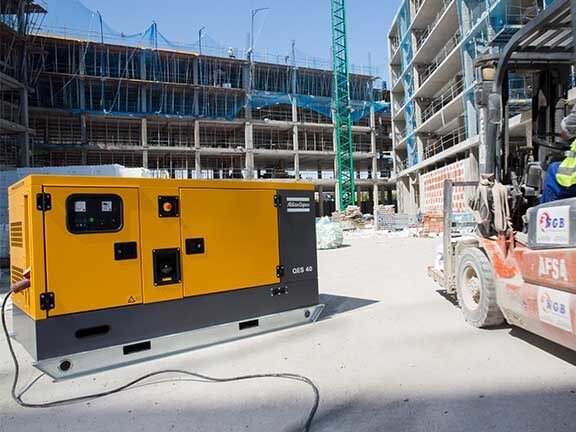
Safety Tips for Operating Generators on Construction Sites
Ensuring the safe operation of construction site generators is paramount to protect workers and prevent accidents. From correct installation to proper use, adhering to safety guidelines is essential. Here are crucial safety tips for operating generators on construction sites:
Best Practices for Installation and Operation
- Placement: Always position the generator outdoors and away from any openings to prevent carbon monoxide poisoning. Ensure it's placed on a stable, flat surface to avoid tipping over.
- Ventilation: Generators produce harmful gases; therefore, adequate ventilation is crucial to dissipate these gases effectively.
- Weather Protection: Protect the generator from direct exposure to rain or snow, which could lead to electrical hazards. However, ensure the enclosure allows for proper airflow.
Preventing Common Hazards
- Electrical Safety: Use heavy-duty, outdoor-rated extension cords with a wire gauge adequate for the appliance load. Ensure that all cords are intact and free from cuts or tears.
- Fuel Safety: Never refuel a hot or running generator; always allow it to cool down first to prevent fires. Store fuel in approved containers, away from living areas or the generator itself.
- Grounding: Ground the generator to avoid electrical shocks. This is particularly crucial in damp conditions and on construction sites where the risk of electrical hazards is higher.
Industry safety expert, Linda Harris, emphasizes the importance of education and training: "Educating your team on the best practices for operating generators is as crucial as the safety features of the equipment itself. A well-informed team can significantly reduce the risk of accidents and improve the overall safety of the construction site."
Routine Checks and Safety Measures
- Regular Inspections: Before each use, inspect the generator for any signs of wear, damage, or leaks. Ensure that all components are in good working condition.
- Emergency Preparedness: Equip the site with fire extinguishers and first-aid kits. Ensure all workers know how to respond in case of an emergency involving the generator.
- Noise Protection: Generators can be loud, potentially causing hearing damage over time. Provide appropriate hearing protection to workers operating near the generator.
Following these safety guidelines can mitigate risks associated with generator use on construction sites. Prioritizing safety ensures not only the wellbeing of the workforce but also the smooth operation of construction projects. Adhering to manufacturer’s guidelines and local safety regulations is essential in maintaining a secure working environment.
Maintenance and Care of Construction Site Generators
To ensure the reliable operation of a construction site generator, routine maintenance and care are imperative. These practices not only extend the lifespan of the generator but also prevent operational failures that could lead to costly downtime on construction projects. Here’s a guide to maintaining and troubleshooting common generator problems.
Routine Maintenance Schedule
Adhering to a routine maintenance schedule is key to the longevity and efficiency of your construction site generator. This includes regular oil changes, replacing air and fuel filters, and ensuring the cooling system is functioning correctly. For a diesel generator for construction site, checking and cleaning the fuel injectors periodically can prevent power output issues.
Portable generators for construction sites require special attention due to their mobility and varied usage conditions. Ensuring that moving parts are lubricated and that the generator is cleaned after each use can prevent wear and tear.
Troubleshooting Common Generator Problems
Even with diligent maintenance, generators may experience issues. Being able to identify and troubleshoot common problems can save time and resources. Some frequent issues include:
- Failure to start: This could be due to low fuel levels, battery failure, or issues with the starter mechanism. Regular checks and maintaining a clear fuel line can mitigate this issue.
- Inconsistent power supply: Causes might include overloaded capacity or issues with the alternator. Reviewing the load and ensuring it does not exceed the generator's capacity is crucial.
- Overheating: Often a result of blocked air filters or a failing cooling system. Regular cleaning and replacing air filters can prevent overheating.
Generator for building site maintenance also involves preparing the unit for adverse weather conditions, especially for outdoor sites prone to rain, snow, or extreme temperatures. Using weatherproof covers and ensuring the generator is placed on a stable, level surface can protect it from environmental damage.
Industry expert, James Peterson, a mechanical engineer with extensive experience in power systems, underscores the importance of regular maintenance: "A well-maintained construction site generator is not just about reliability; it's also about safety. Regular checks and servicing can prevent hazards related to emissions, fire, and electrical faults, ensuring a safe working environment."
In summary, establishing a consistent maintenance routine and being proactive in troubleshooting can significantly enhance the performance and reliability of your construction site generator. By investing time in the care of your generator, you ensure it remains a dependable power source, supporting the seamless progression of your construction projects.
Innovations in Construction Site Power Generation
The landscape of power generation on construction sites is witnessing a transformative shift, driven by technological innovations and a growing emphasis on sustainability. These advancements are not only making construction site generators more efficient and environmentally friendly but are also introducing alternative power solutions that could redefine how energy is supplied on sites.
Solar-Powered Generators and Sustainable Solutions
One of the most significant innovations in construction site power generation is the advent of solar-powered generators. These generators harness renewable energy, reducing reliance on fossil fuels and minimizing carbon emissions. Their application on construction sites represents a leap towards sustainability, offering a clean, inexhaustible power source. Moreover, integrating solar power with traditional diesel generators for construction sites in a hybrid model can optimize fuel usage and further reduce environmental impact.
Technological Advancements in Generator Design
Technological advancements are also evident in the design and operation of traditional generators. Features like improved fuel efficiency, reduced noise levels (silent genset), and enhanced portability are becoming standard. Moreover, smart generators equipped with IoT capabilities allow for remote monitoring and management, ensuring optimal performance and foreseeing potential issues before they lead to downtime.
Developments in battery storage technology are complementing these innovations. High-capacity batteries can store excess power generated by solar panels or generators, providing a reliable backup that can be particularly useful during non-operational hours or in emergency situations.
The Impact of Innovations on Construction Sites
These innovations are making it possible to tailor power generation solutions to the specific needs of a construction site, considering factors like project duration, location, and environmental goals. For instance, a portable generator for construction site use can now be more fuel-efficient, quieter, and easier to move, addressing past logistical challenges.
Renowned energy expert Dr. Linda Zhou comments on the impact of these innovations: "The integration of renewable energy sources and advancements in generator technology are not just enhancing the efficiency and sustainability of construction projects. They're also contributing to the industry's broader environmental responsibility, aligning with global sustainability goals."
In summary, the future of construction site power generation looks promising, with innovations leading the way towards more efficient, sustainable, and adaptable solutions. As the industry continues to evolve, these advancements will play a crucial role in shaping the construction sites of the future, making them greener, more efficient, and less reliant on traditional power sources.

Cost-Benefit Analysis of Using Generators on Construction Sites
The decision to invest in a construction site generator involves weighing the initial costs against the long-term benefits and savings. Conducting a thorough cost-benefit analysis is crucial for construction managers and project owners to ensure that the investment aligns with the project's budgetary constraints and operational needs.
Evaluating the Financial Implications
The initial cost of a generator for a building site can vary widely depending on its capacity, fuel type, and additional features like portability and noise reduction. For instance, a diesel generator for construction site use might have a higher upfront cost compared to a gasoline generator, but the former is often more fuel-efficient and durable, leading to lower operational costs over time.
Long-Term Savings and ROI
Investing in a construction site generator can lead to significant long-term savings. Reliable power supply ensures that construction activities are not delayed by power outages, which can lead to costly downtime. Furthermore, choosing a generator with high fuel efficiency, such as a diesel generator, can minimize fuel costs, especially on long-term projects.
Incorporating innovations in construction site power generation, like solar-powered generators or hybrid systems, can further enhance savings by reducing reliance on expensive fossil fuels. The initial higher investment in these technologies often pays off through reduced operational expenses and potential tax incentives for using renewable energy sources.
Case Studies: Real-World Financial Benefits
Real-world examples underscore the financial benefits of carefully selected generators. For example, a construction project that opted for a solar-powered generator combined with a diesel genset reported a 30% reduction in fuel costs over the project's lifespan. Another case involved a construction company that invested in a high-capacity, fuel-efficient diesel generator, resulting in a 20% decrease in overall project operational costs due to reduced fuel consumption and maintenance expenses.
Making the Informed Decision
Financial expert and construction consultant, Michael Andrews, advises, "When considering a generator for your construction site, look beyond the purchase price. Assess the total cost of ownership, including fuel consumption, maintenance costs, and the potential impact on project timelines. An informed decision can translate into substantial cost savings and a strong return on investment."
In conclusion, a comprehensive cost-benefit analysis of using generators on construction sites reveals that the right investment can offer substantial financial benefits. By carefully considering the initial costs, operational expenses, and potential savings associated with different types of generators, construction managers can select a power generation solution that enhances efficiency, minimizes costs, and supports the successful completion of their projects.
Case Studies: Successful Implementation of Generators in Construction
Exploring real-world case studies where construction site generators have been successfully implemented offers valuable insights into their practical applications, benefits, and best practices. These examples not only illustrate the crucial role of generators in construction projects but also highlight innovative solutions and strategic planning that ensured project success.
Case Study 1: High-Rise Building Construction
In a high-rise building project in a densely populated urban area, continuous power was essential for operating heavy machinery and ensuring the safety of construction processes. The project utilized a diesel generator for construction site needs, specifically chosen for its reliability and high power output. The generator ensured uninterrupted power for cranes, concrete pumps, and lighting, significantly reducing potential delays. The project's success underscored the importance of selecting a generator for building site operations based on specific power needs and site conditions.
Case Study 2: Remote Infrastructure Project
A remote bridge construction project faced challenges in accessing grid power, making generators a critical component of the project's infrastructure. The project employed several portable generators for construction site use, allowing for flexibility in moving power sources as work progressed across different sections of the bridge. The use of portable diesel generators provided the necessary durability and fuel efficiency, highlighting the benefits of portable power solutions in remote and challenging environments.
Case Study 3: Eco-Friendly Construction Project
An eco-friendly residential development aimed to minimize its environmental impact, including how its power needs were met on-site. The project integrated solar-powered generators with traditional diesel gensets in a hybrid system, significantly reducing reliance on fossil fuels. This approach not only lowered operational costs but also aligned with the project's sustainability goals. The success of this project demonstrated the potential of combining renewable energy sources with traditional generators for a more sustainable construction process.
Lessons Learned and Best Practices
These case studies reveal several key lessons and best practices in implementing construction site generators:
- Tailoring the choice of generator to the specific needs of the project, considering factors such as power requirements, site conditions, and environmental goals.
- The value of portability in generators, especially for projects that cover extensive areas or have changing power needs.
- The potential of integrating renewable energy sources with traditional generators to reduce environmental impact and operational costs.
Industry expert, Sarah Johnson, a civil engineer with experience in sustainable construction practices, reflects on these case studies: "The strategic use of generators in construction projects can significantly enhance efficiency, reduce costs, and even contribute to environmental sustainability goals. These real-world examples provide a blueprint for future projects, showcasing the importance of innovative thinking and careful planning in power generation."
In conclusion, these case studies of successful generator implementation in construction highlight the adaptability, efficiency, and potential for innovation in meeting the power needs of diverse projects. By learning from these examples, construction managers and project planners can make informed decisions that contribute to the success and sustainability of their projects.
Regulatory Considerations for Using Generators on Construction Sites
The use of construction site generators is subject to various regulatory considerations that aim to ensure safety, environmental protection, and compliance with local and national standards. Navigating these regulations is essential for construction project managers to avoid legal issues and promote a responsible and sustainable construction environment.
Compliance with Local and National Standards
Construction projects must adhere to specific standards and regulations regarding generator use, which can vary by region. These standards often cover generator installation, operation, and emissions. For example, diesel generators for construction sites might be subject to emissions regulations set by environmental protection agencies, requiring the use of low-emission models or the implementation of emissions control technologies.
Environmental Regulations and Noise Restrictions
Environmental considerations are increasingly becoming a priority in the regulation of construction activities. This includes the regulation of generator emissions to minimize their impact on air quality. Gas generators and hybrid power generators that produce lower emissions are becoming more favorable under these regulations. Additionally, noise restrictions may apply to generator use, especially in urban or residential areas, necessitating the use of silent genset models or noise attenuation measures.
Safety Regulations
Safety is another critical aspect of generator use on construction sites, with regulations covering everything from fuel storage to electrical connections. Ensuring that portable generators for construction sites are placed on stable, non-combustible surfaces and are correctly grounded is vital. Electrical safety standards may also dictate how generators are connected to construction site electrical systems to prevent accidents and ensure the safety of construction workers.
David Thompson, a safety officer with experience in construction site safety, emphasizes the importance of compliance: "Adhering to regulatory requirements for generator use on construction sites is not just about avoiding fines or legal issues; it's about ensuring the safety and health of construction workers and minimizing the project's environmental impact. Understanding and implementing these regulations is a crucial aspect of responsible construction management."
Navigating Regulatory Compliance
To navigate these regulatory considerations effectively, construction project managers should:
- Stay informed about local and national regulations that apply to generator use on construction sites.
- Choose generators that meet or exceed regulatory requirements for emissions and noise.
- Implement best practices for generator safety, including proper installation, operation, and maintenance.
- Consult with legal and environmental experts when planning generator use for complex projects or in sensitive areas.
In conclusion, understanding and adhering to regulatory considerations is essential for the successful and responsible use of generators on construction sites. By staying informed and proactive in compliance efforts, construction project managers can ensure that their projects proceed smoothly, safely, and sustainably.
Conclusion: Enhancing Construction Site Efficiency with Generators
In conclusion, the strategic selection and use of construction site generators play a pivotal role in enhancing the efficiency, safety, and sustainability of construction projects. From ensuring uninterrupted power supply for critical tasks to meeting the stringent demands of remote and challenging environments, generators have proven to be indispensable assets on construction sites.
The comprehensive exploration of generator types, safety practices, maintenance routines, and regulatory considerations provides a roadmap for construction professionals to make informed decisions. Whether opting for a diesel generator for construction site use for its robustness and efficiency, or a portable generator for construction site applications for flexibility, the key lies in matching the generator to the specific needs of the project.
Innovations in generator technology, particularly in fuel efficiency, emissions reduction, and integration with renewable energy sources, are set to further revolutionize how power needs are met on construction sites. These advancements promise not only to improve operational efficiencies but also to contribute to the construction industry's environmental stewardship.
Reflecting on the importance of generators in construction, renowned construction manager Elizabeth Nguyen stated, "Generators are not just about power; they're about ensuring progress, safety, and environmental responsibility. The right generator can make all the difference in keeping a project on track and making sustainable choices for the future."
As the construction industry continues to evolve, the role of generators remains central. By adhering to best practices in selection, operation, and maintenance, and staying abreast of technological and regulatory developments, construction professionals can leverage generators to enhance site efficiency and contribute to successful project outcomes. Looking ahead, the continued innovation in construction site power generation will undoubtedly provide even more effective and sustainable solutions, marking a bright future for the industry.