



Data Center Backup Power Generators are essential components in maintaining the operational continuity of data centers, which are the backbone of the digital economy. These generators ensure that data centers can keep running during power outages, mitigating the risk of data loss, service downtime, and the associated financial implications. They are a critical safeguard against the vulnerabilities of the power grid, providing a reliable power source to support critical operations and services that depend on uninterrupted power supply.
The technology behind Data Center Backup Power Generators has evolved to meet the growing demands for energy efficiency, environmental sustainability, and regulatory compliance. Modern backup power solutions not only focus on providing immediate emergency power but also on integrating with renewable energy sources, optimizing fuel efficiency, and reducing emissions. This evolution reflects the data center industry's commitment to maintaining robust operational capabilities while addressing the challenges of sustainability and environmental stewardship.
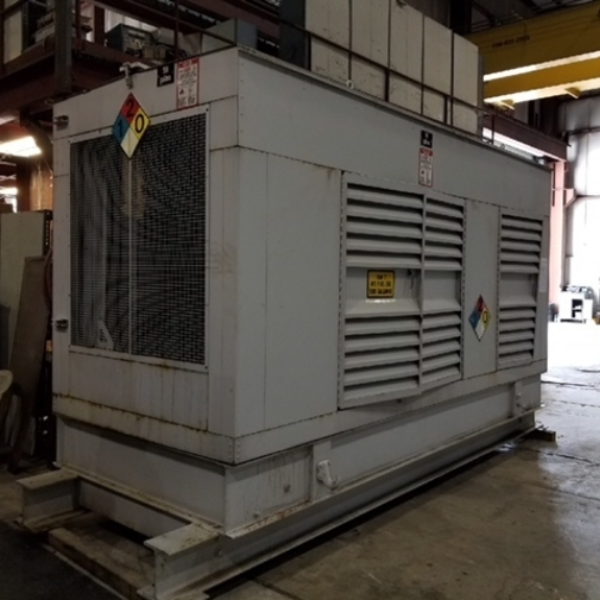
Data Center Backup Power Generators Recommend Products

Data Center Backup Power Generators Detail Introduction
Introduction to Data Center Operations
In the digital age, Data Center Backup Power Generators play a pivotal role in ensuring the seamless operation of modern infrastructure. Data centers, the backbone of our internet, telecommunications, and cloud storage services, require a continuous and reliable power supply to handle vast amounts of data 24/7. The dependency of businesses, governments, and individuals on data centers underscores the critical importance of these facilities in our daily lives.
The power needs for data centers are substantial and complex. To maintain operations, data centers consume a significant amount of electricity, not just for computing, but also for cooling systems that prevent overheating. The Uptime Institute highlights that a typical data center can use enough electricity to power 3,000 average-sized homes. This immense power requirement places a premium on the reliability of power sources and, crucially, on the Data Center Backup Power Generators that ensure operations continue uninterrupted during power outages.
The role of Data Center Backup Power Generators extends beyond mere emergency preparedness; they are a fundamental component of data center resilience and operational integrity. As we delve deeper into the specifics of backup power generators, their types, features, and the best practices for their operation, it becomes clear that choosing the right backup power solution is not just a technical decision but a strategic one that impacts the overall effectiveness and reliability of data center operations.
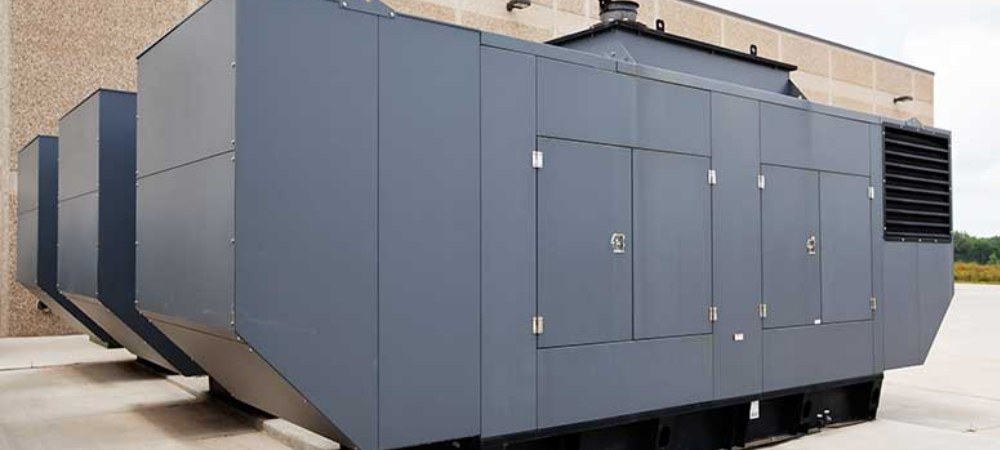
Data Center Backup Power Generators
images source:https://www.missioncriticalmagazine.com/articles/93902-capex-vs-opex-data-center-operators-shift-their-focus
Understanding the Importance of Backup Power Generators
The reliance on digital services means that power outages can have far-reaching consequences, affecting everything from financial transactions to emergency services. Data Center Backup Power Generators stand as a critical safeguard, ensuring that data centers can continue to operate effectively even in the face of power disruptions. The importance of these systems cannot be overstated, especially when considering the potential costs of downtime. According to a report by Gartner, the average cost of IT downtime is approximately $5,600 per minute, which varies by industry but underscores the high stakes involved.
Power outages, whether due to natural disasters, equipment failures, or other disruptions, can result in significant operational, financial, and reputational damage. Backup Power Generators play a vital role in mitigating these risks by providing an immediate source of power that keeps data centers running smoothly. Their deployment allows for continuous access to critical data, maintaining the flow of information that businesses and services depend on.
Incorporating Cummins Electric Generator technology into Data Center Backup Power Generators brings a new level of reliability and efficiency to these essential systems. Cummins, a world leader in power generation equipment, offers generators that are not only robust and reliable but also feature advanced technologies that optimize performance and minimize environmental impact. The integration of Cummins Electric Generators into data center backup power solutions ensures that data centers can rely on a stable and continuous power supply, even under the most challenging conditions.
Moreover, the role of Backup Power Generators extends into risk management and regulatory compliance. Many sectors, particularly those involving healthcare, finance, and critical infrastructure, are subject to strict regulations regarding data availability and integrity. Failure to comply due to inadequate backup power solutions can lead to legal consequences and fines, further highlighting the importance of reliable backup systems.
Data Center Backup Power Generators are not just a technical requirement but a strategic asset that underpins the operational resilience of modern digital infrastructure. Their ability to ensure uninterrupted operations not only protects against financial loss but also supports the continuous delivery of services that society relies upon. As we progress further into the digital era, the significance of these backup systems will only grow, emphasizing the need for careful selection, installation, and maintenance to safeguard data center operations against the unexpected.
What types of generators are there in data centers?
Diesel, biodiesel, and natural gas have different advantages and disadvantages, depending on your needs and environment. Understanding these will help you choose the right unit for your application.
What is the difference between a generator and a DC generator?
Difference between alternator and dc generator in tabular form - BYJU'S
An alternator is a mechanical device that converts mechanical energy into alternating current electrical energy. A DC generator is a mechanical device that converts mechanical energy into DC electrical energy. In an alternator, the current reverses direction periodically.
Does the data center have backup generators?
Generators are one of the most critical components in data center operations. If a power outage occurs in the data center, power should be immediately supplied by a backup generator.
What is data center backup power?
The Importance of Data Center Backup Power - Woodstock Power
Backup generators provide power when the main power supply is interrupted. Unfortunately, many data center components cannot easily handle power spikes due to switching from normal to emergency power. When these components lose power, even temporarily, it usually requires a reboot of the entire system.
Key Features of Reliable Backup Generators for Data Centers
When considering Data Center Backup Power Generators, there are several key features that ensure their reliability and effectiveness in supporting uninterrupted data center operations. These features are critical for data centers to maintain operational integrity during power outages, thereby safeguarding the data and services that our digital society relies upon.
Power Capacity and Scalability
One of the foremost considerations is the generator's power capacity, which must match or exceed the data center's energy requirements. It's essential for data centers to conduct a thorough analysis of their power usage and future growth projections to select generators that can not only meet current demands but are also scalable to accommodate future expansions. This forward-looking approach is crucial in a rapidly evolving digital landscape where data consumption and processing needs continuously grow.
Fuel Efficiency and Environmental Considerations
Data Center Backup Power Generators are not just evaluated on their capacity but also on their fuel efficiency and environmental impact. With increasing focus on sustainability, data centers are under pressure to reduce their carbon footprint. Generators that offer higher fuel efficiency not only lower operational costs but also contribute to environmental sustainability efforts. Moreover, adherence to environmental regulations and standards is a must, making eco-friendly generators a preferred choice for future-proofing data center operations.
Durability and Maintenance Requirements
Durability and ease of maintenance are pivotal in minimizing downtime and ensuring that backup generators are ready when needed. High-quality generators designed for longevity with robust materials and advanced engineering can withstand the rigorous demands of continuous operation. Regular maintenance is essential to ensure optimal performance, and generators with simplified maintenance requirements can significantly reduce the risk of unforeseen failures. Advanced diagnostic tools and remote monitoring capabilities can further enhance maintenance effectiveness, allowing for preemptive actions to avoid potential issues.
Selecting Data Center Backup Power Generators with these key features involves a careful consideration of the data center's specific needs, future growth projections, and environmental sustainability goals. The right backup power solution not only ensures uninterrupted operations during power outages but also aligns with broader operational efficiency and environmental responsibility objectives. As we move forward, the importance of these features will only grow, highlighting the critical role of reliable backup generators in the infrastructure of data centers.
Types of Backup Power Generators
In the realm of Data Center Backup Power Generators, understanding the various types available is crucial for selecting the right backup power solution tailored to a data center's specific needs. Each type of generator comes with its own set of advantages and considerations, ranging from fuel source to operational efficiency and environmental impact.
Diesel Generators
Diesel generators are a common choice for data centers due to their reliability and high-power output. They can quickly start up and reach full load capacity in a matter of seconds, making them an excellent option for emergency backup power. However, diesel generators require regular maintenance to ensure peak performance and must comply with environmental regulations concerning emissions. Despite these considerations, their durability and efficiency make them a preferred choice for many data centers.
Gasoline Generators
Gasoline generators are less commonly used in data centers due to their lower efficiency and higher running costs compared to diesel and natural gas options. While they may be suitable for small-scale applications or temporary needs, their volatility and the logistics of fuel storage often outweigh their benefits for critical data center operations.
Natural Gas Generators
Natural gas generators offer a cleaner alternative to diesel, producing fewer emissions and benefiting from the extensive natural gas distribution infrastructure in many regions. These generators can provide a reliable power source for data centers, especially where environmental considerations are paramount. However, their dependence on the gas supply network can be a vulnerability during widespread power outages or natural disasters.
Hybrid and Renewable Energy Systems
Hybrid systems combine traditional generators with renewable energy sources, such as solar panels or wind turbines, to create a more sustainable and resilient backup power solution. These systems can reduce fuel consumption and emissions while leveraging the reliability of generators. The integration of battery storage can further enhance the system's effectiveness, storing renewable energy for use during outages or peak demand periods.
Choosing the right type of Data Center Backup Power Generator involves balancing several factors, including the data center's power requirements, environmental impact considerations, fuel availability, and cost-effectiveness. As technology advances, the trend towards more sustainable and efficient backup power solutions is becoming increasingly important, pushing the boundaries of traditional generator technology and leading the way to greener and more resilient data center operations.
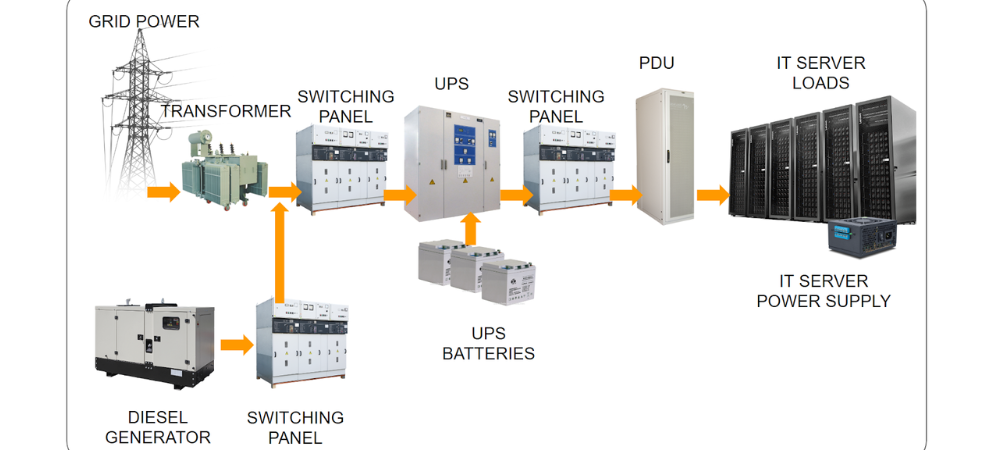
Detailed diagram
images source:https://www.datacenterdynamics.com/en/opinions/fuel-management-problems-could-be-causing-downtime/
Assessing the Power Requirements of a Data Center
Determining the power requirements for a data center is a critical step in ensuring that Data Center Backup Power Generators are adequately sized and capable of supporting operations during an outage. This assessment not only involves calculating the current power usage but also projecting future needs to ensure scalability and resilience.
Calculating Power Usage Effectiveness (PUE)
The Power Usage Effectiveness (PUE) is a widely used metric that helps data centers measure their energy efficiency. PUE is calculated by dividing the total amount of power entering a data center by the power used by its IT equipment. The closer the PUE number is to 1, the more efficient the data center. Understanding PUE is essential for data centers aiming to optimize their energy use and reduce operational costs. It also plays a critical role in determining the sizing of Data Center Backup Power Generators, as it provides insight into the actual power needs of IT equipment versus auxiliary systems like cooling and lighting.
Determining Backup Power Needs
After establishing the data center's energy efficiency, the next step is to determine the backup power needs. This involves a comprehensive analysis of all critical systems and equipment that must remain operational during a power outage. Data centers need to account for not just their current power usage but also anticipated growth to ensure the backup generators can handle future expansions. Factors such as IT load, cooling requirements, and potential peak power usage spikes must be considered to select a backup power solution that can provide uninterrupted service under all conditions.
Ensuring that Data Center Backup Power Generators have the capacity to meet these needs is paramount. This involves not just the ability to power the data center's critical load but also the flexibility to scale up as the facility grows. Moreover, data centers must consider the duration for which backup power is required. Some situations may necessitate extended operations on backup power, influencing the choice of generator size and fuel storage capacity.
In summary, assessing the power requirements of a data center is a complex but essential process that influences the selection and sizing of backup power generators. It ensures that data centers are prepared to maintain operations during outages, safeguarding the data and services they provide. As data centers continue to evolve and grow, this assessment will remain a critical component of operational planning and resilience strategy.
Installation and Integration of Backup Generators
The installation and integration of Data Center Backup Power Generators are critical phases that ensure the readiness and reliability of backup power systems. Proper planning and execution during these stages are paramount for achieving seamless operation during power outages.
Planning for Installation
The first step in the installation process involves meticulous planning. This includes selecting the optimal location for the generators, taking into account factors such as accessibility for maintenance, fuel supply logistics, and compliance with local building codes and environmental regulations. It's crucial to conduct a detailed analysis of the data center's layout and existing power infrastructure to identify the best integration points and minimize disruption to operations.
During this planning phase, data centers should also consider the potential need for future expansion. Selecting a modular generator system can offer the flexibility to add capacity as demand increases. Moreover, planning should encompass all necessary safety and security measures to protect the equipment and personnel.
Integration with Existing Power Infrastructure
Integrating Data Center Backup Power Generators with the existing power infrastructure requires careful coordination to ensure compatibility and efficiency. This includes connecting the generators to the data center's electrical system through automatic transfer switches (ATS) that detect power outages and seamlessly switch to backup power.
A critical aspect of integration is ensuring that the generator's output aligns with the data center's power quality requirements. This may involve incorporating power conditioning equipment to stabilize voltage and frequency, ensuring the smooth operation of sensitive IT equipment.
Testing and Commissioning
Once installed and integrated, thorough testing and commissioning of backup generators are essential. This process verifies that all components function correctly and that the system meets the specified performance criteria. Testing should include load bank testing, which simulates the electrical load of the data center to validate the generator's capacity and performance under real-world conditions.
Commissioning also involves reviewing and documenting operational procedures, training data center staff on emergency protocols, and ensuring that all safety and maintenance guidelines are established. This comprehensive approach ensures that Data Center Backup Power Generators are fully prepared to provide reliable backup power when needed, safeguarding data center operations against power interruptions.
By adhering to these steps, data centers can ensure that their backup power systems are correctly installed, integrated, and ready to support uninterrupted operations, highlighting the importance of careful planning, execution, and testing in the overall resilience strategy.
Operational Best Practices for Backup Generators
Ensuring the reliability of Data Center Backup Power Generators requires adherence to operational best practices. These practices are critical for maintaining generator readiness and operational efficiency, ultimately ensuring uninterrupted data center operations during power outages.
Routine Maintenance and Inspections
Regular maintenance and inspections are foundational to the reliability of backup generators. This includes checking engine oil levels, coolant levels, battery condition, and fuel system integrity. Scheduled maintenance should follow the manufacturer's recommendations to address wear and tear and replace parts that are prone to degradation over time. This proactive approach can significantly reduce the risk of generator failure when it's needed most.
Load Testing Procedures
Load testing is an essential practice for verifying that backup generators can perform as expected under operational loads. Conducting annual load tests at or near full capacity for a specified duration helps ensure that the generator can handle the data center's power requirements during an outage. Load testing also helps identify potential issues with generator performance, fuel consumption, and heat dissipation, allowing for corrective actions before actual emergency situations arise.
Monitoring Systems and Technologies
Advanced monitoring systems play a crucial role in the operational oversight of Data Center Backup Power Generators. These systems enable real-time tracking of generator performance, fuel levels, and operational parameters, facilitating early detection of anomalies that could indicate potential issues. Integration with data center management systems allows for automated alerts and actions, ensuring that backup power systems are always ready to seamlessly take over in the event of a power failure.
Implementing these operational best practices for backup generators is not just about maintaining the equipment; it's about ensuring the resilience and reliability of data center operations. Regular maintenance and inspections, thorough load testing, and advanced monitoring are all critical components of a comprehensive backup power strategy. By adhering to these best practices, data centers can minimize the risk of downtime and maintain continuous operations, even in the face of power outages.
Challenges in Implementing Backup Power Solutions
Implementing Data Center Backup Power Generators comes with its set of challenges, ranging from spatial constraints to regulatory compliance and financial considerations. Understanding these challenges is crucial for data centers aiming to bolster their operational resilience through reliable backup power systems.
Space and Location Constraints
One of the primary challenges in deploying backup generators is the availability of space. Data centers, especially in urban areas, may face limitations in terms of available land or rooftop space for installing large generator units. Additionally, the location must allow for safe exhaust venting and adhere to zoning regulations, which can further complicate installation efforts.
Noise and Emission Regulations
Backup generators, particularly diesel models, can produce significant levels of noise and emissions. This poses a challenge in regions with strict environmental and noise regulations. Data centers must navigate these regulations by selecting generators that meet emission standards and implementing noise-reduction measures, such as acoustic enclosures, which can add to the complexity and cost of installation.
Initial Investment and Operational Costs
The upfront cost of acquiring and installing backup power generators can be substantial. In addition to the purchase price, data centers must account for the costs associated with constructing supporting infrastructure, such as fuel storage facilities and electrical connections. Operational costs, including fuel, maintenance, and periodic testing, also contribute to the total cost of ownership. Balancing these costs with the need for reliability and uptime is a significant challenge for many organizations.
Despite these challenges, the importance of Data Center Backup Power Generators cannot be overstated. The potential cost of downtime due to power outages can far exceed the investment in a robust backup power solution. To navigate these challenges, data centers can explore various strategies, such as leveraging modular or scalable generator solutions to accommodate space constraints, investing in cleaner generator technologies to comply with emission regulations, and carefully planning maintenance and fuel management to optimize operational costs.
Addressing these challenges requires a strategic approach that considers the unique needs and constraints of each data center. By prioritizing reliability and resilience, data centers can ensure uninterrupted operations, safeguarding the critical digital infrastructure that businesses and consumers rely on.
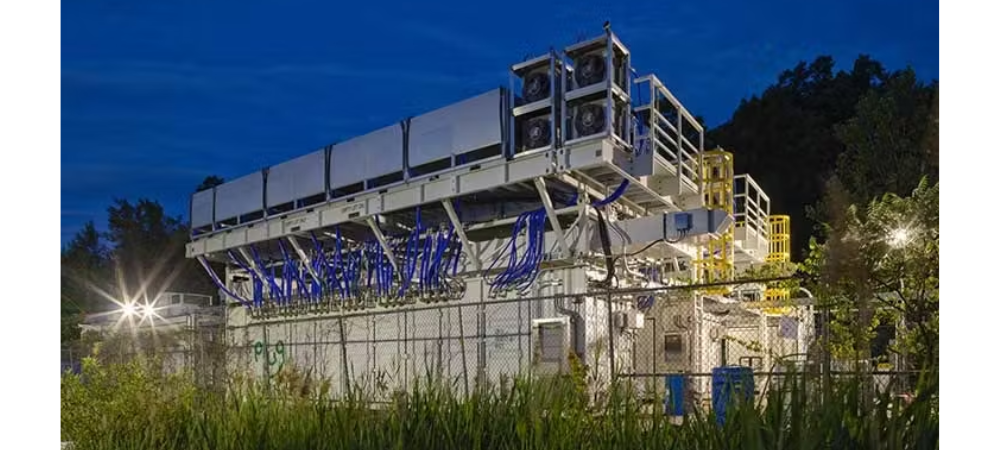
Data Center
Case Studies: Successful Implementation of Backup Generators in Data Centers
Examining real-world examples of Data Center Backup Power Generators in action can provide valuable insights into best practices and strategies for successful implementation. These case studies highlight the importance of reliable backup power solutions in maintaining uninterrupted data center operations.
Case Study 1: Major Cloud Service Provider
A leading cloud service provider faced the challenge of ensuring uninterrupted service across its global network of data centers. The solution involved deploying a combination of diesel and natural gas generators, equipped with advanced emission control technologies to meet stringent environmental standards. The company implemented a rigorous maintenance schedule, complemented by real-time monitoring systems, to ensure generator readiness at all times. This approach not only ensured reliability but also demonstrated a commitment to sustainability.
Case Study 2: Financial Services Data Center
For a financial services data center, where even a brief interruption could result in significant financial losses, a multi-layered backup power strategy was essential. The data center utilized high-capacity diesel generators with an automated failover system. To address potential fuel supply disruptions, the data center established contracts with multiple fuel suppliers and maintained a large on-site fuel reserve. Regular load testing and emergency drills ensured that the backup system could perform seamlessly under various scenarios.
Lessons Learned and Best Practices
These case studies underscore several best practices in backup power implementation:
- Diversification of Power Sources: Combining different types of generators can provide flexibility and reduce dependency on a single fuel source.
- Emission Control and Environmental Compliance: Investing in generators with lower emissions and implementing control technologies are crucial for meeting regulatory requirements and minimizing environmental impact.
- Rigorous Maintenance and Testing: Regular maintenance and testing are indispensable for ensuring generator reliability. Incorporating real-time monitoring can further enhance operational readiness.
- Strategic Fuel Management: Establishing robust fuel supply arrangements and maintaining adequate fuel reserves are critical for long-term resilience.
The successful implementation of Data Center Backup Power Generators in these case studies demonstrates that with careful planning, investment in the right technologies, and adherence to best practices, data centers can achieve a high level of operational resilience. These examples serve as a roadmap for other data centers aiming to enhance their backup power solutions, emphasizing the importance of reliability, sustainability, and preparedness in today's digital landscape.
Diversification of Power Sources: | Combining different types of generators can provide flexibility and reduce dependency on a single fuel source. |
Emission Control and Environmental Compliance: | Investing in generators with lower emissions and implementing control technologies are crucial for meeting regulatory requirements and minimizing environmental impact. |
Rigorous Maintenance and Testing: | Regularmaintenance and testing are indispensable for ensuring generator reliability. Incorporating realtime monitoring can further enhance operational readiness. |
Strategic Fuel Management: | Establishing robust fuel supply arrangements and maintaining adequate fuel reserves are critical for longterm resilience. |
Future Trends in Data Center Backup Power Solutions
The landscape of Data Center Backup Power Generators is evolving, driven by technological advances, environmental concerns, and the ever-increasing demand for data center services. These future trends indicate a shift towards more sustainable, efficient, and resilient backup power solutions.
Advances in Generator Technology
Innovations in generator design and operation are enhancing their efficiency, reliability, and environmental performance. For instance, developments in fuel cell technology offer a cleaner alternative to traditional diesel generators, with lower emissions and noise levels. Additionally, the integration of smart technologies allows for real-time monitoring and predictive maintenance, reducing downtime and extending the lifespan of backup power equipment.
The Growing Role of Renewable Energy Sources
Renewable energy is playing an increasingly significant role in data center backup power strategies. Solar panels, wind turbines, and battery storage systems are being integrated with conventional generators to create hybrid systems. These systems not only reduce reliance on fossil fuels but also offer the potential for data centers to operate off-grid or in a net-zero energy mode, aligning with global sustainability goals.
Impact of Regulatory Changes
Environmental regulations are becoming stricter, pushing data centers to adopt cleaner backup power solutions. Regulatory changes are encouraging the adoption of low-emission generators, renewable energy, and energy-efficient technologies. Data centers must stay abreast of these regulations to ensure compliance and avoid potential penalties, driving the shift towards more environmentally friendly backup power solutions.
Increasing Use of Artificial Intelligence and Machine Learning
Artificial intelligence (AI) and machine learning (ML) technologies are being applied to optimize the operation and maintenance of backup power systems. These technologies can predict potential failures, optimize fuel consumption, and manage load distribution more efficiently. By harnessing AI and ML, data centers can improve the reliability and efficiency of their backup power solutions, ensuring uninterrupted operations while minimizing operational costs.
The future of Data Center Backup Power Generators is characterized by a move towards sustainability, enhanced efficiency, and the incorporation of advanced technologies. These trends reflect the data center industry's commitment to meeting the growing demand for digital services while addressing environmental concerns and regulatory requirements. As these trends continue to evolve, they will shape the development of backup power solutions that are not only reliable but also aligned with the principles of sustainability and innovation.
Evaluating Vendors and Solutions for Backup Power Generators
Selecting the right vendor and backup power solution for Data Center Backup Power Generators is a critical decision that affects a data center's resilience, operational efficiency, and environmental impact. This evaluation process involves considering a variety of factors to ensure that the chosen solution meets the specific needs of the data center while aligning with industry best practices and sustainability goals.
Criteria for Selecting a Vendor
- Reputation and Reliability: A vendor's reputation for quality, reliability, and customer service is paramount. Data centers should seek vendors with a proven track record of delivering high-performance backup power solutions and exemplary after-sales support.
- Technological Innovation: Vendors that invest in research and development to offer the latest in generator technology, including fuel efficiency, emission reduction, and integration with renewable energy sources, are preferable. These innovations can enhance the sustainability and efficiency of data center operations.
- Compliance with Standards and Regulations: It's crucial to choose vendors whose products comply with relevant industry standards and environmental regulations. This ensures that the backup power solutions not only provide reliable performance but also minimize the environmental footprint of the data center.
- Customization and Scalability: The ability of a vendor to customize solutions to fit the unique requirements of a data center, as well as to scale solutions in line with future growth, is essential for long-term resilience and flexibility.
- Cost-Effectiveness: While cost should not be the sole determining factor, evaluating the total cost of ownership, including initial purchase, installation, maintenance, and operational costs, is important for making an economically viable choice.
Comparing Different Generator Models and Features
- Fuel Type: The choice between diesel, natural gas, or hybrid generators involves weighing factors such as fuel availability, cost, and environmental impact. Each fuel type has its advantages and considerations.
- Power Capacity: The generator's capacity must match the data center's power requirement, with room for scalability to accommodate future growth.
- Efficiency and Emissions: Generators with higher fuel efficiency and lower emissions are preferable for minimizing operational costs and environmental impact.
- Maintenance and Reliability: Features that enhance reliability, such as redundancy, and ease of maintenance, can significantly affect the generator's performance and the data center's uptime.
Evaluating vendors and backup power solutions involves a comprehensive analysis of these factors to find the best match for a data center's needs. This process not only ensures the reliability and efficiency of backup power but also supports the broader goals of sustainability and regulatory compliance in data center operations. The choice of vendor and solution is a strategic decision that can have long-term implications for the resilience and sustainability of data center operations.
Reputation and Reliability: | A vendor's reputation for quality, reliability, and customer service is paramount. Data centers should seek vendors with a proven track record of delivering high-performance backup power solutions and exemplary after-sales support. |
Technological Innovation: | Vendors that invest in research and development to offer the latest in generator technology, including fuel efficiency, emission reduction, and integration with renewable energy sources, are preferable. These innovations can enhance the sustainability and efficiency of data center operations. |
Compliance with Standards and Regulations: | It's crucial to choose vendors whose products comply with relevant industry standards and environmental regulations. This ensures that the backup power solutions not only provide reliable performance but also minimize the environmental footprint of the data center. |
The Economic Impact of Backup Generators on Data Center Operations
Understanding the economic impact of Data Center Backup Power Generators is crucial for data centers aiming to optimize their investment while ensuring uninterrupted operations. This analysis encompasses both the initial capital outlay and the ongoing operational costs, balanced against the potential financial losses that could result from power outages.
Cost-Benefit Analysis
The primary justification for investing in backup generators is the protection they offer against the costs associated with downtime. For data centers, downtime can result in significant financial losses due to disrupted operations, data loss, contractual penalties, and damaged reputations. A comprehensive cost-benefit analysis should quantify these potential losses and weigh them against the investment required for installing and maintaining backup power solutions. Often, the cost of a well-planned backup power system pales in comparison to the economic ramifications of extended downtime.
Return on Investment (ROI) Considerations
Calculating the ROI of Data Center Backup Power Generators involves more than just comparing the cost of the system to the losses prevented. It should also factor in the added value of enhanced reliability and customer trust, which can lead to increased business opportunities and growth. Moreover, backup generators can contribute to operational savings by allowing data centers to participate in demand response programs, where they can receive compensation from utility companies for reducing grid reliance during peak times.
Operational Costs
Operational costs for backup generators include fuel consumption, maintenance, repair, and potential upgrades. These costs can vary significantly based on the type of generator, its efficiency, the cost of fuel, and the frequency of maintenance. Selecting energy-efficient generators and implementing a proactive maintenance program can help minimize these costs. Additionally, exploring alternative fuel options, such as natural gas or bi-fuel systems, may offer cost savings and environmental benefits.
Strategic Planning for Future Growth
The economic impact of backup generators extends beyond immediate cost considerations to long-term strategic planning. As data centers grow and evolve, the backup power system must scale accordingly. Investing in modular or scalable generator solutions can provide flexibility and ensure that the backup power infrastructure supports the data center's long-term growth and success.
In summary, the economic impact of Data Center Backup Power Generators on data center operations is profound. A well-considered investment in backup power not only safeguards against the financial losses associated with downtime but also supports operational efficiency, sustainability, and business growth. Careful planning, analysis, and strategic investment in backup power solutions are essential for optimizing the economic benefits and ensuring the resilience of data center operations.
Safety and Environmental Considerations
Ensuring the safety of operations and minimizing the environmental impact are crucial aspects of managing Data Center Backup Power Generators. As data centers continue to expand and the demand for uninterrupted services grows, the importance of implementing sustainable and safe backup power solutions has never been more evident. These considerations are not just about compliance with regulations; they're about taking proactive steps to protect the environment and ensure the well-being of staff and the community.
Ensuring Safety in Operations
The operation of backup generators, particularly those that run on fossil fuels like diesel or natural gas, involves inherent risks including fire hazards, fuel leaks, and the potential for harmful emissions. To mitigate these risks, data centers must adhere to strict safety standards and best practices:
- Regular maintenance and inspections are vital to ensure that generators and their associated systems, like fuel storage and exhaust venting, are functioning safely.
- Comprehensive training for staff on the proper operation and emergency procedures related to backup generators is essential to prevent accidents and ensure quick, effective responses in case of incidents.
- Installation of safety equipment, such as fire suppression systems and fuel containment solutions, further enhances the safety of backup power operations.
Environmental Impact and Sustainability Efforts
The environmental considerations of operating backup generators extend to emissions, noise pollution, and fuel management:
- Reducing emissions through the use of cleaner fuel options, such as natural gas or bi-fuel systems, and investing in emission control technologies can significantly minimize the environmental footprint of backup generators.
- Noise reduction measures, including acoustic enclosures and strategic placement of generators, help mitigate the impact on surrounding areas.
- Sustainable fuel management practices, like prioritizing renewable or cleaner fuels and optimizing generator efficiency, contribute to broader environmental sustainability goals.
Furthermore, the integration of renewable energy sources, such as solar panels or wind turbines, with traditional backup generators is a growing trend. This not only reduces reliance on fossil fuels but also supports data centers in achieving their sustainability objectives. Innovative solutions, like battery storage systems, offer an environmentally friendly alternative to provide uninterrupted power without the emissions associated with combustion generators.
By prioritizing safety and environmental considerations in the operation of Data Center Backup Power Generators, data centers can not only comply with regulatory requirements but also demonstrate their commitment to sustainability and social responsibility. These efforts are essential in building trust with customers and the community, ensuring the long-term viability and acceptance of data center operations.
Reducing emissions | through the use of cleaner fuel options, such as natural gas or bi-fuel systems, and investing in emission control technologies can significantly minimize the environmental footprint of backup generators. |
Noise reduction measures | including acoustic enclosures and strategic placement of generators, help mitigate the impact on surrounding areas. |
Sustainable fuel management practices | like prioritizing renewable or cleaner fuels and optimizing generator efficiency, contribute to broader environmental sustainability goals. |
Training and Capacity Building for Data Center Staff
Ensuring the effectiveness of Data Center Backup Power Generators involves more than just the technology itself; it requires a skilled team capable of managing and maintaining these critical systems. Training and capacity building for data center staff are essential components of a comprehensive backup power strategy, enhancing operational reliability and response capabilities during power outages.
Importance of Training on Generator Operations
Comprehensive training programs for data center staff should cover the operational aspects of backup generators, including start-up procedures, switching protocols, and emergency response actions. Understanding how to properly operate these systems in various scenarios ensures that the backup power can be deployed quickly and efficiently when needed. Furthermore, training should encompass troubleshooting techniques and safety protocols to minimize risks to personnel and equipment.
Building a Skilled Team to Manage Backup Power Systems
Developing a skilled team goes beyond operational training. It involves building expertise in routine maintenance practices, diagnostic procedures, and performance optimization. This expertise is crucial for identifying potential issues before they lead to system failures, ensuring that the backup power generators are always in peak condition. Additionally, a well-trained team is better equipped to make informed decisions about upgrades, replacements, and enhancements to the backup power infrastructure, based on a deep understanding of the systems and their performance over time.
Continuous Learning and Adaptation
The technology and best practices surrounding backup power solutions are constantly evolving. As such, continuous learning and professional development opportunities for data center staff are key to keeping pace with these changes. This can include attending workshops, industry conferences, and technical training sessions offered by manufacturers and professional associations. Emphasizing continuous learning not only improves operational competencies but also fosters a culture of innovation and excellence within the data center team.
Collaborating with Vendors and Experts
Building relationships with generator manufacturers, vendors, and industry experts can provide valuable resources for training and capacity building. Many vendors offer specialized training programs on their products, which can be tailored to the specific needs of the data center. Leveraging these resources can enhance the technical skills of the staff, provide insights into the latest trends and technologies, and establish a support network for addressing complex challenges.
In conclusion, training and capacity building for data center staff are critical for maximizing the reliability and effectiveness of Data Center Backup Power Generators. By investing in the development of a knowledgeable and skilled team, data centers can ensure robust backup power management, swift response to power outages, and ongoing operational excellence. This investment in human capital complements the technological infrastructure, together forming the backbone of a resilient data center operation.
Conclusion: Ensuring Uninterrupted Data Center Operations
The role of Data Center Backup Power Generators in ensuring uninterrupted data center operations cannot be overstated. Throughout this exploration of backup power solutions, from understanding the critical features of reliable generators to the operational best practices and the challenges of implementation, one theme remains constant: the importance of resilience in the digital infrastructure that powers our world today.
The selection, installation, and maintenance of backup generators are fundamental to the operational integrity of data centers. These facilities rely on continuous power to support the vast amounts of data and critical applications that businesses, governments, and consumers depend on every minute of every day. The consequences of power disruptions can be severe, highlighting the need for robust and reliable backup power solutions.
Future trends in backup power, including advances in technology and the increasing integration of renewable energy sources, offer promising pathways to enhance the sustainability and efficiency of data center operations. These developments, along with a strategic focus on training and capacity building for data center staff, underscore the industry's commitment to innovation and operational excellence.
In conclusion, the investment in Data Center Backup Power Generators is an investment in reliability, resilience, and the future. As data centers continue to evolve and expand their role in the global digital ecosystem, the focus on ensuring uninterrupted operations through reliable backup power solutions will remain a priority. The challenges are significant, but with careful planning, strategic investment, and a commitment to best practices, data centers can achieve the level of resilience required to support the digital demands of the present and the future.
Common Questions About Data Center Backup Power Generators
1. What types of backup power generators are used in data centers?
Data centers commonly use diesel, natural gas, and increasingly, bi-fuel or hybrid systems that incorporate renewable energy sources. Diesel generators are favored for their reliability and quick start-up times, while natural gas generators offer cleaner operation. Hybrid systems aim to combine the reliability of traditional generators with the sustainability of renewable energy.
2. How often should backup generators be tested and maintained?
Backup generators should undergo regular testing and maintenance to ensure they are ready to operate in the event of a power outage. This includes load bank testing, checking fuel and oil for contaminants, and ensuring starter batteries are adequately charged. The exact frequency of these activities can vary, but monthly testing is a common practice.
3. What are the key considerations when selecting a backup generator for a data center?
When selecting a backup generator, data centers should consider the generator's capacity to meet current and future power requirements, fuel efficiency, environmental impact, and compliance with local regulations. Additionally, the reliability of the generator brand, the availability of maintenance and support services, and the total cost of ownership are crucial factors.
4. Can data centers use renewable energy as a backup power source?
Yes, data centers are increasingly integrating renewable energy sources, like solar and wind, with traditional backup generators to create more sustainable and resilient power solutions. Battery storage systems can also complement renewable sources by storing excess energy for use during power outages.
5. How do backup generators impact data center sustainability efforts?
Backup generators, especially those running on diesel, have been criticized for their environmental impact. However, the shift towards natural gas, bi-fuel generators, and the incorporation of renewable energy sources and battery storage systems are helping to align backup power solutions with data center sustainability goals.
6. What standards and certifications should data centers look for in backup power solutions?
Data centers should reference standards such as ANSI/TIA 942 for structured cabling, ANSI/BICSI 002-2019 for data center design, and the European EN 50600 standard for power needs assessment. Additionally, certifications like the Uptime Institute's Tier ratings for operational redundancy and support can guide the selection of robust backup power systems
Reference sources
Use Academic Databases and Journals: Platforms like Google Scholar (scholar.google.com), IEEE Xplore (ieeexplore.ieee.org), and JSTOR (www.jstor.org) are excellent sources for academic papers and articles. Use the keyword "Data Center Backup Power Generators" in your search query.
Search on Industry Websites: Websites of companies specializing in data center operations, backup power solutions, or energy management often have white papers, case studies, and articles. Companies like Caterpillar (www.caterpillar.com), Cummins (www.cummins.com), and Schneider Electric (www.se.com) could be valuable resources.
Consult Government and Educational Institution Publications: Many governments and universities conduct research on efficient energy use and backup power solutions in data centers. Searching through their publications can yield insightful data and case studies.
Use Search Engines for Latest News and Articles: Websites like TechTarget (www.techtarget.com) and Data Center Knowledge (www.datacenterknowledge.com) frequently publish articles on data center technologies, including backup power generators. Use your keywords to find relevant articles.