



Construction site generators play a crucial role in powering various equipment and tools necessary for construction projects. These generators are specifically designed to provide reliable and consistent power supply to construction sites, ensuring seamless operations even in remote or off-grid locations. With their robust build and versatile capabilities, construction site generators serve as indispensable assets for construction companies worldwide.
Construction site generators are purpose-built power solutions tailored to meet the demanding requirements of construction projects. These generators are designed to deliver high-quality electrical power to a wide range of construction equipment, including power tools, lighting systems, and machinery. By providing a reliable source of electricity on-site, construction site generators enable contractors to maintain productivity, meet project deadlines, and ensure safety standards are upheld throughout the construction process.
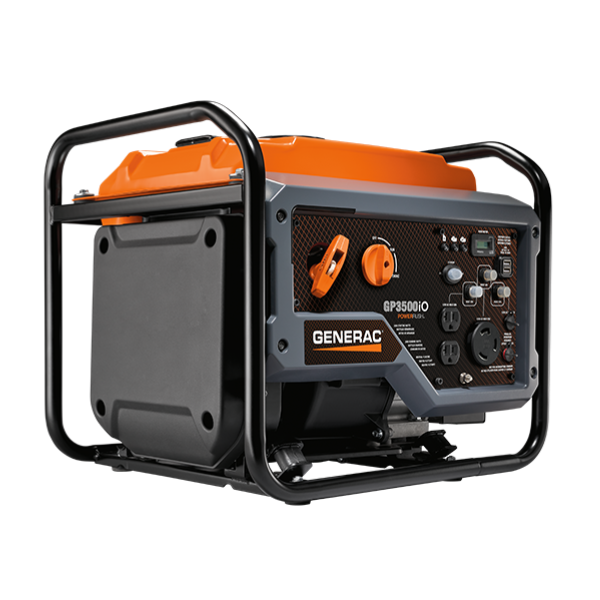
Construction Site Generator Recommend Products

Construction Site Generator Detail Introduction
Introduction to Construction Site Generators
Construction site generators are indispensable power sources that play a crucial role in powering progress on various construction projects. From small-scale residential developments to large-scale infrastructure projects, these generators provide the essential electricity needed to operate machinery, tools, and equipment.
Construction site generators, also known as construction power generators or construction-grade generators, are specifically designed to meet the demanding power requirements of construction sites. They serve as temporary power sources, supplying electricity to construction equipment, lighting systems, heating and cooling units, and other on-site operations.
Furthermore, the flexibility of Construction Site Generators, including those equipped as Emergency Generator Sets, allows for a customized power solution that can be scaled to match the specific needs of any construction project. Whether it’s a small renovation project requiring a single portable generator or a large-scale construction site needing a multi-generator setup, there’s a configuration available to meet every demand.
Reliable power sources are essential for maintaining productivity and efficiency on construction sites. Any interruption or failure in power supply can lead to delays, downtime, and increased costs. Construction site generators ensure uninterrupted power supply, allowing construction activities to proceed smoothly and on schedule.
Construction site generators come in various types and configurations to suit different project requirements. Diesel generators are commonly used for their fuel efficiency, reliability, and robust performance. Natural gas and propane generators offer cleaner emissions and may be preferred for environmentally sensitive projects.

Generators
images source:https://www.bobcat.com/eu/en/equipment/generators
Understanding Generator Specifications
Construction site generators come with various specifications that are crucial to consider when choosing the right generator for a project. Understanding these specifications ensures that the generator meets the power requirements and operational needs of the construction site.
Key Specifications to Consider When Choosing a Construction Site Generator
Power Output (kW) and Voltage Requirements
The power output of a generator, measured in kilowatts (kW), determines its capacity to supply electricity. It's essential to assess the power needs of the construction site accurately to select a generator with sufficient kW rating. Additionally, voltage requirements must match the electrical systems and equipment used on the site to ensure compatibility and safe operation.
Fuel Type and Fuel Efficiency
Construction site generators typically run on diesel, natural gas, or propane. The choice of fuel type depends on factors such as availability, cost, and environmental considerations. Diesel generators are known for their fuel efficiency and high energy density, making them suitable for long-term use. However, natural gas and propane generators offer cleaner emissions and may be preferred for environmentally sensitive areas.
Noise Levels and Emission Regulations Compliance
Noise levels generated by construction site generators can impact the surrounding environment and workers' health and safety. It's essential to select generators with low noise emissions to minimize disturbances and comply with noise regulations. Additionally, generators must meet emission regulations set by local authorities to mitigate environmental impacts and ensure compliance with air quality standards.
What is the best generator for construction sites?
Diesel generators are the most commonly used generators on construction sites because they are efficient, have stable power and are non-flammable. Additionally, since many construction equipment run on diesel, this means diesel is always available to fuel your generator.
What is the structure of a generator?
An alternator essentially consists of two main parts: the stator and the rotor. The stator is the stationary part of the machine, while the rotor is the rotating part. A prime mover is connected to the rotor to provide mechanical energy. Stator: The stator is the stationary component around which the armature windings are wound.
How powerful a generator do I need?
The size of generator needed for whole-house backup depends on the home's daily energy usage and backup power requirements, but a generator between 5,000 and 8,000 watts should be sufficient for most homes. A general rule of thumb is to choose a generator with a capacity of at least 50% of the home’s peak energy use.
How does a generator work without electricity?
Modern whole-house backup generators run on natural gas or propane and will start at the first sign of a power outage. Portable generators need to be turned on manually during a power outage and can power multiple extension cords, power tools and appliances
Generator Installation and Setup
Proper installation and setup of construction site generators are essential to ensure reliable power supply and safe operation throughout the duration of the project. This section outlines the necessary steps and considerations for installing and setting up generators on construction sites.
Proper Installation Considerations for Construction Site Generators
Location Selection and Safety Precautions
Selecting an appropriate location for the generator is critical to ensure safe operation and accessibility for maintenance. The chosen site should be well-ventilated, away from flammable materials, and comply with local regulations regarding setback distances and noise levels. Safety precautions, such as installing barriers and signage, should be implemented to prevent accidents and ensure the safety of workers and bystanders.
Connecting Generator to Electrical Systems and Load Requirements
Once the location is determined, the generator must be properly connected to the electrical systems and equipment on the construction site. This includes installing transfer switches, distribution panels, and connecting cables to distribute power efficiently and safely. Load requirements must be carefully assessed to prevent overloading the generator and ensure adequate power supply to all essential equipment and machinery.
Testing and Commissioning Procedures
After installation, the generator should undergo thorough testing and commissioning procedures to verify its functionality and performance. This includes conducting load tests to assess the generator's ability to handle peak loads and verifying voltage and frequency outputs to ensure consistency and stability. Any issues or discrepancies should be addressed promptly to prevent downtime and ensure uninterrupted power supply during construction activities.

Construction Site Generator
images source:https://harborfreight22.com/2021/01/12/how-to-choose-a-generator-for-the-construction-site/
Maintenance and Troubleshooting
Regular maintenance and effective troubleshooting procedures are vital for ensuring the continuous and reliable operation of construction site generators. This section provides an overview of routine maintenance tasks, common issues, and troubleshooting techniques to address potential problems promptly.
Routine Maintenance Tasks for Construction Site Generators
Scheduled Inspections
Regular inspections should be conducted according to the manufacturer's recommendations and regulatory requirements. This includes visual inspections of the generator, checking for signs of wear, leaks, or damage, and inspecting critical components such as the engine, alternator, fuel system, and cooling system.
Fluid Checks and Replenishment
Fluid levels, including oil, coolant, and fuel, should be checked regularly and topped up as needed. Proper fluid maintenance is essential for optimal generator performance and longevity, as insufficient levels or contaminated fluids can lead to engine damage or malfunction.
Filter Replacement
Air, fuel, and oil filters should be replaced at recommended intervals to ensure the generator's internal components are protected from contaminants. Clogged or dirty filters can impair engine performance and efficiency, leading to increased fuel consumption and potential damage to critical components.
Battery Maintenance
The generator's battery should be inspected regularly for signs of corrosion, damage, or deterioration. Terminals should be cleaned and tightened as needed, and battery electrolyte levels should be checked and topped up if necessary to ensure reliable starting and operation.
Importance of Regular Inspections and Servicing
Regular inspections and servicing are essential for identifying potential issues early, preventing costly repairs, and minimizing downtime on construction sites. By adhering to a comprehensive maintenance schedule and addressing maintenance tasks promptly, construction site operators can maximize the lifespan and reliability of their generators, ensuring uninterrupted power supply for critical operations.
Common Issues and Troubleshooting Techniques
Despite regular maintenance, generators may encounter common issues that require troubleshooting and repair. These may include starting failures, abnormal noise or vibrations, fuel leaks, overheating, or voltage fluctuations. Troubleshooting techniques such as diagnostic testing, visual inspections, and component replacement may be employed to identify and rectify these issues promptly.
Safety Precautions During Maintenance Activities
Safety should be a top priority during generator maintenance activities to prevent accidents and injuries. Proper personal protective equipment (PPE) should be worn at all times, and safety protocols should be followed, including lockout/tagout procedures, proper ventilation in confined spaces, and precautions against electrical hazards. Training and education on safe maintenance practices should be provided to all personnel involved in generator maintenance to minimize risks and ensure compliance with regulatory requirements.
Ensuring Generator Safety
Safety is paramount when it comes to operating construction site generators. This section highlights the importance of generator safety measures and provides guidelines for ensuring a safe working environment on construction sites.
Importance of Generator Safety on Construction Sites
Construction sites are dynamic environments with various hazards, and generators pose unique safety risks due to their high voltage electrical systems, combustible fuels, and moving parts. It is crucial to implement robust safety measures to prevent accidents, injuries, and fatalities associated with generator operation.
Understanding Electrical Hazards and Safety Protocols
Electric shock is one of the most significant hazards associated with generator operation. Construction site personnel must understand the risks posed by electrical hazards and follow safety protocols to minimize the likelihood of accidents. This includes ensuring proper grounding of the generator, using insulated tools and equipment, and implementing lockout/tagout procedures to de-energize electrical systems during maintenance activities.
Fire Prevention and Protection Measures
Generators present a fire risk due to the potential for fuel leaks, overheating, or electrical faults. Fire prevention measures should be implemented, including proper storage and handling of fuel, regular inspection of fuel lines and connections for leaks, and installation of fire suppression systems and extinguishers near generator locations.
Personal Protective Equipment (PPE) Requirements
Construction site personnel must wear appropriate personal protective equipment (PPE) when working near generators to mitigate risks. This includes wearing insulated gloves, safety goggles, and hearing protection to prevent electrical shocks, eye injuries, and hearing damage. Additionally, flame-resistant clothing should be worn when handling flammable fuels or operating generators in confined spaces.
Best Practices for Generator Operation
Proper operation of construction site generators is essential to ensure reliable power supply and minimize the risk of accidents or equipment damage. This section outlines key best practices for operating generators efficiently and safely on construction sites.
Operating Procedures for Construction Site Generators
Before starting a generator, it is essential to review the manufacturer's operating instructions and safety guidelines. Operators should familiarize themselves with the generator's controls, indicators, and emergency shutdown procedures. Additionally, regular training should be provided to personnel responsible for operating generators to ensure competency and adherence to safe practices.
Monitoring Power Output and Load Balancing
Construction site operators must monitor the power output of generators to ensure they meet the site's electrical demand. Overloading generators can lead to overheating, voltage fluctuations, and equipment damage. Load balancing techniques, such as prioritizing essential equipment and staggering start-up times for large loads, can help optimize generator performance and prevent overloads.
Fuel Management and Refueling Protocols
Proper fuel management is critical to maintaining uninterrupted power supply on construction sites. Operators should regularly monitor fuel levels and schedule refueling activities to avoid running out of fuel during critical operations. When refueling generators, safety precautions should be followed to prevent spills, leaks, and fuel contamination. Additionally, fuel storage areas should be located away from ignition sources and equipped with spill containment measures.
Shutdown Procedures and Emergency Response Plans
At the end of each workday or when generators are no longer needed, operators should follow proper shutdown procedures to safely power down the equipment. This includes reducing the load on the generator, allowing it to cool down, and turning off the fuel supply. Emergency shutdown procedures should be clearly outlined and communicated to all personnel in case of unexpected events or equipment malfunctions.
Operating Procedures for Construction Site Generators | Before starting a generator, it is essential to review the manufacturer's operating instructions and safety guidelines. Operators should familiarize themselves with the generator's controls, indicators, and emergency shutdown procedures. Additionally, regular training should be provided to personnel responsible for operating generators to ensure competency and adherence to safe practices. |
Fuel Management and Refueling Protocols | Proper fuel management is critical to maintaining uninterrupted power supply on construction sites. Operators should regularly monitor fuel levels and schedule refueling activities to avoid running out of fuel during critical operations. When refueling generators, safety precautions should be followed to prevent spills, leaks, and fuel contamination. Additionally, fuel storage areas should be located away from ignition sources and equipped with spill containment measures. |
Generator Rental vs. Purchase
When considering power solutions for construction sites, project managers often face the decision between renting or purchasing generators. This section explores the key considerations and factors to weigh when choosing between rental and ownership options.
Cost Analysis and Budget Considerations
One of the primary factors influencing the decision to rent or purchase a generator is the financial aspect. Renting a generator typically involves lower upfront costs compared to purchasing outright. However, rental costs can accumulate over time, especially for long-term projects. Project managers must conduct a thorough cost analysis to determine the most cost-effective option based on the project duration, budget constraints, and operational requirements.
Flexibility and Scalability Benefits of Rental Options
Renting generators offers flexibility and scalability advantages for construction projects. Rental companies often have a diverse fleet of generators available, allowing project managers to select the appropriate size and capacity based on project needs. Additionally, rental agreements can be tailored to accommodate fluctuations in power demand or project timelines, providing flexibility to scale up or down as needed without long-term commitments.
Ownership Advantages and Long-Term Investment Considerations
Despite the initial higher investment, purchasing generators offers several advantages for construction companies in the long run. Ownership provides greater control over equipment usage, scheduling, and maintenance, reducing reliance on external rental providers. Moreover, owning generators allows companies to capitalize on tax incentives, depreciation benefits, and potential resale value, making it a strategic long-term investment for businesses with frequent or ongoing power needs.
Environmental Impact and Sustainability
In today's construction industry, environmental sustainability is a growing concern, and generators play a significant role in shaping environmental impact. This section delves into the environmental considerations associated with construction site generators, exploring emission reduction strategies, sustainable fuel options, and compliance with environmental regulations.
Environmental Considerations When Using Construction Site Generators
Construction site generators contribute to air and noise pollution, posing environmental challenges that need to be addressed. Emissions from diesel generators, in particular, contain pollutants such as nitrogen oxides (NOx), particulate matter (PM), and sulfur dioxide (SO2), which can have adverse effects on air quality and public health. Additionally, generator noise can disrupt surrounding ecosystems and communities, further exacerbating environmental concerns.
Emission Reduction Strategies and Technologies
To mitigate the environmental impact of construction site generators, industry stakeholders are increasingly adopting emission reduction strategies and technologies. This includes the use of advanced engine technologies, such as exhaust aftertreatment systems, to reduce harmful emissions and comply with stringent emission regulations. Additionally, alternative fuel options, such as biodiesel and renewable diesel, offer cleaner-burning alternatives to traditional diesel fuel, further reducing greenhouse gas emissions and air pollutants.
Sustainable Fuel Options and Renewable Energy Integration
In line with global efforts to transition to cleaner energy sources, construction companies are exploring sustainable fuel options and renewable energy integration for powering construction sites. Renewable fuels, such as biogas and hydrogen, present viable alternatives to fossil fuels, offering lower carbon emissions and reduced environmental impact. Furthermore, integrating renewable energy sources, such as solar panels and wind turbines, with generator systems can offset power demand and minimize reliance on traditional fuel sources, promoting sustainability and resilience in construction operations.
Compliance with Environmental Regulations and Standards
As environmental regulations become more stringent, construction companies must ensure compliance with applicable laws and standards governing generator emissions and noise levels. Regulatory bodies impose limits on emissions and noise from construction site activities, necessitating the use of compliant equipment and adherence to prescribed operating practices. By staying abreast of regulatory requirements and implementing best practices for environmental management, construction companies can mitigate environmental risks and demonstrate their commitment to sustainability and corporate responsibility.
Case Studies and Success Stories
Real-world examples provide invaluable insights into the practical application and effectiveness of construction site generators. This section showcases case studies and success stories from various construction projects, highlighting the challenges faced, solutions implemented, and outcomes achieved.
Case Study 1: Urban High-Rise Construction Project
In a bustling urban environment, a high-rise construction project faced the challenge of reliable power supply amidst limited grid connectivity and frequent outages. To address this issue, the project team deployed a robust construction site generator solution tailored to their power requirements. By leveraging advanced generator technology and meticulous planning, the project maintained uninterrupted power supply throughout the construction process, enabling seamless operations and timely project completion.
Key Success Factors:
- Customized generator solution optimized for site-specific needs
- Strategic placement and configuration of generators for maximum efficiency
- Regular monitoring and maintenance to ensure continuous operation
- Collaboration with local authorities to comply with noise and emission regulations
Outcome:
- Improved productivity and efficiency due to uninterrupted power supply
- Mitigation of project delays and cost overruns associated with power outages
- Enhanced safety and reliability, minimizing risks to workers and equipment
Key Success Factors:
| Customized generator solution optimized for site-specific needs |
Strategic placement and configuration of generators for maximum efficiency | |
Regular monitoring and maintenance to ensure continuous operation | |
Collaboration with local authorities to comply with noise and emission regulations |
Case Study 2: Remote Off-Grid Construction Site
In remote off-grid locations, construction projects face unique challenges in accessing reliable power sources. One such project, situated in a remote mountainous region, required a sustainable off-grid power solution to support construction activities. The project team implemented a hybrid generator system combined with renewable energy sources, such as solar panels and micro-hydro turbines, to meet power demands while minimizing environmental impact.
Key Success Factors:
- Integration of renewable energy sources to reduce reliance on fossil fuels
- Hybrid generator system for optimal power generation and storage
- Remote monitoring and control capabilities for efficient operation and maintenance
- Training and capacity building for project staff on renewable energy technologies
Outcome:
- Reduced carbon footprint and environmental impact through renewable energy integration
- Enhanced energy resilience and self-sufficiency in remote construction sites
- Cost savings and operational efficiency achieved through hybrid power solutions
- Positive community engagement and support for sustainable development initiatives
Success Story: Green Building Construction Project
In the pursuit of sustainable construction practices, a green building project prioritized environmental stewardship and energy efficiency. As part of its sustainability strategy, the project incorporated energy-efficient construction site generators powered by biodiesel fuel. This eco-friendly approach not only minimized emissions but also aligned with the project's green building objectives, earning accolades for environmental leadership and innovation.
Key Success Factors:
- Adoption of biodiesel-powered generators for cleaner energy generation
- Integration of energy-efficient technologies to optimize power usage
- Collaboration with suppliers and stakeholders committed to sustainability
- Public awareness campaigns highlighting the project's environmental initiatives
Outcome:
- Recognition as a model of sustainable construction practices within the industry
- Reduction of greenhouse gas emissions and environmental footprint
- Contribution to local community development and environmental conservation efforts
- Inspiration for future construction projects to prioritize sustainability and eco-consciousness
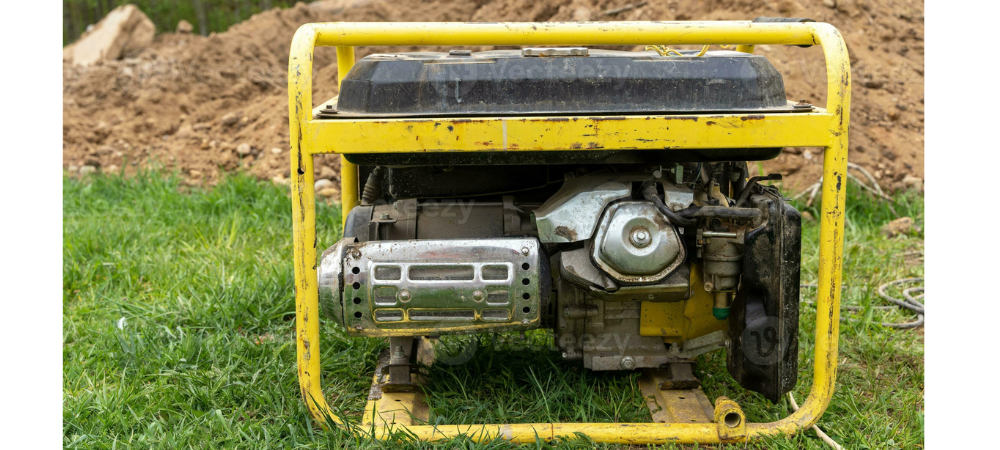
generator operating on a construction site 25060642
images source:https://www.vecteezy.com/photo/25060642-portable-gasoline-generator-operating-on-a-construction-site
Future Trends in Construction Site Generators
As technology continues to evolve, so too do the capabilities and functionalities of construction site generators. This section explores emerging trends and innovations shaping the future of generator design and usage, offering insights into the evolving landscape of construction site power solutions.
Trend 1: Smart Generator Systems
The advent of smart grid technologies and Internet of Things (IoT) connectivity is revolutionizing the way construction site generators are monitored and managed. Smart generator systems utilize sensors, data analytics, and remote monitoring capabilities to optimize performance, predict maintenance needs, and enhance overall efficiency. By harnessing real-time data insights, construction companies can proactively manage their generator fleets, minimize downtime, and maximize operational productivity.
Trend 2: Hybrid Power Solutions
In response to growing demands for sustainable energy solutions, hybrid generator systems are gaining prominence in the construction industry. These systems combine traditional generator technology with renewable energy sources such as solar, wind, or hydrogen fuel cells to provide clean and reliable power on construction sites. Hybrid power solutions offer greater energy resilience, reduced environmental impact, and long-term cost savings, positioning them as a viable alternative to conventional fossil fuel generators.
Trend 3: Energy Storage Integration
Advancements in energy storage technologies, such as lithium-ion batteries and supercapacitors, are facilitating the integration of storage solutions with construction site generators. Energy storage systems enable excess power generated by generators or renewable sources to be stored for later use, providing backup power during peak demand periods or grid outages. By optimizing energy storage and distribution, construction companies can enhance grid stability, reduce reliance on diesel generators, and achieve greater energy efficiency.
Trend 4: Emission Reduction Technologies
As environmental regulations become increasingly stringent, construction site generators are incorporating advanced emission reduction technologies to minimize their carbon footprint and air pollution. Innovations such as catalytic converters, particulate filters, and selective catalytic reduction (SCR) systems are being integrated into generator designs to reduce harmful emissions of nitrogen oxides (NOx), carbon monoxide (CO), and particulate matter. By adopting cleaner and greener generator technologies, construction projects can mitigate environmental impact and uphold sustainability commitments.
Trend 5: Remote Monitoring and Control
Remote monitoring and control capabilities are transforming the way construction site generators are managed and operated. Through web-based platforms, mobile applications, and cloud-based software solutions, construction companies can remotely monitor generator performance, track fuel consumption, and diagnose issues in real-time from any location. This remote accessibility enables proactive maintenance, rapid troubleshooting, and seamless coordination of generator fleets across multiple construction sites, ultimately enhancing operational efficiency and minimizing downtime.
Trend 6: Scalable and Modular Designs
To accommodate diverse construction project requirements, generator manufacturers are developing scalable and modular designs that offer flexibility and customization options. Scalable generator systems allow construction companies to adjust power capacity and configuration based on evolving project needs, ensuring optimal performance and resource utilization. Modular designs enable easy installation, expansion, and reconfiguration of generator setups, facilitating quick deployment and relocation as construction projects progress.
Trend 7: Integration with Sustainable Construction Practices
Construction site generators are increasingly being integrated into broader sustainability initiatives within the construction industry. By aligning generator usage with sustainable construction practices such as green building certification programs, renewable energy adoption, and carbon neutrality commitments, construction companies can enhance their environmental stewardship and corporate social responsibility efforts. Generator manufacturers are responding to this trend by offering eco-friendly generator models, promoting fuel efficiency, and supporting initiatives to offset carbon emissions generated during construction activities.
Trend 8: Electrification of Construction Equipment
The electrification of construction equipment is driving demand for electric power solutions on construction sites. Electrically powered machinery, tools, and vehicles are becoming more prevalent in construction operations, necessitating reliable and efficient power sources. Construction site generators equipped with high-capacity electrical outputs and compatibility with electric vehicle charging infrastructure are poised to support the transition towards electrified construction fleets. By embracing electrification, construction projects can reduce noise pollution, improve air quality, and achieve greater energy efficiency in their operations.
Fluid Checks and Replenishment | Fluid levels, including oil, coolant, and fuel, should be checked regularly and topped up as needed. Proper fluid maintenance is essential for optimal generator performance and longevity, as insufficient levels or contaminated fluids can lead to engine damage or malfunction. |
Filter Replacement | Air, fuel, and oil filters should be replaced at recommended intervals to ensure the generator's internal components are protected from contaminants. Clogged or dirty filters can impair engine performance and efficiency, leading to increased fuel consumption and potential damage to critical components. |
Battery Maintenance | The generator's battery should be inspected regularly for signs of corrosion, damage, or deterioration. Terminals should be cleaned and tightened as needed, and battery electrolyte levels should be checked and topped up if necessary to ensure reliable starting and operation. |
Conclusion: Empowering Construction Projects with Generators
In conclusion, construction site generators serve as indispensable power solutions that play a pivotal role in driving progress and success in construction projects worldwide. Throughout this guide, we have explored the definition, functions, specifications, installation, maintenance, safety considerations, and future trends of construction site generators, shedding light on their critical importance and evolving capabilities.
From providing reliable power sources to enabling uninterrupted operations on construction sites, generators offer the energy resilience and flexibility necessary to overcome challenges and achieve project objectives. Whether powering heavy machinery, lighting, HVAC systems, or temporary facilities, construction site generators ensure that essential operations remain operational and productive, regardless of external factors or grid limitations.
By understanding key considerations such as power output, fuel efficiency, noise levels, safety protocols, and environmental impact, construction companies can make informed decisions when selecting, installing, and operating generators on their projects. Implementing best practices for generator usage, maintenance, and safety not only enhances operational efficiency but also safeguards personnel, equipment, and the surrounding environment.
Looking ahead, the future of construction site generators is characterized by technological advancements, sustainability initiatives, and integration with smart grid systems. As smart generator systems, hybrid power solutions, energy storage integration, and emission reduction technologies continue to evolve, construction companies stand to benefit from enhanced performance, efficiency, and environmental responsibility.
By embracing these emerging trends and leveraging the latest generator technologies, construction projects can achieve greater energy resilience, reduce carbon footprint, and contribute to a more sustainable built environment. As generators evolve to meet the evolving needs of the construction industry, they remain a cornerstone of progress and innovation, empowering construction projects to succeed and thrive in an increasingly dynamic and competitive landscape.
Common Questions About Construction Site Generator
1. What is a construction site generator? A construction site generator is a portable power source designed to provide electricity for construction projects where grid power is unavailable or unreliable. These generators come in various sizes and configurations to meet the power demands of different construction applications.
2. How does a construction site generator work? Construction site generators typically operate by converting mechanical energy, usually from an internal combustion engine, into electrical energy. The engine burns fuel, such as diesel, natural gas, or propane, to drive a generator that produces electricity. This electricity is then distributed to power tools, equipment, and temporary facilities at the construction site.
3. What are the key features to consider when choosing a construction site generator? When selecting a construction site generator, it's essential to consider factors such as power output, fuel type and efficiency, noise levels, emissions compliance, portability, and durability. Additionally, factors like ease of maintenance, reliability, and safety features should also be taken into account to ensure optimal performance on the construction site.
4. What are the benefits of using a construction site generator? Construction site generators offer several advantages, including providing a reliable power source in remote or off-grid locations, enabling continuous work without interruptions due to power outages, and enhancing productivity by powering essential equipment and tools. They also offer flexibility, scalability, and cost-effectiveness compared to alternative power solutions.
5. How do I properly install and set up a construction site generator? Proper installation of a construction site generator involves selecting an appropriate location, ensuring sufficient ventilation and clearance around the generator, and safely connecting it to electrical systems and loads. Following manufacturer guidelines and safety precautions is crucial during installation and setup to prevent accidents and ensure optimal performance.
6. What maintenance tasks are required for construction site generators? Routine maintenance tasks for construction site generators include regular inspections, fluid checks and changes, filter replacements, and testing of safety features. It's essential to adhere to the manufacturer's maintenance schedule and guidelines to keep the generator running smoothly and minimize the risk of unexpected breakdowns.
7. How can I ensure the safety of construction site generators? Ensuring the safety of construction site generators involves following proper installation procedures, implementing safety protocols for operation and maintenance, providing adequate training to operators, and conducting regular inspections and safety audits. It's essential to identify and address potential hazards promptly to mitigate risks and ensure a safe working environment.
8. What are the environmental considerations when using construction site generators? Construction site generators can have environmental impacts due to noise pollution, emissions, and fuel consumption. To minimize these impacts, it's important to choose generators with low-emission engines, implement fuel-efficient practices, and consider alternative power sources such as renewable energy or grid connections where feasible. Additionally, compliance with environmental regulations and standards is essential to minimize the generator's environmental footprint.
Reference sources
1."Portable Generators for Construction Sites: A Comprehensive Guide." Briggs & Stratton. https://www.briggsandstratton.com/na/en_us/support/maintenance-how-to/browse/portable-generators/portable-generators-for-construction-sites-a-comprehensive-guide.html
2."Construction Site Power Solutions." Caterpillar. https://www.cat.com/en_US/by-industry/construction/industry-solutions/construction-site-power-solutions.html
3."Choosing the Right Generator for Your Construction Site." Generac. https://www.generac.com/resources-and-tools/business-resource-center/articles/choosing-the-right-generator-for-your-construction-site
4."Construction Generators: What to Look for When Buying." The Home Depot. https://www.homedepot.com/c/ab/construction-generators/9ba683603be9fa5395fab90a80058
5."Powering Progress: A Guide to Construction Site Generators." Cummins. https://www.cummins.com/generators/construction