


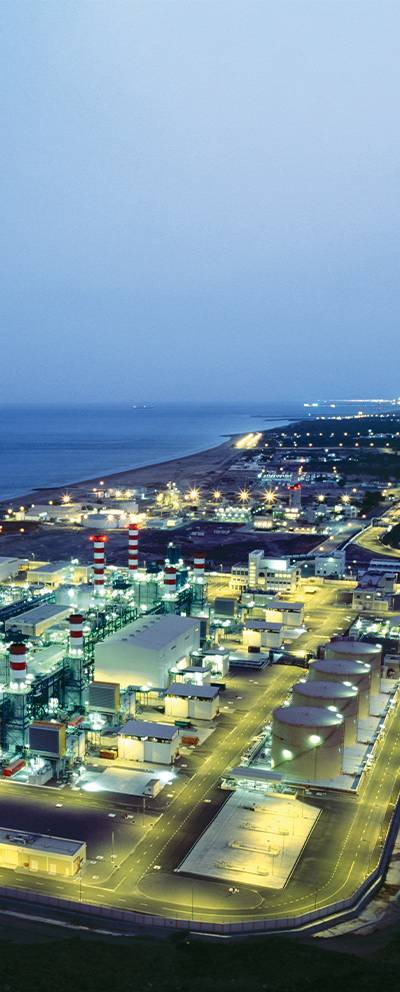
Marine diesel gensets are essential for the operation of a wide array of marine vessels, providing critical electrical power for everything from basic lighting and navigation systems to the operation of complex onboard equipment and amenities. Designed to be robust and reliable, these gensets are tailored to withstand the challenging conditions at sea, including saltwater corrosion, heavy vibrations, and fluctuating loads. Their efficiency and durability make them a preferred choice for ensuring uninterrupted power supply, crucial for safety and operational functionality across the maritime industry.
Advancements in marine diesel genset technology are continuously being made to meet stringent environmental standards and improve fuel efficiency, reflecting a growing emphasis on sustainability within the maritime sector. Modern marine diesel gensets are equipped with sophisticated control systems for optimized performance, and manufacturers are increasingly focusing on reducing emissions to comply with international regulations such as those set by the International Maritime Organization (IMO). These improvements not only enhance the environmental profile of marine operations but also contribute to lower operating costs and increased reliability, reinforcing the central role of marine diesel gensets in the global shipping and boating industries.
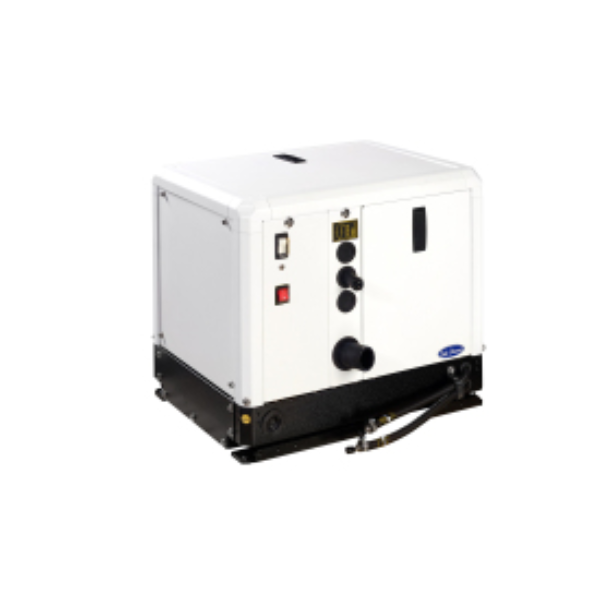
Marine Diesel Genset Recommend Products

Marine Diesel Genset Detail Introduction
Introduction: The Importance of Selecting the Right Marine Diesel Genset
Selecting the right Marine Diesel Genset for your vessel is not just a matter of powering it; it's about ensuring safety, efficiency, and compliance with international maritime regulations. [Related answers:Why Opt for Marine Diesel Gensets for Shipboard Electricity Production?]Marine diesel gensets serve as the heart of a ship's power system, providing electricity for everything from navigation and communication systems to crew living quarters and cargo operations. The right genset choice impacts every aspect of maritime operations, making it crucial for ship owners and operators to make an informed decision.
The significance of choosing the appropriate genset extends beyond just the operational capability; it determines a vessel's environmental footprint, operational costs, and its ability to withstand the harsh conditions of marine environments. With the maritime industry facing increasingly stringent environmental regulations, such as those set by the International Maritime Organization (IMO), selecting a genset that meets these standards while maintaining fuel efficiency becomes imperative.
The importance of Marine Diesel Gensets transcends their traditional marine use, finding critical application in sectors that demand high reliability in power generation.
Moreover, the choice of a genset affects a vessel's safety and the comfort of its crew. A reliable power source is critical for maintaining essential systems in emergencies, while also contributing to the overall living conditions onboard. Thus, investing in the right marine diesel genset is not just a financial decision but a comprehensive strategy to ensure the long-term success and sustainability of maritime operations.

Marine Diesel Genset
Understanding Marine Diesel Genset Basics
Before diving into the specifics of selecting a marine diesel genset, it's essential to grasp what these units are and the crucial role they play onboard. A marine diesel genset is a standalone power generating system specifically designed for maritime use. It combines a diesel engine with an electric generator to produce electrical power, ensuring that a vessel's operational systems and living quarters remain functional, regardless of the main engine's status.
What is a Marine Diesel Genset?
At its core, a marine diesel genset consists of a diesel engine and an alternator, enclosed within a robust frame designed to withstand the rigors of the marine environment. This setup allows for the efficient conversion of diesel fuel into electrical energy, which is then distributed throughout the vessel to power various systems and equipment.
Key Components and How They Work Together
The key components of a marine diesel genset include:
- Diesel Engine: The powerhouse of the genset, responsible for converting fuel into mechanical energy.
- Alternator: Converts the mechanical energy from the engine into electrical power.
- Cooling System: Maintains optimal operating temperatures for both the engine and alternator.
- Control Panel: Allows for monitoring and management of genset operations, ensuring optimal performance and safety.
These components work in concert to provide a reliable and efficient power source, capable of adapting to the varying power demands of a vessel.
The Difference Between Marine and Standard Diesel Gensets
While the basic principle of operation remains the same, marine gensets are distinct from their standard counterparts in several key ways:
- Corrosion Resistance: Marine gensets are built with materials and coatings that resist corrosion caused by saltwater and humid maritime air.
- Compact Design: Space is at a premium on vessels, necessitating gensets that are compact yet powerful.
- Regulatory Compliance: Marine gensets must comply with specific maritime safety and environmental standards, which are often more stringent than those for land-based applications.
Understanding these basics provides a solid foundation for delving into the more nuanced aspects of selecting a marine diesel genset that meets the specific needs of your vessel. This knowledge ensures that operators can make informed decisions, balancing power requirements, operational efficiency, and environmental considerations.
Diesel Engine: | The powerhouse of the genset, responsible for converting fuel into mechanical energy. |
Alternator: | Converts the mechanical energy from the engine into electrical power. |
Cooling System: | Maintains optimal operating temperatures for both the engine and alternator. |
Control Panel: | Allows for monitoring and management of genset operations, ensuring optimal performance and safety. |
Assessing Your Vessel's Power Requirements
Choosing the right Marine Diesel Genset for your vessel requires a thorough assessment of your power needs. This step is crucial not only for ensuring operational efficiency and safety but also for optimizing fuel consumption and minimizing unnecessary costs. Understanding the power requirements involves evaluating the size and function of your vessel, alongside considering peak load demands and the need for redundancy to ensure uninterrupted power supply.
Calculating Power Needs Based on Vessel Size and Function
The power requirements of a vessel are directly influenced by its size and the nature of its operations. For instance, a large container ship will have significantly different power needs compared to a mid-size fishing boat or a luxury yacht. It's essential to consider all operational aspects, including propulsion (if the genset is also used for this purpose), navigation, communication, safety systems, and the needs of the crew and passengers.
- Operational Load: Start by listing all electrical equipment and systems that require power, from navigation lights and radar to kitchen appliances and HVAC systems.
- Peak Load Requirements: Identify scenarios where multiple systems might operate simultaneously, creating peak power demands. This ensures the selected genset can handle the highest expected load without faltering.
Considering Peak Load Requirements and Redundancy Needs
Peak load moments and redundancy are critical considerations in marine operations. The genset should not only be capable of meeting peak demands but also offer reliability through redundancy, especially for vessels undertaking long voyages or operating in remote areas where repair and replacement are challenging.
- Redundancy: Having more than one genset or a genset capable of operating in tandem with others can prevent total power loss, a critical factor for safety and operational continuity.
- Load Management: Implementing a load management system can help in distributing power usage efficiently across different gensets, enhancing fuel efficiency and extending the life of the gensets.
Assessing the vessel's power requirements with precision is a foundational step in the genset selection process. It ensures that the chosen Marine Diesel Genset not only meets the current operational demands but also provides a buffer for future needs or unexpected peak loads. This assessment, ideally conducted with the input of marine engineers or specialists, lays the groundwork for a decision that balances performance, cost, and reliability, ensuring the vessel's power supply is robust, efficient, and capable of supporting all intended operations.
What is the difference between a marine generator and an ordinary generator?
Other differences that make marine generators unique.
It is designed and manufactured to require lower maintenance costs than traditional generators. Lower cost per kilowatt compared to traditional generators. Improved noise reduction. Since there are no sparks, they are safer to operate.
Is it cheaper to use a diesel generator?
Diesel generators generally have higher operating costs due to the higher cost of diesel. However, diesel generators are more fuel efficient than gasoline generators, so they use less fuel over time.
Fuel Efficiency and Operational Costs
When selecting a Marine Diesel Genset, understanding the relationship between fuel efficiency and operational costs is crucial. The fuel efficiency of a genset directly impacts the operational expenses of a vessel, making it a key consideration for ship owners and operators aiming to optimize performance while minimizing costs. This section delves into the importance of analyzing fuel consumption rates and the long-term cost implications of genset selection.
Analyzing Fuel Consumption Rates of Different Gensets
Fuel consumption rates vary significantly across different models and manufacturers of marine diesel gensets. These rates are influenced by factors such as engine design, alternator efficiency, and the overall quality of the genset. To accurately assess fuel efficiency:
- Specific Fuel Oil Consumption (SFOC): Look at the SFOC, which measures how much fuel is used per kilowatt-hour (kWh) of electricity produced. Lower SFOC values indicate better fuel efficiency.
- Load Profile: Consider how the genset will be used on your vessel. Gensets operate most efficiently at specific load ranges. Operating a genset consistently outside its optimal load range can lead to increased fuel consumption and operational costs.
Long-term Cost Implications of Genset Selection
The initial purchase price of a marine diesel genset is only part of the total cost of ownership. Operational costs, particularly fuel consumption, play a significant role in the overall expenses associated with running a genset over its lifespan. Additionally, maintenance costs, lifespan, and potential downtime also contribute to the total cost of ownership.
- Fuel Cost Projections: Calculate the expected fuel costs based on the genset’s fuel efficiency, anticipated hours of operation, and current fuel prices. Remember, fuel prices can fluctuate, so consider potential future changes.
- Maintenance and Downtime: More fuel-efficient gensets might also feature advanced designs that reduce maintenance requirements and downtime, further contributing to operational cost savings.
Selecting a fuel-efficient marine diesel genset is a strategic decision that affects the operational budget and environmental footprint of maritime operations. By carefully analyzing fuel consumption rates and considering the long-term cost implications, ship owners and operators can make informed decisions that balance initial investment against ongoing expenses, ensuring the financial sustainability of their operations. This approach not only supports cost-effective operations but also contributes to the broader goal of reducing the environmental impact of the maritime industry.
Navigating Environmental Regulations
In the maritime industry, environmental sustainability has become a paramount concern, with stringent regulations set by bodies such as the International Maritime Organization (IMO) influencing every aspect of ship operation, including the use of marine diesel gensets. Understanding and complying with these regulations is not just about adhering to legal requirements; it's also about contributing to global efforts to reduce maritime pollution and greenhouse gas emissions.
Understanding IMO Emissions Standards
The IMO has established a series of emissions standards, known as MARPOL Annex VI, aimed at minimizing airborne emissions from ships, including sulfur oxides (SOx), nitrogen oxides (NOx), and particulate matter. These standards have significant implications for marine diesel gensets, as they dictate the types of fuel that can be used and require the implementation of emissions-reducing technologies.
- Tier I to Tier III NOx Regulations: These regulations set progressively stricter limits on NOx emissions from diesel engines, including those used in gensets, based on their date of installation and operating areas.
- Sulfur Cap 2020: As of January 1, 2020, the sulfur content in fuel oil used onboard ships must not exceed 0.50% m/m, affecting the type of fuel that gensets can use.
Choosing Gensets That Comply with Current Environmental Regulations
Selecting a genset that meets current environmental regulations is crucial for legal compliance and for minimizing the environmental impact of your vessel's operations. To navigate these requirements:
- Emissions Control Technologies: Look for gensets equipped with technologies like Exhaust Gas Recirculation (EGR), Selective Catalytic Reduction (SCR), or scrubbers, which can significantly reduce NOx, SOx, and particulate emissions.
- Fuel Flexibility: Consider gensets capable of running on low-sulfur fuels or alternative fuels such as LNG, which can help meet sulfur cap requirements and reduce emissions.
Adhering to environmental regulations when selecting a marine diesel genset not only ensures compliance but also positions your vessel as part of the solution to the global challenge of reducing maritime emissions. By choosing gensets equipped with modern emissions control technologies and designed for fuel flexibility, ship owners and operators can navigate the seas more sustainably, contributing to a cleaner marine environment while preparing for future regulatory developments.
Durability and Reliability in Harsh Marine Conditions
The selection of a Marine Diesel Genset must prioritize durability and reliability, especially given the harsh conditions prevalent in marine environments. These gensets are not merely auxiliary power sources but critical components that ensure the safety and operational efficiency of a vessel. Their ability to withstand saltwater, humidity, vibration, and fluctuating loads directly impacts a ship's performance and longevity.
Features that Enhance Durability and Longevity
To ensure maximum durability and reliability, marine diesel gensets are designed with several key features:
- Corrosion Resistance: Components are made from or coated with materials resistant to rust and corrosion caused by saltwater and humid air, ensuring the genset's longevity.
- Robust Construction: Heavy-duty frames and mounts absorb vibrations and shocks from the vessel's movement, protecting the genset's internal components.
- Cooling Systems: Efficient cooling systems prevent overheating in high temperatures, a common challenge in engine rooms and tropical climates.
These features contribute to the genset's ability to perform reliably over time, even under demanding conditions, making them indispensable for marine applications.
The Importance of Corrosion Resistance and Robust Construction
The marine environment poses unique challenges, such as the constant threat of corrosion and the need to operate smoothly amidst the vessel's movements and vibrations. Marine Diesel Gensets are thus built to offer:
- Enhanced Lifespan: By resisting corrosion and wear, these gensets maintain their performance and reliability longer than standard industrial gensets would in the same conditions.
- Dependable Power Supply: Their robust construction ensures that they can continuously provide power, supporting critical systems necessary for navigation, safety, and comfort without unexpected failures.
Investing in a marine diesel genset that emphasizes durability and reliability pays off in the form of reduced maintenance costs, longer intervals between replacements, and the assurance that the vessel can rely on its power system in critical moments. For ship operators, this means not just operational efficiency but also peace of mind, knowing that their genset can withstand the rigors of the sea and keep their vessel powered through all conditions.
Corrosion Resistance: | Components are made from or coated with materials resistant to rust and corrosion caused by saltwater and humid air, ensuring the genset's longevity. |
Robust Construction: | Heavy-duty frames and mounts absorb vibrations and shocks from the vessel's movement, protecting the genset's internal components. |
Cooling Systems: | Efficient cooling systems prevent overheating in high temperatures, a common challenge in engine rooms and tropical climates. |
The Role of Technology and Innovation
In the realm of Marine Diesel Gensets, technology and innovation play pivotal roles in enhancing efficiency, ensuring reliability, and meeting stringent environmental standards. The maritime industry is witnessing a significant shift towards integrating advanced technological solutions that promise to redefine the operational capabilities of marine diesel gensets, making them smarter, more efficient, and environmentally friendly.
Advanced Features in Modern Marine Diesel Gensets
Modern marine diesel gensets are equipped with a suite of advanced features that improve performance and operational efficiency:
- Digital Control Systems: These systems offer precise control over the genset's operation, optimizing fuel consumption and reducing emissions. They also facilitate remote monitoring and diagnostics, allowing for proactive maintenance and minimizing downtime.
- Hybrid Power Systems: Integration with battery storage and renewable energy sources, such as solar panels or wind turbines, allows for a more flexible power supply, reducing reliance on diesel fuel and cutting down on emissions.
- Automatic Load Management: Modern gensets can automatically adjust their output based on the vessel's power demand, ensuring optimal efficiency and fuel usage across varying load conditions.
How Smart Technology Improves Genset Performance and Maintenance
The incorporation of smart technology into marine diesel gensets transforms how they are managed and maintained:
- Predictive Maintenance: By analyzing data from the genset in real time, predictive maintenance algorithms can identify potential issues before they lead to failure, significantly reducing the risk of unplanned downtime.
- Energy Efficiency: Smart systems can optimize the genset's operation for the best balance between power output and fuel consumption, leading to significant operational cost savings.
- Environmental Compliance: Advanced emissions control technologies, coupled with smart monitoring, ensure that gensets operate within environmental regulations, helping vessels avoid fines and contributing to cleaner oceans.
The integration of technology and innovation in marine diesel gensets not only enhances their immediate performance and reliability but also positions them as key components in the future of sustainable maritime operations. As the industry continues to evolve, the focus on advanced features and smart technology will increasingly become the standard, driving the development of gensets that are not only powerful and reliable but also kinder to the marine environment.
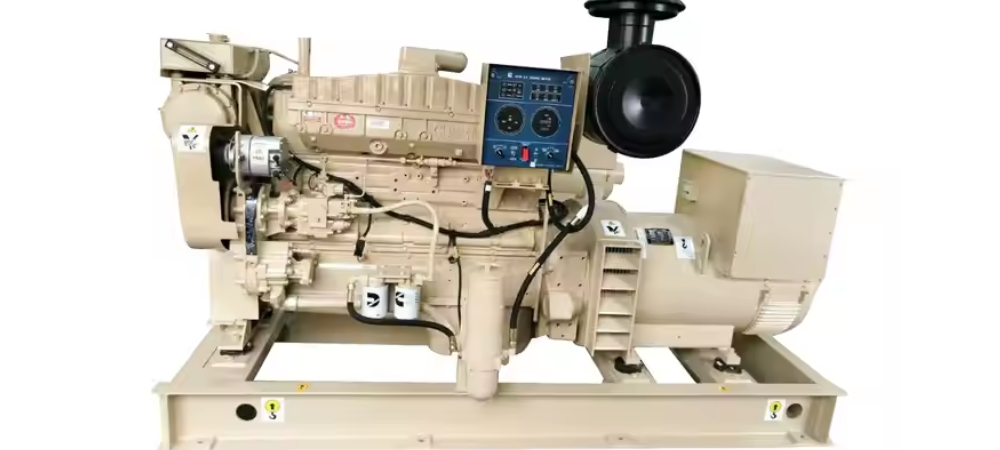
open type radiator gas marine diesel
Size and Space Considerations on Board
When integrating a Marine Diesel Genset into a vessel, size and space constraints are significant considerations. Ships have limited space, and every square meter is meticulously planned to optimize functionality and safety. The genset must be powerful enough to meet the vessel's energy requirements while being compact enough to fit within the designated area without compromising operational efficiency or safety.
Balancing Genset Size with Power Output
The challenge lies in balancing the genset’s physical dimensions with its power output, ensuring it fits within the engine room or designated space while providing sufficient power for the vessel's needs. This balance requires:
- Compact Design: Manufacturers often focus on creating gensets that offer high power output relative to their size, using innovative designs to minimize space requirements without sacrificing performance.
- Modular Systems: Some gensets are designed as modular units, allowing for flexible installation configurations that can adapt to the available space on board.
Installation Challenges in Confined Spaces
Installing a genset in the confined spaces typical of many vessels poses several challenges:
- Ventilation: Adequate ventilation is crucial to prevent overheating. The genset's location must allow for effective air circulation, which can be a complex requirement in tightly packed engine rooms.
- Access for Maintenance: Ensuring easy access to the genset for regular maintenance and repairs is vital. Poorly located gensets can lead to higher maintenance costs and longer downtimes.
- Noise and Vibration Isolation: Proper installation includes measures to isolate noise and vibration, enhancing crew comfort and preventing structural damage to the vessel.
Navigating the size and space considerations when selecting and installing a Marine Diesel Genset requires careful planning and often creative problem-solving. Working with experienced engineers and utilizing gensets designed specifically for maritime applications can help overcome these challenges, ensuring that the power system fits seamlessly within the vessel's architecture. The goal is to achieve a harmonious balance between power needs and spatial limitations, ensuring the genset supports the vessel's operations without imposing unnecessary constraints on design and functionality.
Noise and Vibration Control
In the selection and operation of Marine Diesel Gensets, controlling noise and vibration is a critical concern. Excessive noise and vibration can negatively impact crew comfort and safety, and in some cases, even affect the structural integrity of the vessel. Manufacturers of marine gensets have developed various technologies and techniques to mitigate these issues, ensuring that gensets operate quietly and with minimal vibration.
Techniques and Technologies to Minimize Noise and Vibration
- Soundproof Enclosures: Many gensets are housed in specially designed enclosures that absorb sound, significantly reducing noise levels. These enclosures are engineered to allow easy access for maintenance while still providing effective noise insulation.
- Anti-Vibration Mounts: Gensets are often mounted on anti-vibration supports that absorb and isolate vibration, preventing it from transferring to the ship's structure. These mounts are critical for both noise reduction and the longevity of both the genset and the vessel.
- Advanced Design: The internal design of the genset, including the arrangement of components and the use of damping materials, is optimized to minimize noise and vibration at the source.
The Impact of Noise Levels on Crew Comfort and Safety
- Crew Comfort: Prolonged exposure to high noise levels can lead to fatigue and decreased job satisfaction among crew members, impacting their overall well-being and efficiency.
- Safety: Excessive noise can interfere with communication and the ability to hear alarms or other important auditory signals, potentially compromising safety on board.
Managing noise and vibration is not just about adhering to regulations; it's about enhancing the operational quality of the maritime environment. A Marine Diesel Genset that operates quietly and smoothly contributes to a more pleasant and safer working and living condition on board. This aspect of genset selection is increasingly considered a mark of quality and a reflection of the ship operator's commitment to crew welfare and environmental responsibility.
By prioritizing noise and vibration control in their design and selection, Marine Diesel Gensets not only comply with stringent environmental and safety standards but also offer an added value to the vessel and its crew, emphasizing the importance of comfort alongside functionality in marine operations.
Maintenance and Serviceability
When it comes to Marine Diesel Gensets, ease of maintenance and serviceability are critical factors that significantly impact their operational lifespan and reliability. Regular and effective maintenance ensures that these gensets can perform optimally over their service life, minimizing unexpected breakdowns and ensuring the safety and efficiency of maritime operations.
Ease of Maintenance and Common Service Requirements
The design of a marine diesel genset greatly influences its ease of maintenance. Features such as accessible service points, modular components, and diagnostic interfaces can simplify routine checks and repairs, reducing the time and labor required for maintenance tasks. Common service requirements include:
- Regular Inspections: Checking for signs of wear and tear, corrosion, and leaks.
- Oil and Filter Changes: Essential for maintaining engine health and efficiency.
- Cooling System Maintenance: Ensuring the cooling system is functioning correctly to prevent overheating.
- Fuel System Checks: Cleaning or replacing fuel filters to prevent clogging and ensuring clean fuel supply to the engine.
Manufacturers often provide detailed maintenance schedules, which should be followed diligently to maintain the genset’s performance and reliability.
Availability of Parts and Technical Support Worldwide
The global nature of maritime operations necessitates that Marine Diesel Gensets be supported by a worldwide network for parts availability and technical support. The ability to quickly access replacement parts and expert assistance, regardless of the vessel's location, is crucial for minimizing downtime and maintaining operational schedules. Factors to consider include:
- Manufacturer’s Global Presence: A strong international network ensures parts and support are readily available.
- Compatibility with Aftermarket Parts: While OEM (Original Equipment Manufacturer) parts are preferred, the ability to use high-quality aftermarket parts can provide cost-effective and accessible alternatives.
- Technical Support: Access to expert advice and troubleshooting can prevent minor issues from escalating into major problems.
Selecting a Marine Diesel Genset that combines ease of maintenance with widespread support availability safeguards against operational disruptions and extends the unit's service life. It is a strategic choice that enhances the reliability and efficiency of maritime operations, ensuring vessels remain operational and compliant with the rigorous demands of the marine environment.
Brand and Manufacturer Reputation
When selecting a Marine Diesel Genset, the reputation of the brand and manufacturer plays a crucial role. The reliability, performance, and service life of these systems are directly influenced by the quality and innovation that manufacturers bring to their products. Choosing a reputable brand can lead to significant benefits in terms of durability, efficiency, and overall value.
The Significance of Choosing a Reputable Genset Manufacturer
Reputable manufacturers invest in research and development to deliver gensets that meet the highest standards of performance and compliance with environmental regulations. They also prioritize customer service and support, ensuring that users receive the assistance and advice needed to maintain their gensets in optimal condition. Key considerations include:
- Quality and Reliability: Established brands are known for their commitment to quality, using premium materials and rigorous testing protocols to ensure their gensets perform reliably under harsh marine conditions.
- Innovation and Technology: Leading manufacturers often incorporate the latest technological advancements in their gensets, such as digital control systems and emissions-reducing technologies, offering superior efficiency and compliance with current environmental standards.
- Customer Support and Service Network: A global service network provides crucial after-sales support, including maintenance, repairs, and access to spare parts, ensuring minimal downtime for vessels.
Warranty and Support Services Comparison
Warranties offered by manufacturers can provide insight into the confidence they have in their products. A comprehensive warranty covering major components and labor can significantly reduce maintenance costs and provide peace of mind. When comparing support services, consider:
- Warranty Length and Coverage: Longer warranty periods and extensive coverage are indicators of a product’s durability and the manufacturer’s commitment to customer satisfaction.
- Technical Support: Access to knowledgeable and responsive technical support can resolve operational issues quickly, preventing costly downtime.
- Training and Resources: Manufacturers that offer training programs and detailed documentation enable crews to perform routine maintenance and troubleshooting, enhancing the genset's operational lifespan.
Choosing a Marine Diesel Genset from a reputable brand and manufacturer is more than a purchasing decision; it's an investment in the reliability and efficiency of your maritime operations. Established brands bring a level of assurance and support that can significantly impact the operational success of a vessel, making the selection process critical to achieving long-term operational goals.
Cost vs. Quality: Making the Right Investment
When selecting a Marine Diesel Genset, the decision often comes down to balancing the initial cost against the quality and long-term benefits. This choice can significantly impact the operational efficiency, reliability, and overall cost-effectiveness of maritime operations. Investing in a high-quality genset may require a higher upfront cost but can lead to substantial savings and benefits over the long run.
Balancing Initial Costs with Long-Term Benefits and Reliability
The initial purchase price of a genset is only one part of its overall cost to a maritime operation. High-quality gensets, while more expensive upfront, typically offer greater reliability, longer service life, and lower operational costs due to higher fuel efficiency and reduced maintenance requirements. Factors to consider include:
- Fuel Efficiency: More efficient gensets can significantly reduce fuel costs over time, offering considerable savings in operational expenses.
- Durability and Maintenance Costs: High-quality gensets are built to withstand harsh marine environments, resulting in fewer repairs and a longer lifespan, which can offset the higher initial investment.
- Reliability: The dependability of a genset to perform under all conditions is crucial for safety and operational continuity. Higher quality gensets offer peace of mind, reducing the risk of costly downtimes.
Understanding the Total Cost of Ownership
The total cost of ownership (TCO) of a genset includes not just the purchase price, but also ongoing costs like fuel, maintenance, repairs, and potential downtime. Evaluating the TCO is essential for making an informed decision:
- Long-Term Operational Savings: Calculate potential savings from reduced fuel consumption and maintenance needs over the expected service life of the genset.
- Risk Mitigation: Consider the value of reliability and uptime in your operations. The cost of genset failure, both in terms of repairs and lost revenue, can far exceed the savings from purchasing a less expensive, lower-quality unit.
- Resale Value: High-quality gensets may also retain a higher resale value, providing an additional return on investment.
Making the right investment in a Marine Diesel Genset involves looking beyond the sticker price to consider the quality, reliability, and potential savings over the genset's operational life. A focus on quality and the total cost of ownership can guide shipowners and operators towards decisions that enhance the efficiency and sustainability of their operations, ensuring that their investment pays dividends in reliability, performance, and environmental compliance.

CAT Marine Diesel Genset C12.9
Reading Case Studies and Reviews
Exploring case studies and reviews is an invaluable step in selecting the right Marine Diesel Genset for your vessel. These real-world examples and insights can provide a deeper understanding of how different gensets perform under various maritime conditions, offering a glimpse into their reliability, efficiency, and overall satisfaction among users. This information can significantly influence decision-making, highlighting potential advantages and drawbacks that may not be evident from product specifications alone.
Learning from the Experiences of Other Vessel Operators
Case studies presented by manufacturers, as well as independent reviews, shed light on the practical aspects of genset operation, including:
- Operational Efficiency: Real-world accounts of fuel consumption, power output stability, and maintenance frequency offer tangible data on operational efficiency.
- Reliability in Diverse Conditions: Case studies often detail genset performance in extreme conditions, providing insights into their reliability across different climates and usage scenarios.
- Customer Support Experience: Reviews can reveal the quality of the manufacturer’s customer service and technical support, an important consideration for long-term operational success.
How to Find and Interpret Genset Reviews and Case Studies
Finding reliable case studies and reviews requires a discerning approach:
- Manufacturer Websites: Often feature case studies highlighting their products’ successes. While informative, remember these are curated for marketing purposes.
- Industry Forums and Publications: Independent reviews and discussions in maritime industry forums and publications can offer unbiased insights.
- Professional Networks: Consulting with peers and industry experts can provide honest feedback based on firsthand experiences.
When interpreting case studies and reviews, it’s crucial to consider the context of each scenario, including the vessel type, operational conditions, and specific challenges faced. This context helps gauge the relevance of each case study or review to your own needs, ensuring that the insights you gather are applicable to your situation.
Incorporating lessons learned from case studies and reviews into the decision-making process enriches your understanding of how a Marine Diesel Genset might perform for your vessel. This comprehensive approach ensures a more informed and confident choice, aligning your investment with the operational realities and long-term aspirations of your maritime ventures.
Consulting with Experts
When selecting a Marine Diesel Genset for your vessel, consulting with experts is a critical step that can significantly enhance the decision-making process. Marine engineers, genset specialists, and seasoned maritime professionals possess a wealth of knowledge and experience that can provide invaluable insights into the selection of a genset that meets your specific needs.
When and How to Seek Professional Advice in the Selection Process
The complexity of marine power systems and the critical role of gensets in maritime operations make expert consultation essential. Consider seeking expert advice during these stages:
- Initial Assessment: Before diving into the market, consult with experts to understand the specific requirements of your vessel, considering factors like power needs, space limitations, and environmental regulations.
- Evaluation of Options: Once you have a shortlist of potential gensets, experts can help assess their technical specifications, operational efficiency, and compatibility with your vessel.
- Installation and Integration: Expert guidance is invaluable in ensuring that the genset is properly installed and integrated with your vessel’s existing power systems and operational protocols.
The Role of Marine Engineers and Genset Specialists
Marine engineers and genset specialists bring specialized expertise to the table:
- Technical Knowledge: They have deep technical knowledge of marine power systems, including the latest advancements in genset technology and environmental compliance.
- Practical Experience: Their hands-on experience with various genset models and manufacturers can offer practical insights into reliability, maintenance requirements, and long-term performance.
- Custom Solutions: Experts can assist in customizing solutions that address your vessel’s unique challenges, ensuring that the genset not only meets current needs but is also scalable for future requirements.
Engaging with experts not only aids in selecting the most suitable Marine Diesel Genset but also helps in anticipating and planning for future operational and regulatory changes. This collaborative approach ensures that your investment is not only optimal for current conditions but is also resilient and adaptable to the evolving demands of the maritime industry. By leveraging expert advice, ship owners and operators can make informed decisions that enhance the efficiency, safety, and sustainability of their maritime operations.
Technical Knowledge: | They have deep technical knowledge of marine power systems, including the latest advancements in genset technology and environmental compliance. |
Practical Experience: | Their handson experience with various genset models and manufacturers can offer practical insights into reliability, maintenance requirements, and long-term performance. |
Custom Solutions: | Experts can assist in customizing solutions that address your vessel’s unique challenges, ensuring that the genset not only meets current needs but is also scalable for future requirements. |
Conclusion: Ensuring a Future-Proof Power Solution
Selecting the right Marine Diesel Genset for your vessel is a decision that resonates far beyond the immediate need for electrical power. It's about securing a future-proof solution that not only meets today's operational requirements but also anticipates the challenges and opportunities of tomorrow. Through careful consideration of the genset's performance, environmental compliance, technological advancements, and the evolving landscape of the maritime industry, ship owners and operators can make informed decisions that ensure long-term operational efficiency, safety, and sustainability.
Embracing Technological Innovations
The maritime industry continues to evolve, with technological innovations and environmental regulations shaping the future of vessel operations. Opting for gensets that incorporate advanced features—such as digital control systems, hybrid power capabilities, and emissions reduction technologies—positions vessels to meet these future challenges head-on. Such investments not only enhance operational efficiency but also ensure compliance with stringent environmental standards, safeguarding against potential regulatory penalties and contributing to global sustainability efforts.
Making an Informed Decision
The journey to selecting a Marine Diesel Genset involves balancing numerous factors, including power requirements, fuel efficiency, environmental impact, and total cost of ownership. By leveraging case studies, consulting with experts, and considering the brand and manufacturer's reputation, ship owners and operators can navigate these complexities confidently. The goal is to choose a genset that not only fulfills the vessel's current needs but also offers flexibility and adaptability for future demands.
In conclusion, the choice of a marine diesel genset is a strategic investment in the vessel's future. It demands a holistic approach that considers not just the technical specifications but also the broader implications for operational resilience and environmental stewardship. By prioritizing quality, innovation, and sustainability, maritime professionals can ensure their vessels remain competitive, compliant, and ready to face the challenges of the future maritime landscape.
Common Questions About Marine Diesel Genset
1.What is a Marine Diesel Genset?
A Marine Diesel Genset is a standalone power generation unit used on vessels to provide electricity for various operations, including navigation, communication, lighting, and safety systems. It combines a diesel engine with an electrical generator and is specifically designed to withstand the harsh marine environment.
2.How do Marine Diesel Gensets differ from standard diesel generators?
Marine Diesel Gensets are built to endure the corrosive marine environment, featuring robust construction and corrosion-resistant materials. They often have more compact designs to fit the limited space available on ships and are certified to meet stringent marine safety and environmental regulations.
3.Why is fuel efficiency important in Marine Diesel Gensets?
Fuel efficiency directly impacts the operational costs and environmental footprint of maritime operations. More fuel-efficient gensets can significantly reduce fuel consumption, lowering operational expenses and minimizing emissions, which is crucial for complying with international environmental regulations and reducing the vessel's environmental impact.
4.What environmental regulations affect Marine Diesel Gensets?
Marine Diesel Gensets must comply with emissions standards set by international bodies like the International Maritime Organization (IMO), including regulations on nitrogen oxides (NOx), sulfur oxides (SOx), and particulate matter emissions. These standards aim to minimize the environmental impact of maritime operations.
5.How can I determine the right size of Marine Diesel Genset for my vessel?
Determining the right size involves calculating the total power requirements of all electrical systems and equipment on the vessel, considering both continuous operational needs and peak demands. Consulting with marine engineers or genset specialists is advisable to ensure the selected genset meets your vessel's specific power needs.
6.Can Marine Diesel Gensets use alternative fuels?
Yes, some modern Marine Diesel Gensets are designed to run on alternative fuels like liquefied natural gas (LNG) or biofuels, in addition to traditional diesel. These options can offer environmental benefits, such as reduced emissions, and may be more cost-effective depending on fuel availability and prices.
7.What maintenance does a Marine Diesel Genset require?
Regular maintenance for a Marine Diesel Genset includes checking and replacing oil and filters, inspecting and cleaning the fuel system, ensuring the cooling system is functioning correctly, and monitoring the electrical components. Adhering to a scheduled maintenance plan is critical for ensuring reliability and longevity.
8.How does technology improve Marine Diesel Gensets?
Advanced technologies, such as digital control systems, hybrid power solutions, and emissions reduction technologies, improve the efficiency, reliability, and environmental performance of Marine Diesel Gensets. These innovations enable smarter operation, easier maintenance, and compliance with environmental regulations.
Reference sources:
1.Scholarly Articles and Journals
- IEEE Xplore Digital Library: A great resource for technical papers and articles on electrical engineering and power generation technologies. https://ieeexplore.ieee.org/
- ScienceDirect: Offers access to a vast collection of scientific and technical research, including studies on diesel generators and their applications. https://www.sciencedirect.com/
2.Technical Manuals and Standards
- Manufacturers’ Websites: Many manufacturers publish technical specifications, user manuals, and maintenance guides for their generators. Look for documents on websites of leading genset manufacturers like Caterpillar, Cummins, and Generac.
- International Maritime Organization (IMO): For regulations affecting marine diesel gensets, the IMO provides documents and publications on emissions standards and safety regulations. http://www.imo.org/
3.Industry Reports
- MarketsandMarkets: Offers detailed market research reports that include analysis on the generator market, trends, and forecasts. https://www.marketsandmarkets.com/
- Statista: Provides statistics and market data on a wide range of industries, including power generation and marine equipment. https://www.statista.com/
4.Educational Resources
- MIT OpenCourseWare: MIT offers free course materials on a variety of subjects, including electrical engineering and energy systems, which may cover topics related to power generation. https://ocw.mit.edu/
5.Technical Associations and Societies
- Society of Naval Architects and Marine Engineers (SNAME): Offers publications, technical papers, and standards related to marine engineering, including power systems. https://www.sname.org/
- The Institution of Engineering and Technology (IET): Publishes books, journals, and articles on various engineering disciplines, including power and energy. https://www.theiet.org/