



In modern healthcare environments, hospital backup power is a critical component to ensure continued operations and safety. These backup power systems usually consist of a generator and a UPS (uninterruptible power supply), which provide a continuous supply of power when the main power supply is interrupted. The main goal of hospital backup power supply is to ensure the safety of patients and the normal operation of medical equipment, as well as to ensure the continued provision of critical medical services. Backup power systems must be maintained and tested frequently to ensure reliability and effectiveness during emergencies.
In the healthcare industry, the deployment and operation of backup power systems are subject to strict regulations and standards. Government agencies, healthcare authorities, and industry organizations have established regulations that require hospitals to have backup power systems that meet certain reliability and performance standards. These standards cover the design, installation, maintenance and emergency response procedures of backup power equipment, aiming to ensure that hospitals can continue to provide safe and effective medical services in the event of a power outage.
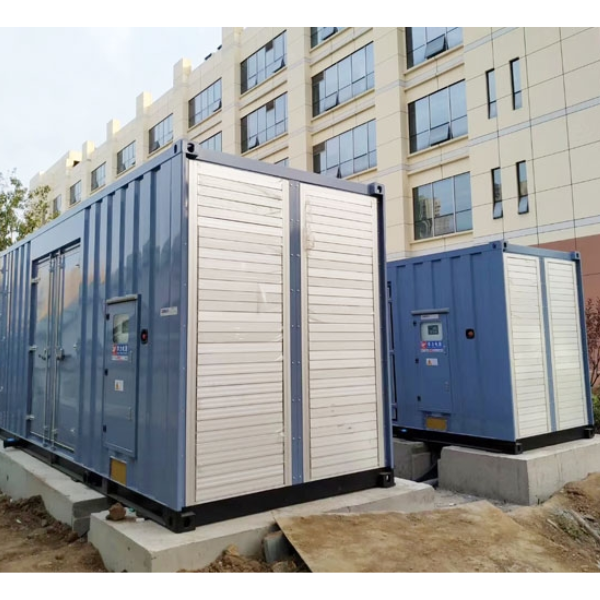
Hospital Backup Generator Recommend Products

Hospital Backup Generator Detail Introduction
Introduction
In modern healthcare facilities, the uninterrupted power supply is crucial for maintaining patient care, safety, and operational continuity. Hospital Backup Generator is a critical component in ensuring resilience against power outages. The reliance on electrically powered medical equipment necessitates a robust backup power system to mitigate the impact of power disruptions. Backup power generators play a pivotal role in ensuring hospital resilience by providing emergency power during grid failures or other electrical disruptions. Hospitals depend on a myriad of critical functions that require uninterrupted power supply, ranging from life-support equipment in intensive care units to diagnostic imaging systems and electronic medical records. Hospital Backup Power is essential to prevent disruptions in patient care, loss of patient data, and compromised patient safety during power outages.
Understanding the specific power requirements of different hospital departments and equipment is essential for designing an effective Hospital Backup Generator system. Critical functions in hospitals, such as life-support systems, operating theaters, and diagnostic imaging, require continuous power supply to ensure patient safety and quality of care. Power outages can have severe consequences, including delays in medical procedures, loss of vital patient information, and compromised patient outcomes. Thus, hospitals must assess their power needs comprehensively and design backup power systems that can meet the demands of various medical devices and systems.
Incorporating Large Diesel Generators into Hospital Backup Power systems offers a robust solution capable of meeting the extensive power demands typical of modern healthcare facilities. Large diesel generators are prized for their high power output, long-term reliability, and overall durability, making them an ideal choice for situations where failure is not an option. These generators can kick in within seconds of a power outage, ensuring that critical systems such as life support machines, operating theatres, and emergency lighting remain operational without interruption.
Backup power generators serve as reliable emergency power sources in hospitals, ensuring continuity of essential services during power outages. These generators come in various types, including diesel, natural gas, and propane, and typically consist of an engine, alternator, and control system. They are designed to automatically start and provide electricity when the main power supply fails. Regular maintenance and testing of backup generators are critical to ensure their reliability during emergencies. Hospital Backup Power generators must undergo routine inspections, performance testing, and preventive maintenance to identify and address any issues before they escalate into emergencies. Compliance with regulatory standards and accreditation requirements is crucial for hospitals to maintain their operational status and provide quality patient care. Regulating bodies such as the National Fire Protection Association (NFPA) and the Joint Commission set standards for backup power systems in healthcare facilities to ensure patient safety and operational continuity. Compliance with these standards helps hospitals mitigate risks associated with power outages and maintain their ability to deliver critical medical services.
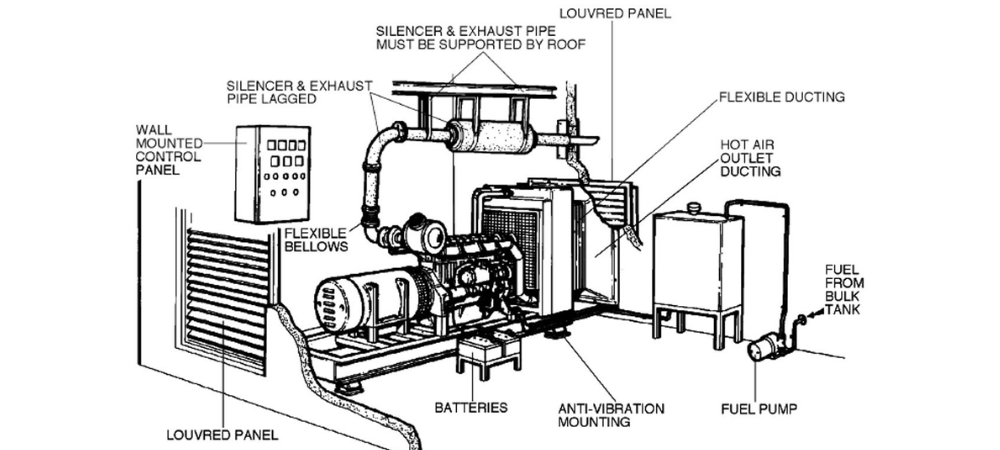
Hospital Backup Power
images source:https://power.anglo-thai.com/generator-room-design/
Understanding Hospital Power Needs
Hospitals have a multitude of critical functions that depend on uninterrupted power supply to ensure patient care and safety. Hospital Backup Power is essential to prevent disruptions in medical procedures, maintain patient comfort, and safeguard patient data. From life-support equipment in intensive care units to diagnostic imaging systems and electronic medical records, various medical devices and systems rely on electricity. Power outages in healthcare settings can have severe consequences, including delays in medical procedures, loss of vital patient information, and compromised patient outcomes. Thus, understanding the specific power requirements of different hospital departments and equipment is crucial for designing an effective Hospital Backup Power system.
The consequences of power outages in healthcare settings extend beyond medical procedures to impact patient safety and operational efficiency. Hospitals must have contingency plans in place to address power disruptions and ensure continuity of care. Backup power generators serve as a critical component of these contingency plans, providing emergency power during grid failures or other electrical disruptions. These generators are designed to automatically start and provide electricity when the main power supply fails, ensuring uninterrupted power supply to critical medical equipment and systems. Regular maintenance and testing of backup generators are essential to ensure their reliability during emergencies. Hospitals must conduct routine inspections, performance testing, and preventive maintenance to identify and address any issues before they escalate into emergencies.
Case studies showcasing the role of backup power generators in hospitals provide valuable insights into their effectiveness in maintaining hospital resilience. By analyzing instances where backup generators successfully prevented disruptions in patient care and medical procedures during power outages, hospitals can gain a better understanding of their importance. Additionally, comparing different backup power systems used in hospitals allows hospitals to identify best practices and areas for improvement. It is imperative for hospitals to continuously evaluate and enhance their backup power systems to ensure their readiness for power-related emergencies and safeguard patient care.
What is emergency power and backup power?
What is the difference between emergency power supply and backup power supply...
Backup power is another type of backup power system. It differs from emergency power in that it requires manual activation. Once an emergency is declared, the building owner or person in charge must turn on the backup power system. Backup systems fall into one of two categories: legally required and optional.
What kind of generator does the hospital use?
Diesel generator sets.
Hospital diesel generators are one of the most powerful options you can choose for particularly large surgeries. With capacities up to 14,040 ekW, these generators can support a wide range of equipment. They are designed to world-class standards and feature high efficiency and low fuel consumption.
What are the 4 types of generators?
Generator Types: A Complete Guide
There are four categories of generators: standard portable generators, portable power stations, variable frequency generators, and backup generators. Each type serves a different purpose and comes in models of different sizes, designs and fuel sources.
Who needs backup power?
Police stations, fire departments, and emergency response centers naturally expect to have emergency generators, which are required to provide uninterrupted power to communications systems and other equipment and to maintain critical operations during a disaster or emergency
Introduction to Backup Power Generators
Backup power generators are essential components of Hospital Backup Power systems, providing emergency electricity in the event of grid failures or other electrical disruptions. These generators come in various types, including diesel, natural gas, and propane, each with its own advantages and considerations. Diesel generators are known for their reliability and robustness, making them a popular choice for hospitals requiring high-power output and long runtime. Natural gas generators offer cleaner emissions and lower fuel costs, making them a more environmentally friendly option for hospitals concerned about air quality and sustainability. Propane generators are versatile and can be easily stored, making them suitable for hospitals with limited space or remote locations.
Regardless of the type, backup power generators typically consist of several key components, including an engine, alternator, fuel system, cooling system, and control system. The engine is responsible for converting fuel into mechanical energy, which drives the alternator to produce electricity. The fuel system supplies the engine with fuel, while the cooling system regulates engine temperature to prevent overheating. The control system monitors generator performance and initiates automatic startup and shutdown sequences in response to power outages and restoration.
Backup generators operate on a standby basis, meaning they remain idle until needed and automatically start when the main power supply fails. Upon detecting a power outage, the control system activates the generator, which then undergoes a startup sequence to bring it online and synchronize it with the hospital's electrical system. Once online, the generator supplies electricity to critical loads, such as life-support equipment, emergency lighting, and HVAC systems, ensuring uninterrupted power supply to essential hospital functions.
Regular maintenance and testing are essential to ensure the reliability of backup power generators. Hospitals must establish maintenance schedules and protocols to inspect, lubricate, and service generator components regularly. Additionally, conducting performance testing and load bank testing helps verify generator performance and identify any issues that may affect reliability. By maintaining backup generators in optimal condition, hospitals can ensure their readiness to provide emergency power during power outages and uphold patient care standards.
Case Studies: Real-Life Examples
Examination of case studies showcasing the role of backup power generators in hospitals
Case studies provide invaluable insights into the effectiveness of backup power generators in maintaining hospital resilience during power outages. By analyzing real-life scenarios, hospitals can better understand the challenges they may face and identify strategies for improvement. Here, we examine several case studies that highlight the critical role of backup power generators in ensuring uninterrupted patient care and operational continuity.
Case Study 1: Hospital A
During a severe storm, Hospital A experienced a prolonged power outage that lasted several hours. Despite the loss of grid power, the hospital's backup power generators seamlessly activated, providing emergency electricity to critical medical equipment and systems. As a result, patient care continued without interruption, and hospital operations remained fully functional. The backup generators demonstrated their reliability and effectiveness in maintaining hospital resilience during adverse weather conditions.
Case Study 2: Hospital B
In another instance, Hospital B encountered a power outage caused by a local electrical failure. The hospital's backup power generators failed to start automatically, resulting in a delay in providing emergency power. Although the generators were eventually manually started, the delay led to disruptions in patient care and operational inefficiencies. This case underscores the importance of regular maintenance and testing of backup generators to ensure their readiness for emergencies.
Case Study 3: Hospital C
Hospital C implemented a proactive approach to backup power system maintenance, conducting regular inspections, performance testing, and preventive maintenance tasks. When a power outage occurred due to scheduled maintenance by the local utility, the hospital's backup generators seamlessly activated, providing uninterrupted power supply to critical loads. The hospital's commitment to maintenance and testing protocols ensured the reliability of its backup power system and minimized disruptions to patient care.
By examining these case studies, hospitals can gain valuable insights into the challenges and best practices associated with backup power generators. It is evident that proactive maintenance and testing are crucial for ensuring the reliability of backup generators during emergencies. Hospitals must prioritize the implementation of robust maintenance protocols and invest in regular training for staff to enhance their readiness for power-related emergencies. Additionally, conducting periodic reviews and audits of backup power systems can help hospitals identify areas for improvement and optimize their resilience against power outages.
Regulatory Standards and Compliance
Regulatory standards and compliance requirements play a significant role in shaping the implementation and operation of backup power systems in healthcare facilities. These standards aim to ensure the safety, reliability, and effectiveness of backup power systems to safeguard patient care and operational continuity. Understanding and complying with regulatory requirements are essential for hospitals to maintain their operational status and meet accreditation standards.
One of the primary regulatory standards governing backup power systems in healthcare facilities is set forth by the National Fire Protection Association (NFPA). NFPA 110, Standard for Emergency and Standby Power Systems, provides comprehensive guidelines for the design, installation, operation, maintenance, and testing of emergency and standby power systems in healthcare facilities. This standard outlines specific requirements for generator sizing, fuel storage, transfer switches, and control systems to ensure the reliability of backup power systems during emergencies.
In addition to NFPA 110, hospitals must comply with regulations and accreditation requirements established by organizations such as the Centers for Medicare & Medicaid Services (CMS) and the Joint Commission. These organizations require hospitals to have emergency preparedness plans in place, including provisions for backup power systems, to ensure the safety and well-being of patients during emergencies. Hospitals undergo regular inspections and audits to assess their compliance with regulatory standards and accreditation requirements, and non-compliance may result in penalties or loss of accreditation status.
Compliance with regulatory standards and accreditation requirements requires hospitals to implement rigorous maintenance, testing, and documentation protocols for backup power systems. Hospitals must conduct regular inspections, performance testing, and preventive maintenance tasks to ensure the reliability of backup generators and associated equipment. Documentation of maintenance activities, test results, and equipment records is essential for demonstrating compliance with regulatory standards and accreditation requirements.
Overall, regulatory requirements and standards related to backup power systems in healthcare facilities are designed to ensure the safety, reliability, and effectiveness of these systems in protecting patient care and operational continuity during emergencies. Hospitals must prioritize compliance with these standards and invest in robust maintenance and testing protocols to uphold patient safety and meet regulatory requirements. By adhering to regulatory standards and accreditation requirements, hospitals can enhance their resilience to power-related disruptions and maintain high standards of patient care.
Cost-Benefit Analysis
Evaluation of the costs associated with installing, operating, and maintaining backup power generators in hospitals
The installation, operation, and maintenance of backup power generators in hospitals entail various costs that must be carefully evaluated to assess the economic feasibility and benefits of these systems. Understanding the costs associated with backup power generators is essential for hospitals to make informed decisions regarding their implementation and management.
Installation Costs:
- The initial cost of purchasing and installing backup power generators is a significant investment for hospitals. The cost varies depending on the size, type, and capacity of the generator, as well as any necessary infrastructure upgrades or modifications.
- Additional costs may include permits, fees, engineering and design services, and labor for installation and commissioning.
- Hospitals must also consider the cost of fuel storage and distribution systems, as well as any necessary environmental and safety measures to comply with regulatory requirements.
Operation Costs:
- The ongoing operation of backup power generators incurs fuel and maintenance expenses. The cost of fuel, whether diesel, natural gas, or propane, depends on market prices and consumption rates.
- Regular maintenance tasks, such as inspections, lubrication, filter replacements, and engine overhauls, incur labor and parts costs. Preventive maintenance is essential to ensure the reliability and longevity of backup generators.
- Hospitals may also incur expenses for monitoring and control systems, remote monitoring services, and staff training on generator operation and maintenance.
Maintenance Costs:
- The cost of maintaining backup power generators includes both routine maintenance and unexpected repairs or replacements. Hospitals must budget for scheduled maintenance tasks and allocate funds for emergency repairs to minimize downtime and ensure the reliability of backup generators.
- Contracting with third-party service providers for maintenance and repair services may incur additional costs but can provide expertise and support in managing backup power systems effectively.
Cost-Benefit Analysis:
- Conducting a comprehensive cost-benefit analysis helps hospitals evaluate the economic implications of backup power generators. The analysis considers the upfront capital investment, ongoing operational and maintenance costs, and potential benefits, such as preventing revenue loss from interrupted operations and minimizing liability risks.
- The economic benefits of backup power generators include safeguarding patient care, maintaining regulatory compliance, and protecting hospital reputation. Hospitals must weigh these benefits against the costs to determine the overall return on investment and cost-effectiveness of backup power systems.
Strategies for Cost Optimization:
- Hospitals can explore various strategies to optimize the cost-effectiveness of backup power generators, such as investing in energy-efficient equipment, implementing demand-side management measures, and negotiating favorable fuel supply contracts.
- Outsourcing maintenance and repair services to qualified service providers can help reduce operational costs and ensure the reliability of backup generators.
- Implementing preventive maintenance programs and adopting advanced monitoring and control systems can help hospitals identify and address potential issues before they escalate into emergencies, minimizing the risk of costly downtime and repairs.
In conclusion, evaluating the costs associated with installing, operating, and maintaining backup power generators is essential for hospitals to make informed decisions and optimize the economic efficiency of these systems. By conducting comprehensive cost-benefit analyses and implementing cost optimization strategies, hospitals can ensure the reliability of backup power systems while maximizing their value and benefits in safeguarding patient care and operational continuity.
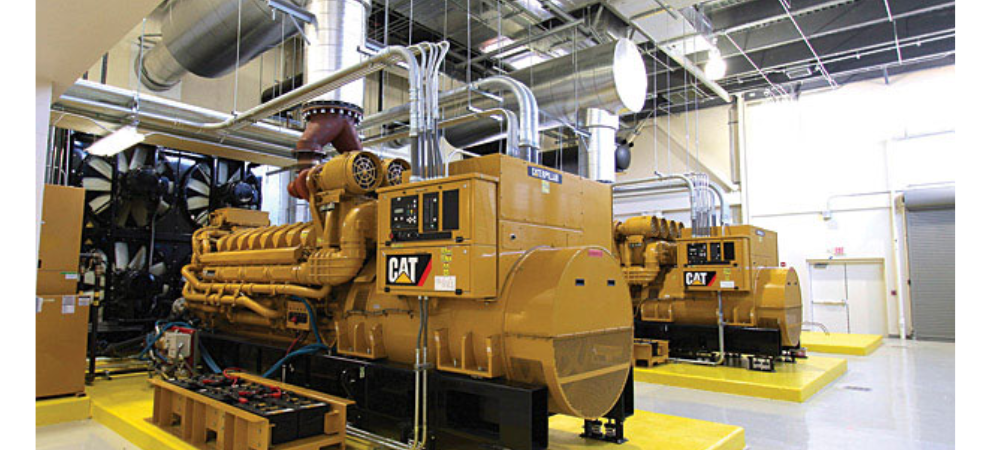
North Carolina Hospital's Emergency Power System Carries
Integration with Hospital Infrastructure
The integration of backup power generators with hospital electrical systems is a critical process that requires careful planning, coordination, and execution to ensure seamless operation during power outages. Hospitals must consider various factors, including generator placement, sizing, and connection to critical loads, to optimize the effectiveness of backup power systems and maintain patient care standards.
Generator Placement:
- Selecting the optimal location for backup power generators is essential to ensure accessibility, safety, and efficiency. Generators should be strategically positioned to minimize transmission losses, maximize fuel efficiency, and facilitate maintenance and service access.
- Factors such as local building codes, zoning regulations, noise restrictions, and environmental considerations may influence generator placement decisions. Hospitals must comply with regulatory requirements and obtain necessary permits for generator installation.
Sizing and Capacity:
- Determining the appropriate size and capacity of backup power generators is crucial to meet the electrical demands of critical hospital loads during power outages. Hospitals must conduct load assessments to identify essential equipment and systems that require backup power support.
- Generators should be sized to accommodate peak load conditions and account for future expansion or changes in electrical demand. Oversizing or undersizing generators can lead to inefficiencies, increased costs, and compromised reliability during emergencies.
Connection to Critical Loads:
- Backup power generators must be connected to critical loads, such as life-support equipment, emergency lighting, HVAC systems, and communication systems, to ensure uninterrupted operation during power outages. Hospitals must prioritize these loads and establish priority circuits to maintain essential services.
- Automatic transfer switches (ATS) or paralleling switchgear are commonly used to facilitate seamless transition between utility power and generator power. These devices detect power outages and automatically transfer electrical loads to the backup generator, ensuring continuous power supply to critical loads without interruption.
Coordination and Testing:
- Coordination between electrical engineers, facility managers, and healthcare personnel is essential throughout the integration process to address technical requirements, operational needs, and safety considerations. Regular communication and collaboration help ensure the successful implementation of backup power systems.
- Comprehensive testing and commissioning of backup power generators and associated equipment are necessary to verify system performance, reliability, and compliance with regulatory standards. Hospitals must conduct startup tests, load tests, and transfer tests to validate the functionality of backup power systems under various operating conditions.
Documentation and Training:
- Hospitals must maintain accurate documentation of backup power system specifications, installation records, testing results, and maintenance activities. Documentation serves as a reference for future maintenance, troubleshooting, and regulatory compliance purposes.
- Training programs for facility staff on backup power system operation, maintenance, and emergency procedures are essential to ensure safe and efficient operation during power outages. Staff should be familiar with generator startup procedures, fuel management, troubleshooting techniques, and emergency response protocols.
By carefully integrating backup power generators with hospital electrical systems and prioritizing safety, reliability, and regulatory compliance, hospitals can enhance their resilience to power outages and ensure continuous patient care and operational continuity. Effective integration requires thorough planning, coordination, and adherence to industry best practices and standards.
Maintenance and Testing Protocols
Maintaining and regularly testing backup power generators are essential best practices for hospitals to ensure the reliability and effectiveness of these systems during emergencies. Proper maintenance and testing protocols help identify and address potential issues before they escalate into emergencies, minimize downtime, and uphold patient care standards. Here are some best practices for maintenance and testing of backup power generators in hospitals:
Scheduled Maintenance:
- Establish a comprehensive maintenance schedule for backup power generators based on manufacturer recommendations, industry standards, and regulatory requirements.
- Conduct routine inspections, lubrication, and servicing of generator components, including engines, alternators, fuel systems, cooling systems, and control panels.
- Replace consumable items such as fuel filters, oil filters, belts, hoses, and batteries according to recommended intervals to prevent equipment failure.
Preventive Maintenance Tasks:
- Perform preventive maintenance tasks to proactively identify and address potential issues before they impact generator performance.
- Inspect electrical connections, wiring, and components for signs of corrosion, wear, or damage, and repair or replace as necessary.
- Test and calibrate sensors, gauges, and control systems to ensure accurate monitoring and operation of backup generators.
Load Testing:
- Conduct regular load bank testing to verify generator performance and capacity under simulated operating conditions.
- Load testing helps identify potential issues such as voltage fluctuations, frequency deviations, and load imbalance that may affect generator reliability during emergencies.
- Test backup generators at varying load levels to assess their ability to meet the electrical demands of critical hospital loads during power outages.
Fuel Management:
- Implement a fuel management program to ensure the availability, quality, and reliability of fuel supply for backup generators.
- Monitor fuel levels, conductivity, and contamination regularly to prevent fuel-related issues such as microbial growth, water infiltration, and sediment buildup.
- Establish procedures for fuel replenishment, rotation, and storage to maintain fuel freshness and integrity.
Environmental Considerations:
- Consider environmental factors such as temperature, humidity, and exposure to corrosive elements when designing and maintaining backup power generator installations.
- Implement measures to protect generators from adverse weather conditions, flooding, and environmental contaminants.
- Regularly inspect generator enclosures, ventilation systems, and exhaust systems for signs of damage or obstruction and address any issues promptly.
Documentation and Record-Keeping:
- Maintain accurate documentation of maintenance activities, testing results, repairs, and equipment records for backup power generators.
- Document operational parameters, performance metrics, and any deviations from expected values during maintenance and testing procedures.
- Keep detailed records of parts replacements, repairs, and service history to track the reliability and lifecycle of backup generators.
By following these best practices for maintenance and regular testing of backup power generators, hospitals can ensure the reliability, readiness, and effectiveness of these systems in providing emergency power during power outages. Effective maintenance and testing protocols help minimize the risk of equipment failure, optimize generator performance, and uphold patient care standards in healthcare facilities.
Scheduled Maintenance: | Establish a comprehensive maintenance schedule for backup power generators based on manufacturer recommendations, industry standards, and regulatory requirements. Conduct routine inspections, lubrication, and servicing of generator components, including engines, alternators, fuel systems, cooling systems, and control panels. Replace consumable items such as fuel filters, oil filters, belts, hoses, and batteries according to recommended intervals to prevent equipment failure. |
Preventive Maintenance Tasks: | Perform preventive maintenance tasks to proactively identify and address potential issues before they impact generator performance. Inspect electrical connections, wiring, and components for signs of corrosion, wear, or damage, and repair or replace as necessary. Test and calibrate sensors, gauges, and control systems to ensure accurate monitoring and operation of backup generators. |
Load Testing: | Conduct regular load bank testing to verify generator performance and capacity under simulated operating conditions. Load testing helps identify potential issues such as voltage fluctuations, frequency deviations, and load imbalance that may affect generator reliability during emergencies. Test backup generators at varying load levels to assess their ability to meet the electrical demands of critical hospital loads during power outages. |
Training and Emergency Preparedness
Preventive maintenance plays a crucial role in ensuring the reliability and effectiveness of backup power systems in hospitals. By proactively identifying and addressing potential issues before they escalate into emergencies, preventive maintenance helps minimize downtime, optimize system performance, and uphold patient care standards. Here's a discussion on the role of preventive maintenance in ensuring the reliability of backup power systems:
Proactive Identification of Issues:
- Preventive maintenance involves regular inspections, testing, and servicing of backup power generators to detect and address potential issues before they affect system performance.
- Through proactive monitoring and assessment of generator components, preventive maintenance helps identify signs of wear, corrosion, leaks, and other abnormalities that may lead to equipment failure or malfunction.
Optimization of System Performance:
- Regular maintenance tasks such as lubrication, cleaning, and adjustments help optimize the performance of backup power generators and associated equipment.
- By ensuring proper alignment, tension, and operation of mechanical components, preventive maintenance minimizes friction, vibration, and wear, thus extending the lifespan of generator components and improving overall system reliability.
Prevention of Unexpected Failures:
- Preventive maintenance helps mitigate the risk of unexpected failures or breakdowns by addressing potential issues proactively.
- By replacing worn or deteriorated parts, tightening loose connections, and correcting minor malfunctions during routine inspections, preventive maintenance reduces the likelihood of sudden equipment failures and ensures continuous availability of emergency power.
Compliance with Regulatory Standards:
- Many regulatory standards and accreditation requirements mandate the implementation of preventive maintenance programs for backup power systems in healthcare facilities.
- Compliance with these standards not only ensures patient safety and operational continuity but also protects hospitals from liability risks and regulatory penalties associated with equipment failures or non-compliance.
Cost-Effectiveness:
- Although preventive maintenance requires upfront investment in time, resources, and labor, it is generally more cost-effective than reactive maintenance or emergency repairs.
- By addressing issues early and preventing major failures, preventive maintenance helps minimize downtime, repair costs, and revenue loss associated with interrupted operations during power outages.
Enhanced System Resilience:
- Regular preventive maintenance contributes to the overall resilience of backup power systems by ensuring their readiness and reliability during emergencies.
- Hospitals that prioritize preventive maintenance can confidently rely on their backup power systems to provide uninterrupted power supply to critical loads, thus safeguarding patient care and safety during power outages.
In conclusion, preventive maintenance plays a critical role in ensuring the reliability, readiness, and effectiveness of backup power systems in hospitals. By proactively addressing potential issues, optimizing system performance, and minimizing the risk of unexpected failures, preventive maintenance helps hospitals uphold patient care standards and maintain operational continuity during power outages and emergencies.
Prevention of Unexpected Failures: | Preventive maintenance helps mitigate the risk of unexpected failures or breakdowns by addressing potential issues proactively. By replacing worn or deteriorated parts, tightening loose connections, and correcting minor malfunctions during routine inspections, preventive maintenance reduces the likelihood of sudden equipment failures and ensures continuous availability of emergency power. |
Compliance with Regulatory Standards: | Many regulatory standards and accreditation requirements mandate the implementation of preventive maintenance programs for backup power systems in healthcare facilities. Compliance with these standards not only ensures patient safety and operational continuity but also protects hospitals from liability risks and regulatory penalties associated with equipment failures or non-compliance. |
Environmental Considerations
Training programs for hospital staff on emergency response procedures during power outages are essential to ensure the safety, readiness, and effectiveness of response efforts. Hospitals must prepare their staff to respond promptly and effectively to power-related emergencies to minimize disruptions to patient care and maintain operational continuity. Here's an overview of training programs for hospital staff on emergency response procedures during power outages:
Emergency Preparedness Training:
- Hospitals conduct comprehensive emergency preparedness training programs to educate staff on the protocols, procedures, and roles and responsibilities during power outages and other emergencies.
- Training sessions cover topics such as emergency communication procedures, evacuation protocols, patient triage and prioritization, and coordination with external agencies and stakeholders.
Power Failure Response Training:
- Specific training modules focus on the response procedures and protocols during power outages, including the activation of backup power systems, identification of critical loads, and implementation of contingency plans.
- Staff members receive training on how to assess the severity and impact of power outages, prioritize patient care activities, and allocate resources effectively to address immediate needs.
Generator Operation and Maintenance Training:
- Training programs include hands-on instruction and demonstrations on the operation, maintenance, and troubleshooting of backup power generators.
- Staff members learn how to start, stop, and monitor generator operation, perform routine maintenance tasks, and respond to common issues or malfunctions that may arise during power outages.
Communication and Coordination Training:
- Effective communication and coordination are critical during power outages to ensure seamless response and collaboration among hospital departments, staff members, and external stakeholders.
- Training programs emphasize the importance of clear communication channels, designated communication points, and the establishment of command structures to facilitate information sharing and decision-making.
Patient Care and Safety Training:
- Staff members receive training on patient care and safety measures during power outages, including the use of alternative lighting, heating, and ventilation systems, and the implementation of infection control measures.
- Training programs address the unique needs of vulnerable patient populations, such as neonates, elderly patients, and individuals with mobility or medical issues, and provide guidance on ensuring their safety and well-being during emergencies.
Simulation Exercises and Drills:
- Hospitals conduct regular simulation exercises and drills to assess staff readiness and proficiency in responding to power-related emergencies.
- These exercises simulate realistic scenarios, such as prolonged power outages, generator failures, and patient surge events, to test staff skills, decision-making abilities, and teamwork under pressure.
By providing comprehensive training programs for hospital staff on emergency response procedures during power outages, hospitals can enhance their preparedness, resilience, and capacity to maintain patient care standards and operational continuity during emergencies. Training programs empower staff members with the knowledge, skills, and confidence to respond effectively to power-related emergencies and ensure the safety and well-being of patients, staff, and visitors.
Future Trends and Innovations
Environmental factors and regulations related to backup power generator emissions are important considerations for healthcare facilities to ensure compliance with environmental standards and protect air quality. Backup power generators, particularly those powered by diesel fuel, emit pollutants such as nitrogen oxides (NOx), particulate matter (PM), carbon monoxide (CO), and sulfur dioxide (SO2), which can have adverse effects on public health and the environment. Here's an examination of environmental factors and regulations related to backup power generator emissions in healthcare facilities:
Environmental Factors:
- Backup power generators emit pollutants during operation, including harmful gases and particulate matter that can contribute to air pollution and affect air quality.
- Environmental factors such as population density, proximity to sensitive receptors (e.g., residential areas, schools, healthcare facilities), prevailing wind patterns, and topography can influence the dispersion and impact of generator emissions.
- Hospitals must consider environmental factors when siting backup power generators to minimize potential exposure to emissions and mitigate impacts on nearby communities and sensitive populations.
Regulatory Standards:
- Regulatory agencies at the federal, state, and local levels establish emissions standards and regulations to limit the environmental impact of backup power generator emissions.
- The U.S. Environmental Protection Agency (EPA) sets emission standards for stationary diesel engines, including backup power generators, under the Clean Air Act. These standards regulate emissions of NOx, PM, CO, and other pollutants to protect air quality and public health.
- State and local environmental agencies may impose additional emissions regulations, permitting requirements, and emission control measures based on local air quality conditions and public health considerations.
Compliance Requirements:
- Healthcare facilities must comply with regulatory emissions standards and permit requirements for backup power generators to ensure legal compliance and minimize environmental impacts.
- Compliance measures may include installing emission control technologies such as diesel particulate filters (DPF), selective catalytic reduction (SCR) systems, or oxidation catalysts to reduce pollutant emissions.
- Hospitals must maintain accurate records of generator emissions, emissions testing results, and compliance documentation to demonstrate regulatory compliance and respond to regulatory inquiries or audits.
Mitigation Strategies:
- Hospitals can implement various mitigation strategies to minimize the environmental impact of backup power generator emissions, such as:
- Using cleaner-burning fuels, such as ultra-low sulfur diesel (ULSD) or natural gas, to reduce emissions of sulfur dioxide and particulate matter.
- Retrofitting existing generators with emission control technologies to reduce NOx, PM, and CO emissions.
- Implementing operational measures, such as load management strategies, optimizing generator runtimes, and conducting regular maintenance to maximize fuel efficiency and minimize emissions.
- Considering alternative power generation technologies, such as renewable energy sources (e.g., solar, wind) or energy storage systems, to reduce reliance on fossil fuel-powered generators and lower overall emissions.
By addressing environmental factors and complying with regulatory standards related to backup power generator emissions, healthcare facilities can minimize their environmental footprint, protect air quality, and contribute to public health and environmental sustainability. Implementing mitigation strategies and adopting cleaner technologies can help hospitals meet emissions requirements while ensuring reliable backup power supply for critical healthcare operations.
Global Perspectives: Varied Applications
Emerging technologies and innovations in backup power generation offer promising solutions to enhance the resilience, efficiency, and sustainability of hospital backup power systems. By leveraging advancements in power generation, storage, control, and monitoring technologies, hospitals can improve their readiness to respond to power outages and enhance patient care standards. Here's an exploration of emerging technologies and innovations in backup power generation for hospitals:
Smart Grid Integration:
- Smart grid integration enables hospitals to participate in demand response programs and dynamic load management schemes to optimize energy consumption and reduce peak demand.
- Advanced grid-connected backup power systems can synchronize with the grid, allowing hospitals to sell excess power back to the grid during periods of low demand and draw power from the grid when needed.
Energy Storage Solutions:
- Battery energy storage systems (BESS) provide on-site energy storage capacity to supplement backup power generators and improve system reliability.
- Lithium-ion batteries, flow batteries, and other advanced energy storage technologies offer fast response times, high energy density, and long cycle life, making them suitable for critical healthcare applications.
Microgrid Implementation:
- Microgrid systems enable hospitals to operate as self-sufficient energy islands during power outages by integrating multiple distributed energy resources (DERs) such as generators, solar panels, and energy storage systems.
- Hospitals can optimize microgrid operation based on real-time energy demand, grid conditions, and renewable energy availability to maximize energy efficiency and resilience.
Remote Monitoring and Predictive Maintenance:
- Remote monitoring systems utilize sensors, data analytics, and predictive algorithms to continuously monitor backup power generators' performance and identify potential issues before they escalate into failures.
- Predictive maintenance techniques enable hospitals to schedule maintenance tasks proactively, optimize equipment uptime, and extend the lifespan of critical components.
Hybrid Power Systems:
- Hybrid power systems combine multiple energy sources, such as diesel generators, solar photovoltaic (PV) panels, wind turbines, and energy storage, to provide reliable backup power with reduced environmental impact.
- By integrating renewable energy sources with traditional backup generators, hospitals can reduce reliance on fossil fuels, lower emissions, and enhance sustainability.
Fuel Cell Technology:
- Fuel cell-based backup power systems utilize hydrogen fuel cells to generate electricity through an electrochemical process, offering high efficiency, low emissions, and quiet operation.
- Hydrogen fuel cells can serve as a clean and reliable alternative to diesel generators, especially in urban areas or sensitive environments where emissions and noise are significant concerns.
Modular and Scalable Solutions:
- Modular backup power systems consist of prefabricated, standardized modules that can be easily installed, expanded, or upgraded to accommodate changing energy demands and facility requirements.
- Scalable solutions allow hospitals to incrementally add capacity or integrate new technologies as needed, providing flexibility and future-proofing against evolving energy needs.
By exploring and adopting emerging technologies and innovations in backup power generation, hospitals can enhance their resilience, efficiency, and sustainability while ensuring reliable and uninterrupted power supply for critical healthcare operations. These advancements offer opportunities to improve patient care standards, reduce operational costs, and mitigate environmental impacts, positioning hospitals for long-term success in a rapidly evolving energy landscape.
Public Health Implications
Backup power generator practices vary significantly across different regions and healthcare systems worldwide due to differences in infrastructure, regulations, climate conditions, and resource availability. While backup power generators play a crucial role in ensuring the resilience of healthcare facilities during power outages globally, they also face common challenges and unique considerations based on local contexts. Here's an examination of backup power generator practices and challenges in different regions and healthcare systems worldwide:
Developed Countries:
- Developed countries with robust healthcare systems typically have well-established backup power generator practices and stringent regulatory standards to ensure the reliability of emergency power supply in hospitals.
- These regions often prioritize advanced technologies, such as smart grid integration, energy storage solutions, and remote monitoring systems, to enhance the efficiency and effectiveness of backup power systems.
- Challenges may include aging infrastructure, budget constraints, and environmental concerns, requiring hospitals to balance reliability, cost-effectiveness, and sustainability in their backup power strategies.
Developing Countries:
- Developing countries often face greater challenges in maintaining reliable backup power supply due to inadequate infrastructure, limited resources, and regulatory gaps.
- Hospitals in these regions may rely on diesel-powered generators as the primary backup power source, with limited access to alternative technologies or renewable energy solutions.
- Challenges such as fuel supply disruptions, inadequate maintenance practices, and funding constraints may impact the reliability and effectiveness of backup power systems, posing risks to patient care and operational continuity.
Urban Environments:
- Hospitals located in densely populated urban areas face unique challenges related to space constraints, noise pollution, and emissions regulations when deploying backup power generators.
- These regions may explore alternative technologies such as fuel cells, battery energy storage, and microgrid solutions to mitigate environmental impacts and comply with local regulations while ensuring reliable backup power supply.
Rural and Remote Areas:
- Hospitals in rural and remote areas often grapple with limited access to grid infrastructure, fuel supply, and technical expertise, making backup power generator deployment and maintenance more challenging.
- Off-grid solutions such as solar PV systems, wind turbines, and hybrid power systems may offer viable alternatives to diesel generators in remote healthcare facilities, providing clean, sustainable, and reliable power supply.
Climate-Sensitive Regions:
- Hospitals located in climate-sensitive regions, prone to extreme weather events such as hurricanes, typhoons, or heatwaves, face heightened risks of power outages and require robust backup power strategies.
- These regions may invest in resilient infrastructure, storm-resistant generator enclosures, and proactive maintenance practices to withstand adverse weather conditions and ensure continuous power supply during emergencies.
Regulatory and Compliance Considerations:
- Regulatory frameworks and compliance requirements vary across regions, influencing backup power generator practices and standards in healthcare facilities.
- Compliance with emissions regulations, permitting requirements, and safety standards may pose additional challenges for hospitals, particularly in regions with strict environmental regulations.
By examining backup power generator practices and challenges in different regions and healthcare systems worldwide, hospitals can gain insights into best practices, innovative solutions, and regulatory considerations to enhance their resilience to power outages and ensure continuous patient care and safety. Collaborative efforts between stakeholders, policymakers, and industry experts are essential to address the diverse needs and challenges of backup power generation in healthcare facilities globally.
Urban Environments: | Hospitals located in densely populated urban areas face unique challenges related to space constraints, noise pollution, and emissions regulations when deploying backup power generators. These regions may explore alternative technologies such as fuel cells, battery energy storage, and microgrid solutions to mitigate environmental impacts and comply with local regulations while ensuring reliable backup power supply. |
Rural and Remote Areas: | Hospitals in rural and remote areas often grapple with limited access to grid infrastructure, fuel supply, and technical expertise, making backup power generator deployment and maintenance more challenging. Off-grid solutions such as solar PV systems, wind turbines, and hybrid power systems may offer viable alternatives to diesel generators in remote healthcare facilities, providing clean, sustainable, and reliable power supply. |
Collaborative Partnerships and Stakeholder Engagement
Power outages in hospitals have significant public health implications, affecting patient safety, infection control measures, and healthcare access. Hospitals rely on continuous and reliable power supply to support critical medical equipment, maintain environmental conditions, and ensure the safety and well-being of patients. When power outages occur, hospitals face challenges in delivering timely and effective patient care, mitigating infection risks, and preserving healthcare access. Here's a discussion on the public health implications of power outages in hospitals:
Patient Safety:
- Power outages compromise patient safety by disrupting essential medical services, such as life-support systems, ventilators, and monitoring equipment, which rely on electricity to function.
- Patients in critical condition or undergoing medical procedures may be at risk of harm or injury if vital equipment fails or if medical interventions are delayed due to power outages.
- Hospitals must implement contingency plans, backup power systems, and emergency response protocols to ensure the safety and well-being of patients during power outages.
Infection Control Measures:
- Power outages can compromise infection control measures in hospitals, increasing the risk of healthcare-associated infections (HAIs) and transmission of infectious diseases.
- Disruptions to heating, ventilation, and air conditioning (HVAC) systems may compromise indoor air quality, humidity levels, and temperature control, creating conditions conducive to the spread of airborne pathogens and bacteria.
- Hospitals must implement alternative infection control measures, such as manual ventilation, isolation protocols, and environmental cleaning procedures, to minimize infection risks during power outages.
Medical Equipment and Supplies:
- Power outages may disrupt access to essential medical equipment, supplies, and pharmaceuticals, jeopardizing patient care and treatment outcomes.
- Hospitals must maintain adequate stockpiles of backup medical equipment, emergency supplies, and medications to address potential shortages or disruptions during power outages.
- Backup power generators and uninterrupted power supply (UPS) systems play a critical role in ensuring the availability and functionality of essential medical equipment and supplies during emergencies.
Healthcare Access:
- Power outages can impact healthcare access by disrupting hospital operations, outpatient services, and medical transportation systems.
- Patients may experience delays or cancellations of appointments, elective surgeries, and diagnostic procedures due to power-related disruptions, affecting their access to timely medical care.
- Hospitals must communicate effectively with patients, caregivers, and the community during power outages to provide updates, instructions, and alternative care options to minimize disruptions to healthcare access.
Vulnerable Populations:
- Vulnerable populations, such as elderly patients, pediatric patients, individuals with disabilities, and those with chronic medical conditions, may be disproportionately affected by power outages due to their increased healthcare needs and reliance on medical technology.
- Hospitals must prioritize the needs of vulnerable populations during power outages, ensuring access to essential medical services, medications, and support services to mitigate adverse health outcomes.
In conclusion, power outages in hospitals have significant public health implications, impacting patient safety, infection control measures, healthcare access, and vulnerable populations. Hospitals must implement robust emergency preparedness plans, backup power systems, and infection control measures to mitigate the risks associated with power outages and ensure the continuity of patient care during emergencies. Collaborative efforts between healthcare providers, emergency responders, government agencies, and community stakeholders are essential to address the public health challenges posed by power outages in hospitals effectively.
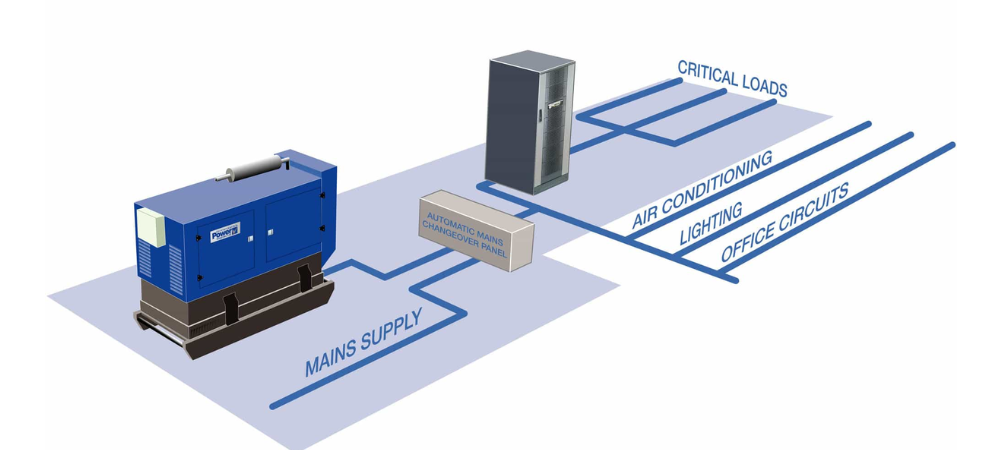
Backup power supply for hospital
images source:https://www.kohler-ups.co.uk/ensuring-safe-stable-environment-standby-power-hospital-applications/
Conclusion
Backup power generators play a crucial role in ensuring hospital resilience by providing reliable and uninterrupted power supply during emergencies, such as power outages. Through this summary, we highlight key findings regarding the significance of backup power generators in maintaining hospital operations, safeguarding patient care, and enhancing overall resilience:
Reliability and Continuity: Backup power generators serve as critical infrastructure components that ensure the continuous operation of essential medical equipment, life-support systems, and facility infrastructure during power outages. By providing backup power, generators help hospitals maintain patient care standards, uphold safety protocols, and mitigate risks associated with power disruptions.
Patient Safety and Care: The availability of backup power generators is essential for ensuring patient safety and care continuity in hospitals. During power outages, patients rely on medical equipment and life-support systems powered by backup generators to sustain vital functions, monitor health status, and receive necessary treatments. Generators contribute to maintaining a safe and stable healthcare environment, minimizing disruptions to patient care and reducing the risk of adverse outcomes.
Regulatory Compliance: Hospitals are subject to regulatory requirements and accreditation standards that mandate the availability of backup power systems to ensure operational resilience and patient safety. Compliance with regulatory standards, such as those set forth by healthcare accreditation bodies and environmental agencies, is essential for demonstrating preparedness, mitigating liabilities, and maintaining accreditation status.
Emergency Response Preparedness: Backup power generators are integral components of hospitals' emergency response plans, which outline protocols, procedures, and resource allocations for managing power-related emergencies. Hospitals conduct regular training exercises, drills, and simulations to test the effectiveness of backup power systems and enhance staff readiness to respond to emergencies.
Cost-Effectiveness and Efficiency: While the initial investment and operating costs associated with backup power generators may be significant, they offer long-term cost-effectiveness by preventing revenue loss, minimizing operational disruptions, and safeguarding patient care delivery during power outages. Hospitals can optimize the cost-effectiveness of backup power solutions through efficient operation, regular maintenance, and adherence to best practices.
In conclusion, backup power generators play a pivotal role in ensuring hospital resilience by providing reliable emergency power supply, safeguarding patient safety, and maintaining operational continuity during power outages. Hospitals must prioritize the deployment, maintenance, and testing of backup power systems to mitigate risks, comply with regulatory standards, and uphold patient care standards. By investing in robust backup power infrastructure and emergency preparedness measures, hospitals can enhance their resilience to power-related disruptions and ensure the delivery of uninterrupted healthcare services to patients.
Common Questions About Hospital Backup Power
1.Why do hospitals need backup power?
- Hospitals require backup power to maintain critical operations, such as life support systems, medical equipment, lighting, and HVAC systems, during power outages. Continuity of power is essential for patient care, safety, and the functioning of essential healthcare services.
2.What types of backup power systems do hospitals use?
- Hospitals commonly use diesel generators, natural gas generators, and uninterruptible power supply (UPS) systems as backup power sources. These systems provide emergency power supply to critical loads and ensure uninterrupted operation during power outages.
3.How long can hospital backup power systems operate during an outage?
- The duration of backup power operation depends on factors such as the capacity of the generator, fuel supply, load demand, and maintenance of the system. Hospitals typically have backup power systems designed to provide power for several hours to days, allowing sufficient time for power restoration or transition to alternative power sources.
4.What maintenance is required for hospital backup power systems?
- Maintenance of hospital backup power systems includes regular inspections, testing, servicing, and preventive maintenance tasks to ensure reliability and readiness during emergencies. Components such as engines, fuel systems, batteries, and control panels require periodic maintenance to minimize the risk of failure.
5.How often should hospital backup power systems be tested?
- Hospital backup power systems should be tested regularly according to established protocols and regulatory requirements. Common testing frequencies include weekly or monthly functional tests, load bank tests, and annual comprehensive inspections to verify system readiness and performance.
6.Are hospital backup power systems environmentally friendly?
- Hospital backup power systems, particularly diesel generators, can emit pollutants such as nitrogen oxides (NOx), particulate matter (PM), and carbon monoxide (CO). Hospitals may implement emission control technologies, use cleaner fuel options, or explore alternative energy sources to minimize environmental impact and comply with regulatory standards.
7.What regulations govern hospital backup power systems?
- Hospital backup power systems are subject to regulatory standards and requirements set forth by government agencies, healthcare accreditation bodies, and environmental authorities. Regulations address aspects such as equipment design, installation, maintenance, emissions control, and emergency preparedness to ensure system reliability, safety, and compliance.
8.How do hospitals ensure the reliability of backup power systems?
- Hospitals ensure the reliability of backup power systems through proactive maintenance, regular testing, staff training, and adherence to best practices. Comprehensive maintenance programs, monitoring systems, and emergency response protocols are essential components of hospital resilience strategies to minimize risks and ensure continuous power supply during emergencies.
9.Can backup power systems support all hospital operations during an outage?
- Backup power systems are typically designed to support critical loads essential for patient care and safety during power outages. Hospitals prioritize backup power supply for critical areas such as emergency departments, intensive care units, operating rooms, and life support systems, while non-essential operations may be temporarily suspended or scaled back until normal power is restored.
10.How do hospitals ensure fuel availability for backup power systems during emergencies?
- Hospitals maintain fuel supply agreements with fuel suppliers, establish fuel management protocols, and stockpile sufficient fuel reserves to sustain backup power systems during emergencies. Regular fuel monitoring, testing, and replenishment ensure fuel availability and system readiness to support extended power outages.
Reference sources:
- Wikipedia's Electric Generator Page: Offers a historical overview, types, and applications of electric generators. https://en.wikipedia.org/wiki/Electric_generator
- IEEE Xplore Digital Library: Provides access to technical literature in electrical engineering, computer science, and electronics. https://ieeexplore.ieee.org/
- ScienceDirect: An extensive database of scientific and technical research, covering various aspects of electric generators. https://www.sciencedirect.com/
- Google Scholar: A freely accessible web search engine that indexes the full text or metadata of scholarly literature across an array of publishing formats and disciplines. https://scholar.google.com/
- ResearchGate: A social networking site for scientists and researchers to share papers, ask and answer questions, and find collaborators. https://www.researchgate.net/