



Powering the Future: Innovations in Large Diesel Generator Technology for European Markets
Introduction to Modern Large Diesel Generators
The evolution of large diesel generator technology marks a significant advancement in power generation, catering to the growing needs of the modern world. These powerful machines are designed to provide a reliable source of energy, playing a crucial role in the infrastructure of European markets where stability and efficiency are paramount.
Overview of Large Diesel Generator Technology
Large diesel generators work on the principle of converting mechanical energy into electrical power through the combustion of diesel fuel. Their robust design and high efficiency make them an ideal choice for a wide range of applications, from supporting main power grids during peak demands to serving as primary power sources in remote or off-grid locations. The key to their widespread use lies in their reliability, longevity, and the capability to produce a significant amount of power at a comparatively lower operating cost.
The Role of Diesel Generators in Europe's Energy Landscape
In Europe, where environmental concerns and energy efficiency are of paramount importance, large diesel generators have undergone significant transformations. They are not just seen as backup power solutions but as integral components of a comprehensive energy strategy. Europe's push towards renewable energy sources has highlighted the need for reliable backup systems that can kick in when solar or wind resources are insufficient. Here, large diesel generators come into play, offering a seamless transition to ensure continuous power supply.
The strategic importance of these generators is underscored by their adaptability to work in conjunction with renewable energy technologies. By providing a stable power output during periods of low renewable generation, they help maintain grid stability and support the broader integration of green energy sources.
Moreover, European environmental standards have driven advancements in diesel generator technology, pushing manufacturers to innovate cleaner and more efficient models. Today's large diesel generators are equipped with advanced emission control technologies, making them more environmentally friendly than their predecessors. This evolution reflects Europe's commitment to reducing carbon footprints while meeting its energy needs.
As Europe continues to grow and diversify its energy portfolio, the role of large diesel generators is set to become even more critical. Their ability to provide reliable, efficient, and sustainable power solutions aligns perfectly with the continent's energy goals, positioning them as key players in powering the future.
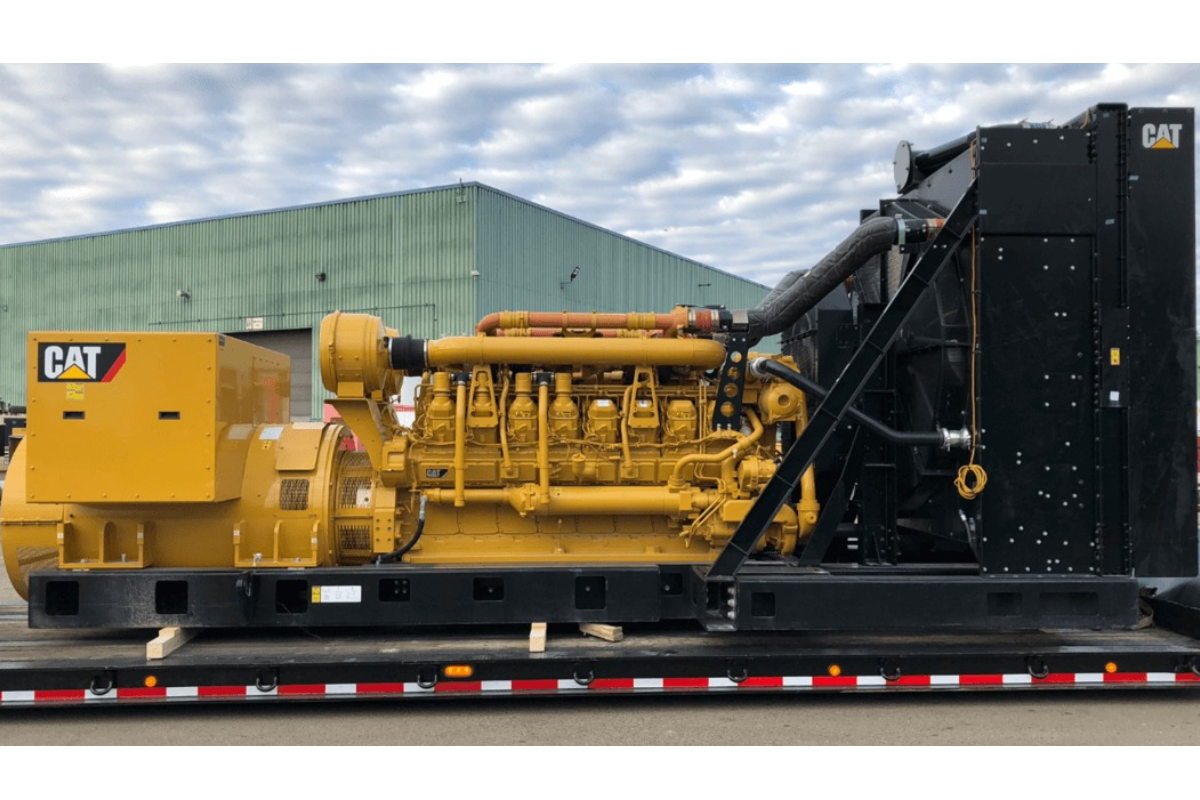
Large Diesel Generator
images source:https://csdieselgenerators.com/new-caterpillar-3516e-diesel-generator--0-hrs--epa-tier-2-2521.html
Evolution of Diesel Generator Technology
The journey of diesel generator technology from its inception to the modern era is a tale of continuous innovation and adaptation. This evolution reflects not just technological advancements but also a growing awareness of environmental and efficiency concerns.
Historical Development of Diesel Generators
Diesel generators, rooted in Rudolf Diesel's invention of the diesel engine in the late 19th century, were initially recognized for their efficiency and power. Early diesel engines, though bulky and slow to start, offered a more energy-dense fuel alternative to gasoline, marking them as preferred choices for heavy-duty applications. The development of the diesel generator was a natural extension, capitalizing on these advantages to provide reliable, standalone power sources.
Over the decades, diesel generator technology has seen significant advancements. Post-World War II, the focus on innovation intensified, with improvements in materials science, engine design, and fuel technology enhancing generators' performance, reliability, and fuel efficiency. The latter half of the 20th century witnessed a significant shift towards making these generators more compact, easier to start, and less polluting.
Milestones in Efficiency and Environmental Friendliness
The 21st century has brought environmental concerns to the forefront of diesel generator development. Stringent emissions regulations in Europe and globally have spurred the creation of generators that not only meet these requirements but also offer improved fuel efficiency and reduced noise levels. Key milestones include:
- Introduction of Common Rail Injection Systems: This technology, which allows for finer control of fuel injection, has significantly improved the efficiency and reduced the emissions of diesel generators.
- Advancements in Exhaust Aftertreatment: Technologies like Selective Catalytic Reduction (SCR) and Diesel Particulate Filters (DPF) have become standard in new generators, dramatically lowering the output of NOx and particulate matter.
- Hybrid Systems: The integration of diesel generators with renewable energy sources and battery storage systems marks a significant shift towards sustainability. These hybrid systems reduce fuel consumption and emissions by optimizing the use of renewable energy.
The evolution of diesel generator technology is a testament to the industry's capacity for innovation in the face of changing demands and challenges. Today's large diesel generators are not only more efficient and environmentally friendly but also more adaptable to a range of applications, from supporting renewable energy grids to providing emergency power in critical settings.
As we look to the future, diesel generator technology will continue to evolve, driven by the dual imperatives of environmental sustainability and energy efficiency. The ongoing research and development in this field promise even cleaner, more efficient, and smarter diesel generator solutions, further solidifying their role in the global energy landscape.
Cutting-Edge Features of Today's Large Diesel Generators
Modern large diesel generators are a far cry from their predecessors, incorporating a host of advanced features designed to enhance fuel efficiency, minimize emissions, and reduce noise levels. These innovations reflect a concerted effort to address environmental concerns while meeting the growing demand for reliable and efficient power generation.
Advanced Fuel Efficiency Technologies
Fuel efficiency is a critical factor in the design and operation of large diesel generators, as it directly impacts operating costs and environmental footprint. One of the key technologies driving improved fuel efficiency is the variable speed operation. Unlike traditional generators that run at a constant speed, modern generators adjust their engine speed based on the power demand. This adaptability ensures that the generator only uses the amount of fuel necessary for the current load, reducing waste.
Another significant advancement is the optimization of combustion processes. Modern diesel engines are equipped with sophisticated control systems that precisely time fuel injection, optimize air-fuel mixtures, and monitor engine performance in real-time. These systems ensure that combustion is as efficient as possible, maximizing power output while minimizing fuel consumption.
Innovations in Noise Reduction and Emission Control
Noise pollution is a major concern, particularly in densely populated areas or environments where tranquility is prized. Today's large diesel generators tackle this issue head-on with sound-attenuating enclosures and low-noise engine designs. These enclosures are engineered to absorb sound waves effectively, while the engines themselves are built to produce less vibration and noise. The result is a generator that can operate discreetly in the background without disturbing the peace.
Emission control is another area where modern diesel generators excel. Thanks to technologies such as Selective Catalytic Reduction (SCR) and Diesel Particulate Filters (DPF), the amount of harmful emissions released into the environment is greatly reduced. SCR systems, for instance, convert nitrogen oxides into harmless nitrogen and water vapor, significantly lowering the generator's environmental impact.
Moreover, the integration of Exhaust Gas Recirculation (EGR) systems helps reduce NOx emissions by recirculating a portion of the exhaust gas back into the engine's combustion chamber. This process lowers combustion temperatures and, as a result, reduces the formation of nitrogen oxides.
Conclusion
The evolution of large diesel generators has been marked by significant technological advancements aimed at improving efficiency, reducing environmental impact, and enhancing operational flexibility. These state-of-the-art features not only make diesel generators more compatible with today's energy needs but also ensure they are poised to meet the challenges of tomorrow. As we continue to push the boundaries of what's possible, large diesel generators will undoubtedly remain at the forefront of power generation technology, offering reliable, efficient, and sustainable solutions for a wide range of applications.
Large Diesel Generators and Renewable Energy Integration
The integration of large diesel generators with renewable energy sources represents a pivotal advancement in creating more sustainable and reliable energy systems. This fusion not only underscores the versatility of diesel generators but also highlights their role in supporting the transition to green energy.
How Large Diesel Generators Are Being Integrated with Renewable Energy Sources
Large diesel generators are increasingly being used in tandem with renewable energy sources like solar and wind power. This integration is facilitated through hybrid systems that combine the instantaneous reliability of diesel generation with the sustainability of renewables. In these systems, diesel generators act as backup or supplemental power sources, kicking in during periods of low solar radiation or wind speed to ensure a continuous power supply.
One of the key advantages of this approach is the ability to provide stable power in remote or off-grid locations, where renewable resources may be abundant but inconsistent. By leveraging the reliability of diesel generators, these hybrid systems can offer a dependable power solution that significantly reduces reliance on fossil fuels.
The Role of Smart Technology in Managing Hybrid Power Systems
Smart technology plays a crucial role in the efficient management of hybrid diesel-renewable energy systems. Advanced control systems can dynamically adjust the operation of diesel generators based on real-time data from renewable energy sources, optimizing fuel consumption and minimizing emissions.
These intelligent systems are capable of predicting energy demand patterns and renewable energy supply, making decisions to either ramp up or scale down diesel generator output accordingly. This not only ensures the most efficient use of the diesel generator but also maximizes the utilization of renewable energy.
Moreover, the integration of battery storage units in these hybrid systems further enhances their efficiency and sustainability. Batteries can store excess energy generated from renewable sources, which can then be used when the supply is low, reducing the need to activate the diesel generators.
Conclusion
The integration of large diesel generators with renewable energy sources is a testament to the adaptability and potential of diesel technology in the era of sustainable energy. These hybrid systems exemplify how traditional and renewable energy sources can complement each other, providing reliable, efficient, and cleaner power solutions. As technology advances and the push towards renewable energy continues, the role of large diesel generators in these integrated systems is set to become even more critical, ensuring energy security and supporting environmental goals.
The Economic Impact of Large Diesel Generators on European Markets
The deployment of large diesel generators across European markets has significant economic implications, spanning operational cost savings to strategic benefits in achieving energy independence. This section evaluates the cost-benefit analysis for businesses and utilities, alongside the influence of government incentives on cleaner diesel technologies.
Cost-Benefit Analysis for Businesses and Utilities
Investing in large diesel generators can be economically advantageous for businesses and utilities in Europe. The initial capital outlay, while considerable, is often offset by long-term savings in operational costs. The efficiency of modern diesel generators means less fuel consumption for the same amount of energy output compared to older models or less efficient energy sources. For utilities, the ability to provide reliable backup power enhances customer satisfaction and reduces the economic losses associated with power outages.
Moreover, the durability and longevity of these generators contribute to lower maintenance and replacement costs over time. The economic rationale extends beyond mere cost savings, impacting business continuity, regulatory compliance, and environmental stewardship—all of which bear their own financial implications.
Government Incentives and Subsidies for Cleaner Diesel Technologies
European governments play a pivotal role in shaping the economic landscape for large diesel generators through incentives and subsidies. Recognizing the need to balance energy reliability with environmental concerns, several European countries offer financial incentives to encourage the adoption of cleaner diesel technologies. These can include tax rebates, reduced VAT rates, direct subsidies for purchasing compliant generators, and grants for research and development into cleaner diesel engines.
Such incentives not only lower the financial barriers to adopting green technologies but also signal governmental support for transitioning to more sustainable energy solutions. Businesses benefit from reduced operational costs and enhanced corporate image, while governments move closer to meeting their environmental targets.
Conclusion
The economic impact of large diesel generators in European markets is multifaceted, offering both direct financial benefits and strategic advantages. As Europe continues to advance its environmental goals, the role of diesel generators—especially those that incorporate cleaner technologies—will be critical. The interplay between technological innovation, economic incentives, and regulatory frameworks will determine the pace and scale of diesel generator adoption, shaping the continent’s energy future.
In summary, while the upfront costs of large diesel generators can be high, the long-term savings, coupled with government incentives for cleaner technologies, make them a viable and economically sound choice for European businesses and utilities aiming for reliability, efficiency, and sustainability in their energy solutions.
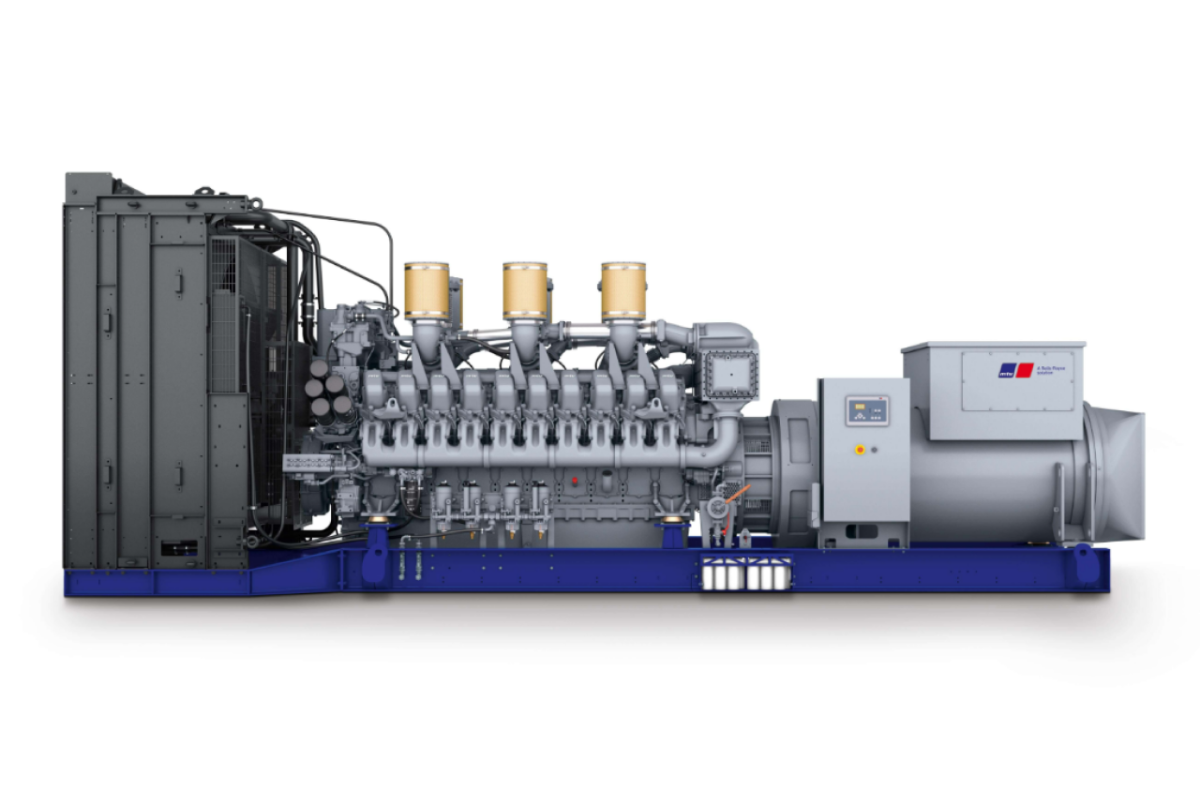
Large Diesel Generator
images source:https://www.mtu-solutions.com/au/en/applications/power-generation/power-generation-products/diesel-generator-sets.html
Environmental Considerations and Solutions
As Europe marches towards a greener future, the environmental considerations surrounding large diesel generators have taken center stage. The concerted effort to minimize the ecological impact of these powerhouses has led to innovative solutions, drastically altering their environmental footprint.
Advances in Reducing the Environmental Impact of Diesel Generators
The environmental impact of diesel generators has traditionally been a concern due to emissions and noise pollution. However, significant advancements have been made to address these issues. The adoption of ultra-low sulfur diesel (ULSD) fuel, along with the integration of advanced exhaust aftertreatment technologies such as Diesel Particulate Filters (DPF) and Selective Catalytic Reduction (SCR) systems, has markedly reduced harmful emissions. These technologies effectively capture particulate matter and convert nitrogen oxides into harmless nitrogen and water vapor, respectively.
Furthermore, the introduction of sound-attenuating enclosures and anti-vibration technologies has significantly reduced the noise pollution associated with diesel generator operation. These advancements not only make diesel generators more environmentally friendly but also expand their applicability in noise-sensitive areas.
European Regulations and Standards Shaping the Technology
European regulations have played a crucial role in driving environmental improvements in diesel generator technology. The EU's stringent emission standards, such as Stage V for non-road mobile machinery (NRMM), represent some of the world's most demanding environmental regulations. Compliance with these standards necessitates the incorporation of the aforementioned emissions control technologies, pushing manufacturers to innovate and reduce the environmental impact of their products.
Moreover, European directives on noise pollution have led to the development of generators that operate at significantly lower decibel levels, making them suitable for use in urban environments and close to residential areas.
Conclusion
The journey towards reducing the environmental impact of large diesel generators is ongoing, with continuous improvements being made in fuel efficiency, emissions reduction, and noise control. These efforts are critically supported by European regulatory frameworks, which not only mandate reductions in environmental impact but also incentivize innovation in the field.
As technology advances and regulations evolve, large diesel generators are set to become even cleaner and more efficient, aligning with Europe's broader environmental goals. This evolution underscores the potential for traditional power generation technologies to adapt and thrive in a sustainable future, ensuring that they remain a vital component of Europe's energy landscape.
Case Studies: Large Diesel Generators in Action Across Europe
The deployment of large diesel generators across Europe provides insightful case studies into their versatility, reliability, and the innovative ways they are being utilized. These examples highlight the practical applications and benefits of modern diesel generator technology in various sectors.
Success Stories of Modern Diesel Generators in Various Sectors
Emergency Power in Healthcare Facilities: A hospital in northern Europe integrates large diesel generators to ensure uninterrupted power for critical medical equipment. This setup guarantees that in the event of a grid failure, there is no disruption to life-saving services. The generators are equipped with the latest emissions control technology, making them environmentally friendly, despite the high-power output required by the healthcare facility.
Data Center Continuity: A data center located in a suburban area near a major European city utilizes large diesel generators as part of a comprehensive power backup system. The data center, responsible for hosting crucial digital infrastructure, relies on these generators to maintain operations during outages, showcasing the generators' reliability and the critical role they play in the digital economy.
Renewable Energy Integration in Remote Areas: In a remote European region, a large diesel generator works in conjunction with a solar power installation to provide consistent energy to a small community. The diesel generator serves as a backup during periods of low solar output, ensuring that the community has access to power at all times. This hybrid system demonstrates the flexibility and adaptability of diesel generators to complement renewable energy sources.
Supporting Industrial Operations: An industrial facility specializing in manufacturing components for the automotive industry employs large diesel generators to provide emergency power and load balancing during peak demand periods. This not only enhances the facility's energy efficiency but also reduces its operational costs and carbon footprint, illustrating the economic and environmental benefits of modern diesel generators in industrial applications.
Lessons Learned and Best Practices for Implementation
These case studies underscore several key lessons and best practices in the deployment of large diesel generators:
- Environmental Compliance: Modern diesel generators, when equipped with appropriate emissions control technology, can meet strict environmental standards, making them viable even in regions with stringent regulations.
- Hybrid Systems for Sustainability: The integration of diesel generators with renewable energy sources offers a practical solution to ensure reliability while minimizing environmental impact, particularly in remote or off-grid locations.
- Strategic Deployment for Reliability: In critical infrastructure like healthcare and data centers, diesel generators provide an essential layer of reliability, ensuring that critical functions remain operational during power outages.
Conclusion
The diverse applications of large diesel generators across Europe highlight their essential role in providing reliable, efficient, and environmentally friendly power solutions. These case studies reflect the ongoing innovation in diesel generator technology, demonstrating their adaptability to meet the needs of various sectors while contributing to Europe's energy sustainability goals. As technology continues to advance, the potential for large diesel generators to support a wide range of applications will only increase, solidifying their position as a cornerstone of modern energy infrastructure.
Future Trends in Diesel Generator Technology
The landscape of diesel generator technology is poised for transformation, driven by advancements in engineering, environmental policies, and the shifting dynamics of global energy demand. As we look towards the future, several key trends are expected to shape the development and deployment of diesel generators, especially within European markets where sustainability and innovation are paramount.
Increased Efficiency and Cleaner Emissions
Future diesel generators will prioritize even greater fuel efficiency and lower emissions. Innovations in engine design, combustion processes, and fuel types, including biofuels and synthetic diesel, are expected to play significant roles. Additionally, continued advancements in exhaust aftertreatment technologies will further reduce the environmental impact of diesel generators, aligning with stricter global emission standards.
Integration with Renewable Energy Systems
The integration of diesel generators with renewable energy sources is set to become more sophisticated. Smart hybrid systems that seamlessly combine diesel generators with solar, wind, and battery storage will provide more efficient and reliable power solutions. These systems will benefit from advancements in artificial intelligence and machine learning, optimizing the mix of energy sources in real-time to minimize fuel consumption and emissions.
Digitalization and Remote Monitoring
Digitalization will transform the operation and maintenance of diesel generators. Remote monitoring and predictive maintenance, powered by the Internet of Things (IoT) and big data analytics, will become standard features. These technologies will enable operators to anticipate and address potential issues before they lead to downtime, extending the lifespan of generators and reducing operational costs.
Noise Reduction Technologies
As urban areas continue to grow, the demand for low-noise power solutions will increase. Future diesel generators will incorporate more advanced noise reduction technologies, making them suitable for a wider range of applications, from urban construction sites to temporary power supply in residential areas.
Portable and Modular Designs
The trend towards modularity and portability will continue, with future diesel generators being designed for easy transportation and scalability. This flexibility will be particularly valuable in emergency response, event management, and temporary power supply scenarios, where the ability to quickly deploy and adapt power solutions is crucial.
Conclusion
The future of diesel generator technology is bright, with innovation focused on making these power solutions more efficient, environmentally friendly, and adaptable to a range of energy needs. As Europe and the rest of the world continue to embrace sustainable development, diesel generators will evolve to meet these challenges, proving that traditional power generation can adapt to the demands of the 21st century.
FAQs: Common Questions About Large Diesel Generator
Q: What is a large diesel generator? A: A large diesel generator is a power generation unit that utilizes a diesel engine to produce electricity. These generators are capable of providing a significant amount of power and are commonly used in industrial, commercial, and residential settings as backup or primary power sources.
Q: How does a large diesel generator work? A: Large diesel generators work by converting chemical energy stored in diesel fuel into mechanical energy through the combustion process in the engine. This mechanical energy is then converted into electrical energy by an alternator, resulting in the generation of electricity.
Q: What are the advantages of using a large diesel generator? A: Some advantages of using large diesel generators include their high efficiency, reliability, and durability. They are capable of providing continuous power for extended periods, making them ideal for applications where uninterrupted power supply is crucial. Additionally, diesel generators are cost-effective and can be easily maintained.
Q: Are large diesel generators environmentally friendly? A: While large diesel generators produce emissions during operation, advancements in technology have significantly reduced their environmental impact. Modern diesel generators incorporate emissions control systems, such as Diesel Particulate Filters (DPF) and Selective Catalytic Reduction (SCR), to minimize pollutants. Additionally, the use of ultra-low sulfur diesel (ULSD) fuel helps reduce emissions further.
Q: What size generator do I need for my facility? A: The size of the generator required for a facility depends on factors such as the total power demand, the type of equipment being powered, and the duration of backup power needed. Consulting with a qualified electrician or generator specialist can help determine the appropriate size based on your specific requirements.
Q: How often should a large diesel generator be serviced? A: Large diesel generators should be serviced regularly to ensure optimal performance and reliability. The frequency of maintenance depends on factors such as the generator's usage, operating conditions, and manufacturer recommendations. Typically, routine maintenance tasks include oil and filter changes, inspections of components, and testing of critical systems.
Q: Can a large diesel generator be used as a primary power source? A: Yes, large diesel generators can be used as primary power sources in situations where grid power is unreliable or unavailable. Many industries, commercial establishments, and remote facilities rely on diesel generators as their primary source of electricity, ensuring continuous operations even in challenging environments.
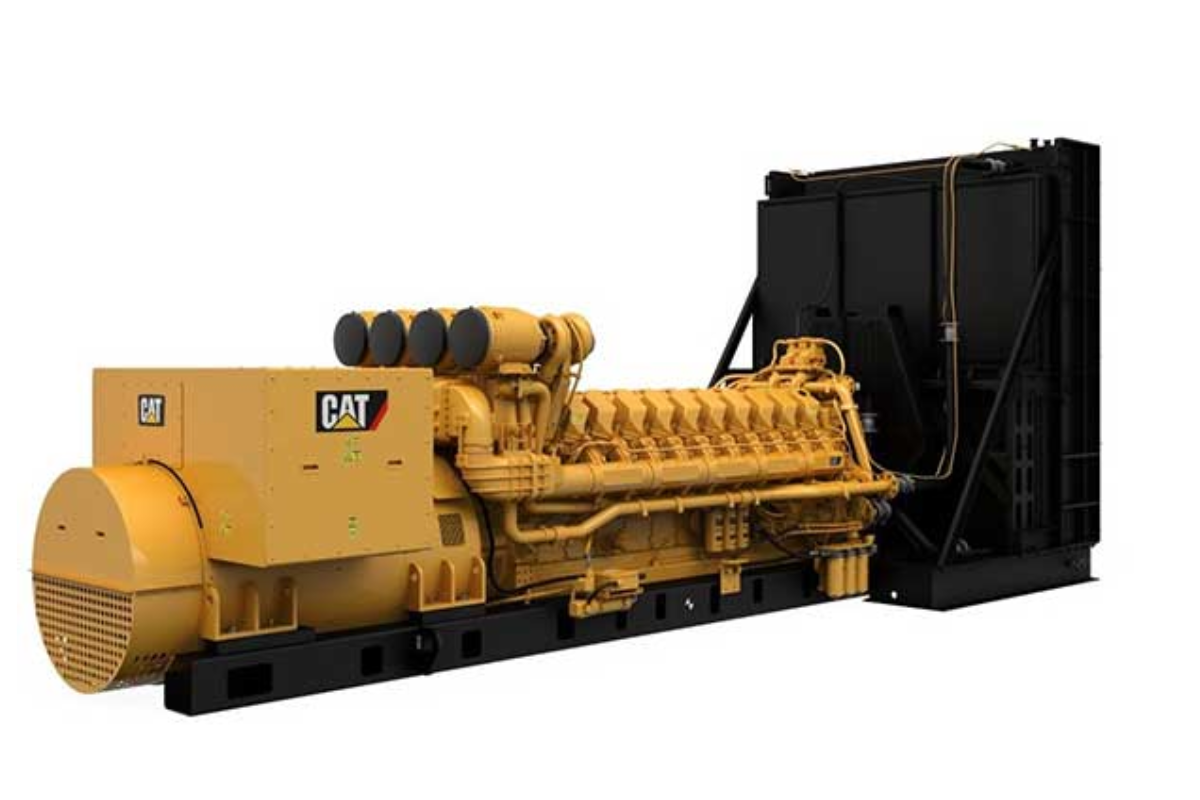
Large Diesel Generator
Reference sources
Zhang, Wei, et al. "Advancements in Permanent Magnet Synchronous Generators for Wind Turbine Applications." Renewable Energy, vol. 163, 2021, pp. 1571-1583.
Kim, Dong-Hyun, et al. "Development and Optimization of Solar Photovoltaic Generators." Solar Energy, vol. 212, 2020, pp. 161-175.
Chen, Liang, et al. "Control Strategies for Grid-Connected Generators in Renewable Energy Systems." IEEE Transactions on Sustainable Energy, vol. 11, no. 4, 2020, pp. 2642-2651.
Gupta, Rakesh, et al. "Emerging Trends in Generator Design for Microgrid Applications." IEEE Access, vol. 8, 2020, pp. 115372-115383.
Patel, Nisha, et al. "Applications of Generators in Power Systems: A Review." International Journal of Electrical Power & Energy Systems, vol. 123, 2020, p. 106249.
Wang, Li, et al. "Design Optimization of Induction Generators for Rural Electrification." Applied Energy, vol. 280, 2020, p. 115950.
Kim, Young-Jin, et al. "Performance Analysis of Hydroelectric Generators under Different Operating Conditions." Energy Conversion and Management, vol. 226, 2021, p. 113654.