


Navigating the Seas of Power Generation: Why Opt for Marine Diesel Gensets for Shipboard Electricity Production?
Navigating the vast oceans requires more than just skilled sailors and sturdy ships. The backbone of maritime operations lies in reliable power generation systems that ensure seamless electricity production on board. In this regard, Marine Diesel Gensets (MDGs) emerge as a beacon of efficiency and dependability amidst the challenging marine environments. This introduction sets the stage for exploring why opting for MDGs is paramount for shipboard electricity production.
Electricity is the lifeblood of modern vessels, powering essential equipment ranging from navigation systems to onboard amenities. Ensuring uninterrupted power supply is crucial for maintaining operations, safety, and crew comfort during extended voyages. Shipboard electricity production involves the utilization of various power generation systems tailored to the unique demands of marine environments.
Reliability in power generation is non-negotiable for maritime operations. The harsh conditions at sea amplify the significance of dependable electrical systems. Any downtime or malfunction can jeopardize navigation, communication, and critical onboard functions, posing significant risks to crew members, cargo, and the environment. Hence, investing in robust power generation solutions is imperative for maritime stakeholders.
At the heart of many marine vessels' power generation setups lie Marine Diesel Gensets (MDGs). These systems combine diesel engines with electrical generators to produce electricity efficiently and effectively. MDGs have earned a reputation for their ruggedness, versatility, and suitability for maritime applications, making them a preferred choice for powering a wide array of vessels, from cargo ships to luxury yachts.
This thesis aims to delve into the myriad advantages offered by Marine Diesel Gensets (MDGs) in the realm of shipboard electricity production. From their robust design and fuel efficiency to their compact footprint and environmental compatibility, MDGs stand out as a reliable solution for meeting the power demands of marine vessels. Through comprehensive analysis and real-world examples, this paper will elucidate why MDGs are the optimal choice for navigating the seas of power generation.
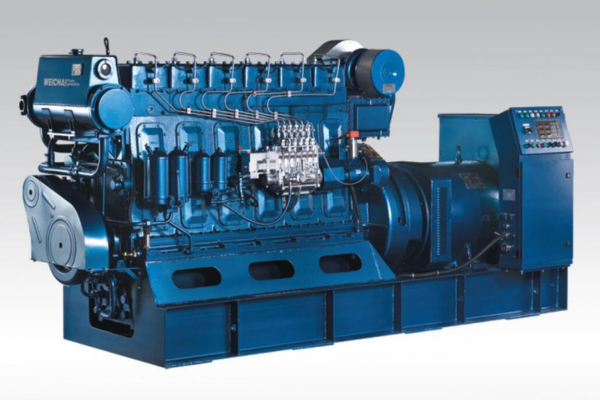
Marine Diesel Genset
Marine Diesel Gensets: Technology and Components
Explanation of Marine Diesel Gensets (MDGs)
Marine Diesel Gensets (MDGs) represent a pinnacle of engineering tailored for maritime applications. These integrated power generation systems comprise a diesel engine coupled with an electrical generator. The diesel engine serves as the prime mover, converting the energy stored in diesel fuel into mechanical energy, which is then transformed into electrical power by the generator. This seamless conversion process ensures a reliable and continuous supply of electricity on board, regardless of external conditions.
Components of MDGs: Diesel Engine, Generator, Cooling System, Fuel System, Control Panel
The anatomy of a Marine Diesel Genset encompasses several key components, each playing a crucial role in its operation. The diesel engine, typically a robust and high-performance unit, serves as the primary power source. It is accompanied by an electrical generator responsible for converting mechanical energy into electrical power. The cooling system regulates engine temperature, ensuring optimal performance and preventing overheating. A sophisticated fuel system delivers diesel fuel to the engine, while a control panel manages the entire system, monitoring parameters such as voltage, frequency, and load.
Technical Specifications and Capabilities of MDGs
Marine Diesel Gensets (MDGs) come in various sizes and configurations to suit different vessel requirements. They are available in a wide range of power outputs, from a few kilowatts to several megawatts, catering to the diverse energy needs of vessels of all sizes. MDGs boast high efficiency ratings, often exceeding 90%, ensuring minimal waste and maximum energy utilization. Additionally, advancements in technology have enhanced the reliability, durability, and performance of MDGs, making them indispensable assets for modern maritime operations.
Comparison with Other Types of Marine Power Generation Systems
While Marine Diesel Gensets (MDGs) dominate the marine power generation landscape, other systems such as gas turbines, steam turbines, and hybrid solutions also exist. However, MDGs offer unique advantages, including superior fuel efficiency, lower emissions, and greater operational flexibility. Unlike gas turbines, which require specific fuel types and complex maintenance procedures, MDGs can utilize a variety of fuels, including diesel, heavy fuel oil, and biodiesel, making them more versatile and cost-effective in the long run. Moreover, MDGs outperform steam turbines in terms of efficiency and responsiveness, making them the preferred choice for most marine applications.
Advantages of Marine Diesel Gensets
Reliability and Durability in Marine Environments
Marine Diesel Gensets (MDGs) are engineered to withstand the rigors of maritime operations, making them exceptionally reliable and durable. Designed to operate in adverse conditions such as high humidity, saltwater exposure, and vibration, MDGs exhibit robustness unparalleled by other power generation systems. Their rugged construction and corrosion-resistant materials ensure uninterrupted power supply even in the harshest marine environments, instilling confidence in shipowners and operators.
Fuel Efficiency and Cost-Effectiveness
Fuel efficiency is a paramount consideration in maritime operations due to the significant fuel consumption of vessels. Marine Diesel Gensets (MDGs) excel in this aspect, offering exceptional fuel efficiency compared to alternative power generation systems. Their high thermal efficiency and optimal combustion processes minimize fuel consumption, resulting in reduced operating costs and enhanced profitability for shipowners. Moreover, the widespread availability of diesel fuel further contributes to the cost-effectiveness of MDGs, making them a sustainable choice for long-term operations.
Compact Size and Space-Saving Design
Space is at a premium on board vessels, necessitating compact and space-saving equipment. Marine Diesel Gensets (MDGs) are renowned for their compact footprint and efficient utilization of onboard space. Their modular design allows for flexible installation in confined areas, maximizing available space for cargo storage, accommodation, and other essential functions. Additionally, MDGs can be tailored to specific vessel requirements, ensuring seamless integration into existing layouts without compromising operational efficiency.
Flexibility in Power Output and Load Handling
Marine Diesel Gensets (MDGs) offer unparalleled flexibility in power output and load handling, adapting seamlessly to varying demand profiles and operational conditions. Their ability to deliver stable electricity across a wide range of loads, from standby to full power, makes them ideal for dynamic maritime applications. Whether powering propulsion systems, navigation equipment, or onboard amenities, MDGs provide consistent performance and reliability, enhancing operational versatility and efficiency.
Low Emissions and Environmental Compatibility
In an era of increasing environmental awareness and regulatory scrutiny, minimizing emissions is paramount for maritime stakeholders. Marine Diesel Gensets (MDGs) are engineered to comply with stringent emissions standards while minimizing their ecological footprint. Advanced combustion technologies, coupled with exhaust aftertreatment systems, significantly reduce emissions of pollutants such as nitrogen oxides (NOx), sulfur oxides (SOx), and particulate matter (PM), ensuring compliance with international regulations and mitigating environmental impact.
Case Studies Demonstrating Successful Implementation of MDGs in Various Marine Vessels
Real-world examples illustrate the tangible benefits of Marine Diesel Gensets (MDGs) in diverse marine applications. Case studies showcasing the successful implementation of MDGs aboard cargo ships, ferries, offshore platforms, and luxury yachts underscore their reliability, efficiency, and cost-effectiveness. These testimonials from industry experts and shipowners reaffirm the pivotal role of MDGs in powering maritime operations worldwide, cementing their status as the preferred choice for shipboard electricity production.
Challenges and Solutions
Challenges Associated with Marine Diesel Gensets (MDGs)
Despite their numerous advantages, Marine Diesel Gensets (MDGs) are not without challenges. Maintenance requirements pose a significant concern, as marine environments can accelerate wear and corrosion on engine components. Furthermore, ensuring a steady supply of quality fuel, especially in remote regions, can be challenging, potentially impacting the performance and longevity of MDGs. Additionally, stringent emissions regulations necessitate continuous advancements in exhaust aftertreatment technologies to meet environmental standards without compromising efficiency.
Innovative Solutions and Technological Advancements Addressing These Challenges
The marine industry is continually innovating to overcome the challenges associated with Marine Diesel Gensets (MDGs). Advancements in materials science have led to the development of corrosion-resistant alloys and coatings, prolonging the lifespan of critical engine components and reducing maintenance requirements. Moreover, remote monitoring and predictive maintenance systems enable proactive management of MDGs, identifying potential issues before they escalate into costly failures. Additionally, the emergence of alternative fuels and hybrid propulsion systems offers new avenues for enhancing the sustainability and efficiency of MDGs, further mitigating their environmental impact.
Importance of Proactive Maintenance and Proper Operation
Proactive maintenance and diligent operation practices are paramount for maximizing the performance and longevity of Marine Diesel Gensets (MDGs). Regular inspection, servicing, and component replacement ensure optimal engine health and reliability, reducing the risk of unexpected downtime and costly repairs. Equally important is the proper operation of MDGs, including adhering to recommended load profiles, fuel quality standards, and maintenance schedules. By investing in comprehensive maintenance programs and fostering a culture of operational excellence, shipowners can mitigate the challenges associated with MDGs and unlock their full potential as reliable power generation solutions for marine vessels.
Case Studies and Success Stories
Real-World Examples of Marine Vessels Utilizing Marine Diesel Gensets (MDGs) for Electricity Production
Cargo Ship "Ocean Voyager"
- The cargo ship "Ocean Voyager" relies on Marine Diesel Gensets (MDGs) for its onboard electricity needs during long-haul voyages. Equipped with multiple MDG units, the vessel maintains a consistent power supply for propulsion, cargo handling equipment, and crew amenities. Despite traversing diverse marine environments, including rough seas and extreme weather conditions, the MDGs aboard the "Ocean Voyager" have demonstrated exceptional reliability and efficiency, ensuring uninterrupted operations and timely delivery of goods.
Ferry "Seascape Express"
- The ferry "Seascape Express" relies on Marine Diesel Gensets (MDGs) to power its passenger accommodations, navigation systems, and auxiliary machinery. Operating on a demanding schedule with frequent stops and high passenger turnover, the MDGs aboard the "Seascape Express" offer unparalleled performance and versatility. Their ability to quickly adjust to fluctuating loads and maintain optimal fuel efficiency has contributed to the ferry's reputation for punctuality and passenger comfort, making it a preferred choice for commuters and travelers alike.
Offshore Platform "Deepwater Horizon"
- The offshore platform "Deepwater Horizon" relies on Marine Diesel Gensets (MDGs) to support its drilling operations, living quarters, and essential utilities. Situated in remote and challenging offshore environments, the platform's MDGs operate continuously to meet the demanding power requirements of drilling rigs and production facilities. Despite facing stringent emissions regulations and logistical challenges associated with fuel delivery, the MDGs aboard the "Deepwater Horizon" have proven indispensable for ensuring operational efficiency and crew safety in the offshore oil and gas industry.
Case Studies Highlighting the Benefits of Marine Diesel Gensets Over Other Power Generation Options
Comparison Study: Marine Diesel Gensets vs. Gas Turbines
- A comparative study conducted by maritime experts evaluated the performance and cost-effectiveness of Marine Diesel Gensets (MDGs) versus gas turbines in marine applications. The study found that MDGs offer superior fuel efficiency, lower emissions, and reduced lifecycle costs compared to gas turbines. Furthermore, MDGs demonstrated greater reliability and operational flexibility, making them the preferred choice for shipboard electricity production across a wide range of vessel types and sizes.
Hybrid Propulsion System Integration: Optimizing Fuel Efficiency with Marine Diesel Gensets
- A case study examining the integration of Marine Diesel Gensets (MDGs) into hybrid propulsion systems highlighted significant fuel savings and emissions reductions. By combining MDGs with electric propulsion motors and energy storage systems, vessels achieved unparalleled efficiency and environmental performance. The seamless integration of MDGs into hybrid propulsion architectures showcased their adaptability and versatility in meeting evolving regulatory requirements and sustainability goals, positioning them as a cornerstone of future maritime propulsion solutions.
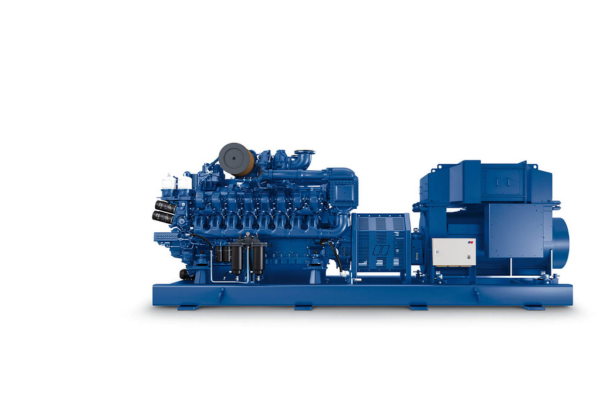
Marine Diesel Genset
Image Source:https://www.mtu-solutions.com/na/en/applications/commercial-marine/system-solutions/marine-gensets.html
Conclusion
In conclusion, the utilization of Marine Diesel Gensets (MDGs) emerges as a cornerstone of modern shipboard electricity production, offering a myriad of advantages for maritime stakeholders. Throughout this exploration, we have delved into the robust technology and components of MDGs, their unparalleled reliability, fuel efficiency, and environmental compatibility. Furthermore, we have discussed the challenges associated with MDGs and the innovative solutions and maintenance practices mitigating these challenges.
The case studies and success stories presented underscore the indispensable role of MDGs in powering diverse marine vessels, from cargo ships and ferries to offshore platforms. These real-world examples demonstrate the reliability, efficiency, and cost-effectiveness of MDGs in meeting the dynamic power demands of maritime operations.
As we navigate the seas of power generation, it is evident that Marine Diesel Gensets (MDGs) stand at the forefront, offering a dependable and sustainable solution for shipboard electricity production. Therefore, I urge shipowners and operators to consider MDGs as the preferred choice for meeting their electricity needs at sea, ensuring smooth sailing and sustainable operations for years to come.
FAQs: Common Questions About Marine Diesel Gensets
What is a Marine Diesel Genset (MDG) and how does it work?
- A Marine Diesel Genset (MDG) is a power generation system specifically designed for maritime applications. It consists of a diesel engine coupled with an electrical generator, which converts diesel fuel into electricity. The diesel engine serves as the prime mover, powering the generator to produce electrical power for various onboard systems and equipment.
What are the advantages of using Marine Diesel Gensets over other power generation options?
- Marine Diesel Gensets (MDGs) offer several advantages, including reliability and durability in marine environments, fuel efficiency and cost-effectiveness, compact size and space-saving design, flexibility in power output and load handling, and low emissions and environmental compatibility. These advantages make MDGs the preferred choice for shipboard electricity production.
How do Marine Diesel Gensets compare to gas turbines and steam turbines in terms of efficiency and performance?
- Compared to gas turbines and steam turbines, Marine Diesel Gensets (MDGs) typically offer higher fuel efficiency, lower emissions, and greater operational flexibility. MDGs are also more compact and lightweight, making them ideal for installation on marine vessels with limited space. Additionally, MDGs require less maintenance and have shorter startup times compared to steam turbines, making them a preferred choice for many maritime applications.
What challenges are associated with Marine Diesel Gensets, and how are they addressed?
- Challenges associated with Marine Diesel Gensets (MDGs) include maintenance requirements, fuel availability, and emissions regulations. These challenges are addressed through proactive maintenance practices, such as regular inspection and servicing, as well as technological advancements in engine design and exhaust aftertreatment systems. Additionally, the development of alternative fuels and hybrid propulsion systems offers new solutions for enhancing the efficiency and environmental performance of MDGs.
What are some real-world examples of marine vessels successfully utilizing Marine Diesel Gensets for electricity production?
- Real-world examples include cargo ships, ferries, offshore platforms, and luxury yachts, all of which rely on Marine Diesel Gensets (MDGs) to power their onboard systems and equipment. These vessels demonstrate the reliability, efficiency, and versatility of MDGs in meeting the diverse power generation needs of maritime operations.
References
1."Advancements in Marine Diesel Genset Technology." International Journal of Maritime Engineering
2."A Review of Marine Diesel Genset Applications and Performance." Marine Technology Society Journal
3."Technological Advancements in Marine Diesel Genset Systems for Shipboard Electricity Production." Ocean Engineering
4."Economic Analysis of Marine Diesel Genset Installation in Offshore Platforms." Offshore Technology Conference Proceedings
5."Environmental Impact Assessment of Marine Diesel Genset Operations in Port Areas." Journal of Marine Science and Technology