



Maximizing Farm Productivity: The Essential Guide to Diesel Generators for Agriculture
In the vast and varied world of agriculture, where the unpredictability of nature meets the precision of modern technology, diesel generators play a pivotal role in ensuring that farms can operate efficiently, regardless of external circumstances. The diesel generators for agriculture sector are more than just a backup power source; they are a cornerstone of farm productivity and sustainability.
The importance of a reliable power source in agriculture cannot be overstated. From powering irrigation systems during droughts to ensuring the smooth operation of automated feeders in livestock barns, diesel generators ensure that the essential activities of a farm can continue uninterrupted. Given the critical nature of these tasks, the reliability, efficiency, and durability of diesel generators are paramount.
Moreover, as noted by energy experts, "The agricultural sector's demand for dependable and efficient power solutions is met unequivocally by diesel generators, which offer unparalleled robustness and versatility in challenging rural environments." This highlights not only the practicality of diesel generators in the agricultural sector but also their role in enhancing farm productivity.
As we delve deeper into the essentials of diesel generators for agriculture, it becomes clear that their contribution to the agricultural sector is multifaceted, touching on aspects of efficiency, sustainability, and technological advancement. By understanding the role of diesel generators in agriculture, farmers can make informed decisions that maximize productivity and ensure the long-term success of their operations.
Understanding Diesel Generators for Agriculture
Delving into the world of diesel generators for agriculture, it's essential to grasp the basics of how these powerful machines operate and why they're favored over other power sources in agricultural settings. The operation of a diesel generator is grounded in the diesel engine's ability to convert diesel fuel into electricity, providing a reliable and efficient power supply even in remote or off-grid farm locations.
One of the primary advantages of diesel generators is their efficiency. Diesel engines are known for their high fuel efficiency and lower operating costs compared to gasoline generators. This efficiency translates into longer running times and reduced fuel consumption, making them an economical choice for farmers. Additionally, diesel generators are renowned for their durability and longevity, capable of withstanding the rigorous demands of agricultural use.
Key features that farmers should look for in a diesel generator for agricultural use include power output capacity, fuel efficiency, ease of maintenance, and the ability to operate continuously under heavy loads. These features ensure that the generator can meet the varied needs of a farm, from powering heavy machinery to providing electricity for processing facilities.
Experts in agricultural machinery, such as John Deere's Senior Product Manager for Power Systems, have emphasized the importance of selecting a generator with the right power capacity. "Choosing a generator that aligns with your farm's power requirements is crucial to avoid under or overloading the system, which can lead to inefficiencies or damage to the generator," they advise.
Understanding the basics of diesel generator operation and recognizing the key advantages and features of these generators are crucial steps in ensuring that the agricultural sector continues to thrive. With the right knowledge and equipment, farmers can harness the power of diesel generators to enhance their productivity and sustainability.
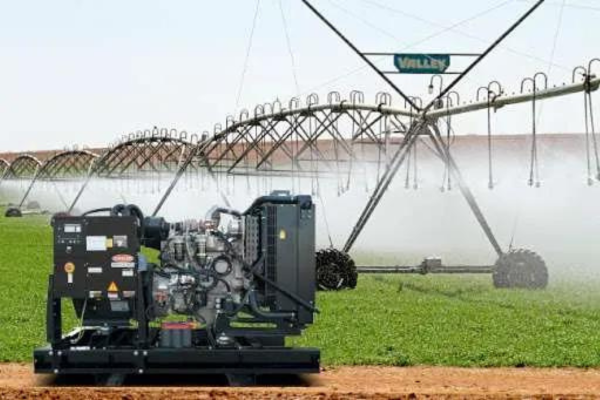
diesel generators for agriculture
The Impact of Diesel Generators on Farming Efficiency
The integration of diesel generators into the agricultural sector has revolutionized the way farms operate, significantly enhancing efficiency and productivity. Through various case studies, the success stories of farms utilizing diesel generators underscore their critical role in transforming agricultural practices.
One notable example involves a large-scale grain and livestock farm in the Midwest. Faced with frequent power outages, this farm turned to diesel generators as a solution. The result was a dramatic increase in operational efficiency, with the farm able to maintain continuous production cycles, thus avoiding the costly downtime associated with power interruptions. This success story reflects a common sentiment among farmers: "The reliability and power of diesel generators make them indispensable for modern agriculture," highlighting their importance in maintaining continuous farm operations.
Diesel generators contribute to farming operations by ensuring that critical farm processes, such as irrigation, ventilation, and automated feeding systems, can operate without interruption. This reliability is crucial during peak farming seasons or in regions prone to erratic weather patterns, where power outages can have devastating effects on crop and livestock production.
Moreover, the ability of diesel generators to provide stable and reliable power supports the adoption of advanced agricultural technologies. Precision farming, which relies heavily on data and automation, necessitates consistent power sources to function effectively. In this context, diesel generators are not just a backup power solution but a facilitator of innovation in agriculture, enabling farms to leverage cutting-edge technologies to improve yield, reduce waste, and enhance overall farm management.
In essence, the impact of diesel generators on farming efficiency is profound. They provide a reliable power source that ensures the smooth operation of farm processes, supports the adoption of technological innovations, and ultimately contributes to increased productivity and sustainability in the agricultural sector.
Selection Guide: Choosing the Right Diesel Generator for Your Farm
Selecting the right diesel generator for your farm involves a comprehensive understanding of your agricultural needs and the specific features that will best support your operations. The process of choosing a diesel generator is critical, as the right choice can significantly enhance your farm's efficiency and productivity.
Factors to Consider When Selecting a Diesel Generator
Power Requirements: Assessing the total power requirements of your farm is the first step. This includes understanding the needs of machinery, cooling and heating systems, and any technological devices used in farm management. The goal is to ensure the generator can handle peak loads without straining.
Fuel Efficiency: Diesel generators are known for their fuel efficiency, but models vary. Look for generators that offer high fuel efficiency, which can reduce operational costs over time. Fuel efficiency also impacts the environmental footprint of your operations, an increasingly important consideration.
Durability and Reliability: Given the demanding environment of agriculture, the durability of a diesel generator is paramount. Opt for models known for their reliability and longevity, especially those designed with agricultural use in mind.
Size and Portability: Depending on the size of your farm and the variability of your power needs, the physical size of the generator and its portability may be important factors. Some farms benefit from stationary installations, while others may require portable units that can be moved as needed.
Ease of Maintenance: Regular maintenance is key to the longevity and efficiency of diesel generators. Choose a model that is known for easy maintenance, and ensure that service and parts are readily available.
Recommendations for Top Diesel Generator Models Suited for Agriculture
While specific model recommendations will vary based on individual farm needs, several manufacturers stand out for their commitment to quality, efficiency, and service in the agricultural sector. Brands like Caterpillar, Cummins, and John Deere are renowned for their robust diesel generators that meet a wide range of agricultural needs. Each of these brands offers models that excel in fuel efficiency, reliability, and ease of maintenance, making them excellent choices for farmers looking to invest in a diesel generator.
In conclusion, selecting the right diesel generator involves careful consideration of your farm's specific needs. By focusing on power requirements, fuel efficiency, durability, size, and maintenance ease, you can choose a generator that enhances your agricultural operations' efficiency and productivity. With the right diesel generator, you can ensure that your farm remains productive and sustainable, regardless of external power challenges.
Maintenance and Safety Tips
Maintaining your diesel generator is crucial for ensuring its longevity and efficiency, particularly in the demanding environment of agriculture. Regular maintenance not only prevents unexpected breakdowns but also ensures that the generator operates within its optimum efficiency range. Here are some essential maintenance tips alongside crucial safety protocols to follow while operating diesel generators on the farm.
Routine Maintenance Tips for Diesel Generators
Regular Inspections: Conduct routine inspections to check for any signs of wear and tear, leaks, or other damages. Pay special attention to components like the fuel system, air filters, and cooling system.
Oil Changes: Just like any diesel engine, your generator requires regular oil changes. Follow the manufacturer’s guidelines for the frequency of oil changes to keep your generator running smoothly.
Cooling System Maintenance: Ensure the cooling system is regularly checked and filled with coolant to prevent the generator from overheating, especially during extensive use.
Fuel System Maintenance: Diesel fuel can degrade over time, leading to build-ups that might clog the fuel injectors. Regularly clean the fuel system and use fresh diesel fuel to prevent issues.
Battery Care: The battery should be inspected regularly for corrosion and charged fully to ensure it’s ready to start the generator when needed.
Load Testing: Perform annual load tests to ensure that the generator can handle the expected load. This helps identify potential operational issues when the generator is not under load.
Safety Protocols to Follow While Operating Diesel Generators on the Farm
Proper Ventilation: Always ensure that the generator is in a well-ventilated area to prevent the build-up of exhaust fumes, which can be harmful.
Regular Training: Anyone operating the generator should be properly trained on its use and the necessary safety measures to prevent accidents.
Use Protective Gear: Operators should wear the appropriate protective gear, including ear protection, gloves, and safety glasses, when working near the generator.
Emergency Procedures: Establish clear emergency procedures in case of an accident or malfunction, including how to shut down the generator safely and quickly.
Compliance with Regulations: Ensure that your generator installation complies with local safety and environmental regulations to avoid legal issues and promote a safe working environment.
By adhering to these maintenance and safety tips, you can significantly extend the life of your diesel generator and ensure it provides reliable service to your agricultural operations. Regular maintenance not only contributes to the generator's efficiency but also plays a crucial role in the safety of farm operations, making it an indispensable practice for any farm utilizing diesel generators.
The Future of Diesel Generators in Agriculture
As the agricultural sector evolves, so too does the technology that supports it, including diesel generators. The future of diesel generators in agriculture is shaped by advancements in technology, environmental considerations, and the ongoing quest for sustainability and efficiency. Understanding these trends is crucial for farmers looking to stay ahead in a rapidly changing industry.
Emerging Technologies and Advancements in Diesel Generator Design
Innovation in diesel generator technology focuses on increasing fuel efficiency, reducing emissions, and integrating smart technology for better management and reliability. Advanced models now feature remote monitoring capabilities, allowing farmers to track performance and identify maintenance needs proactively. Furthermore, hybrid systems that combine diesel generators with renewable energy sources, such as solar panels or wind turbines, are becoming more common. These systems offer a way to reduce fuel consumption and lower operational costs while maintaining the reliability diesel generators are known for.
Environmental Considerations and the Shift Towards More Sustainable Power Solutions
Environmental sustainability has become a significant concern in agriculture, driving the demand for more eco-friendly power solutions. Modern diesel generators are designed to be more fuel-efficient and emit fewer pollutants, aligning with stricter environmental regulations and the agricultural sector's sustainability goals. Additionally, the development of biofuels as an alternative to traditional diesel fuel presents an opportunity to further reduce the carbon footprint of diesel generators in agriculture.
The Role of Diesel Generators in the Evolving Landscape of Agricultural Technology
As farms become increasingly technologized, the need for reliable power sources that can support high-tech equipment and data-driven farming practices is more critical than ever. Diesel generators play a vital role in this context, providing the backbone for a resilient and flexible power supply. Looking ahead, the integration of diesel generators with Internet of Things (IoT) technologies and automation will enable smarter, more efficient farm management, reducing downtime and optimizing resource use.
In conclusion, the future of diesel generators in agriculture is one of innovation and adaptation. By embracing new technologies, environmental considerations, and the integration with renewable energy sources, diesel generators will continue to be a cornerstone of agricultural productivity. The ongoing advancements in generator design and functionality promise to deliver even more reliable, efficient, and sustainable power solutions, supporting the agricultural sector's growth and sustainability objectives.
Conclusion
In the quest to maximize farm productivity, diesel generators stand out as a cornerstone of modern agriculture, providing a reliable and efficient power source essential for the smooth operation of farm activities. From powering irrigation systems to supporting high-tech agricultural equipment, diesel generators ensure that farms remain productive and sustainable, regardless of external challenges.
The exploration of diesel generators for agriculture, from their operation basics to the impact on farming efficiency, selection guide, maintenance, safety tips, and future trends, underscores their integral role in the agricultural sector. As we've seen, choosing the right diesel generator involves considering factors such as power requirements, fuel efficiency, and environmental impact, ensuring that the selected generator aligns with the farm's needs and sustainability goals.
Advancements in diesel generator technology promise to further enhance their efficiency and environmental friendliness, with innovations such as hybrid systems and integration with renewable energy sources paving the way for more sustainable and cost-effective farming practices. Meanwhile, the adherence to maintenance and safety protocols ensures that these powerhouses of productivity operate smoothly and safely, contributing to the farm's success.
In conclusion, diesel generators for agriculture are more than just backup power solutions; they are a vital component of modern farming, enabling farmers to overcome power challenges and embrace technological advancements. As the agricultural sector continues to evolve, the role of diesel generators will undoubtedly expand, supporting the industry's growth and sustainability efforts. For farmers looking to enhance productivity and ensure the resilience of their operations, investing in the right diesel generator is a step towards a more efficient, sustainable, and profitable future.
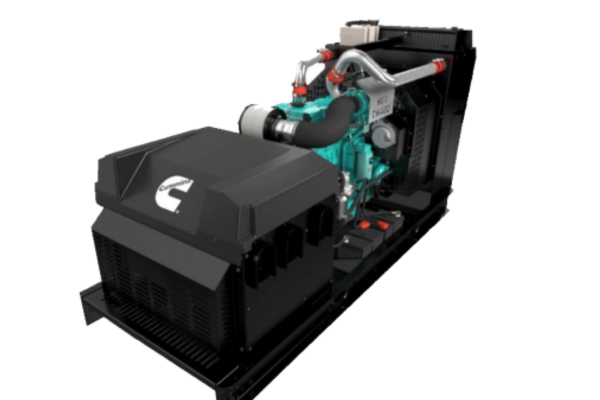
diesel generators for agriculture
FAQs: Common Questions About Diesel Generators For Agriculture
Q1: Why are diesel generators preferred in agriculture? A1: Diesel generators are preferred in agriculture due to their reliability, durability, and fuel efficiency. They provide a steady and dependable power supply essential for running farm operations, especially in areas with frequent power outages or where grid power is not available.
Q2: How do I determine the right size of diesel generator for my farm? A2: Determining the right size involves calculating the total power demand of all equipment and operations on your farm. It's essential to consider both running watts and starting watts of machinery to ensure the generator can handle initial surges when equipment starts. Consulting with a professional can also help in accurately sizing your generator.
Q3: Can diesel generators be used alongside renewable energy sources? A3: Yes, diesel generators can be integrated with renewable energy sources like solar panels or wind turbines to create a hybrid power system. This combination allows for reduced diesel consumption, lower operating costs, and a smaller environmental footprint, while still providing reliable power.
Q4: What are the environmental impacts of using diesel generators in agriculture? A4: Diesel generators emit CO2 and other pollutants. However, modern generators are designed to be more fuel-efficient and environmentally friendly, complying with emission standards. Additionally, the use of biodiesel or integrating renewable energy can mitigate these impacts.
Q5: How often should maintenance be performed on a diesel generator? A5: Regular maintenance is crucial for the longevity and efficiency of a diesel generator. It's recommended to follow the manufacturer's maintenance schedule, which typically includes daily checks, regular oil and filter changes, and annual inspections.
Q6: Are there any safety concerns with using diesel generators on farms? A6: Safety concerns include the risk of fire, exposure to exhaust fumes, and noise pollution. It's important to install the generator in a well-ventilated area, follow proper fuel storage and handling procedures, and use protective gear to mitigate these risks.
References
1.ADE Power provides a wide range of diesel generators, catering to various power needs within the agricultural sector, from smaller setups requiring 5 kW to larger operations needing up to 3500 kW. They emphasize the economic necessity of having a reliable diesel generator for agricultural industries, ensuring uninterrupted productivity.
2.Rapid Power Generation highlights the five key advantages of diesel generators in agriculture: robust and reliable performance, high power output and efficiency, durability and longevity, versatility and flexibility, and the widespread availability and storage ease of diesel fuel. This detailed exploration underscores the critical role diesel generators play in ensuring continuous power for agricultural operations, thus supporting the sector's productivity and expansion.
3.Powerhouse Diesel Generators offers tailored diesel generator solutions for all agricultural applications, including poultry, dairy, and irrigation. Their commitment to providing rugged, reliable power solutions for the agriculture industry is evident through their custom generator options and their emphasis on the reliability and versatility of their offerings for various agricultural needs.
4.Tradewinds Power Corp specializes in supplying power systems to the agricultural sector, with a deep understanding of the market's power requirements and operating conditions. They offer a range of diesel and gas generators tailored to meet specific agricultural needs, emphasizing flexibility in manufacturing processes and compliance with UL 2200 certification for U.S. standby generator set assemblies.
5.Woodstock Power focuses on the critical importance of reliable and continuous power for agriculture and poultry houses, highlighting the increased automation in agricultural processes and the necessity for dependable power sources for operations like milking cows, harvesting eggs, and managing livestock well-being. They stress the importance of commercial generators in mitigating losses due to power outages, offering a selection of diesel generators inspected, serviced, and ready for use.