



10000va ups 10KVA 220V High Frequency Online Hospital Backup Power Uninterrupted
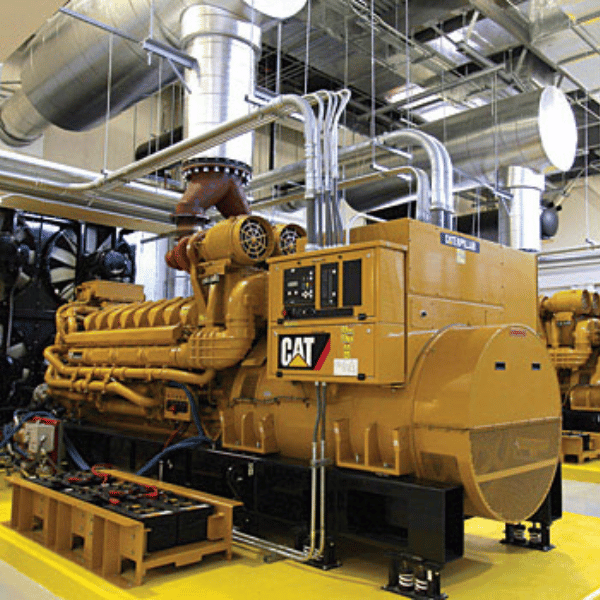
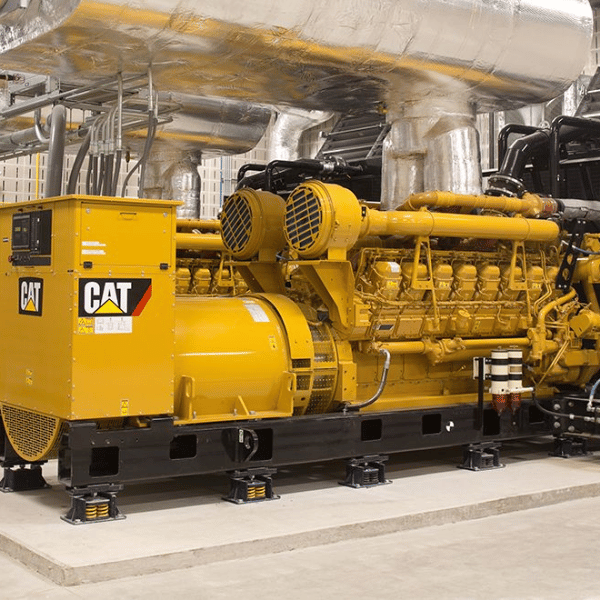
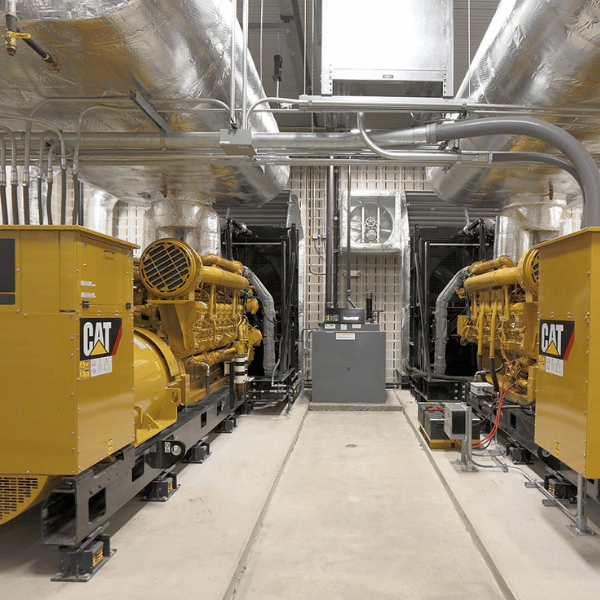
Hospital backup power systems are crucial infrastructures designed to ensure that healthcare facilities maintain continuous operations during power outages. These systems automatically kick in when the primary power source fails, providing a seamless energy supply to critical areas such as emergency rooms, intensive care units, and operating theaters. Essential for keeping life-saving medical equipment running, preserving medications at the right temperatures, and ensuring that medical procedures can go on uninterrupted, backup power solutions typically include diesel, natural gas, or propane generators, uninterruptible power supply (UPS) systems for immediate power needs, and automatic transfer switches for swift transition between power sources. Regular maintenance and testing are vital to ensure these systems are always ready for an emergency, making hospital backup power a foundational component of patient safety and care continuity in healthcare settings.
10000va ups 10KVA 220V High Frequency Online Hospital Backup Power Uninterrupted Specifications :
| Price | Contact us |
| Brand Name | Huali |
| Place of Origin | China |
| Min.Order Quantity | 1 |
| Payment Terms | OEM、ODM、OBM |
| Supply Ability | 1000 |
| Delivery Detail | 3-7days |
10000va ups 10KVA 220V High Frequency Online Hospital Backup Power Uninterrupted Detail Introduction :
In the realm of healthcare, the reliability and efficiency of hospital backup power systems are not just operational necessities but lifelines that ensure patient safety and continuous medical care during power outages. The essence of hospital backup power lies in its ability to provide a seamless transition of energy supply, ensuring that critical medical equipment and vital systems remain operational, thus safeguarding patient lives and maintaining essential healthcare services.
Critical Role of Backup Power in Hospitals
Hospital backup power systems play a pivotal role in healthcare facilities. They are designed to automatically activate within seconds of a power outage, ensuring that there is no disruption in the supply of electricity to critical areas such as operating rooms, intensive care units (ICUs), emergency departments, and other vital systems including lighting, communication, and security systems. This uninterrupted power supply is crucial for sustaining life-support machines, preserving medications in controlled temperatures, and ensuring that medical procedures can continue without risk to patient safety.
Components and Specifications of Hospital Backup Power Systems
| Component | Description | Importance |
| Generators | Provide the primary source of power during outages. Typically run on diesel, natural gas, or propane. | Ensure the continuous operation of critical systems and equipment. |
| Uninterruptible Power Supply (UPS) Systems | Battery-powered systems that provide instant power to sensitive equipment until generators come online. | Prevent power surges and provide immediate backup for life-saving equipment and data systems. |
| Automatic Transfer Switches (ATS) | Automatically switch the power source from the main supply to the backup generators. | Ensure a seamless transition to backup power without manual intervention. |
| Fuel Supply and Storage | Adequate fuel storage to run generators for an extended period without external supply. | Guarantees long-term operability of generators during prolonged outages. |
| Maintenance and Testing | Regular scheduled checks and tests on the backup power system. | Ensures the system's reliability and readiness during an actual power failure. |
The Importance of Regular Maintenance and Testing
The efficiency and reliability of hospital backup power systems are heavily dependent on regular maintenance and rigorous testing schedules. Hospitals must adhere to strict testing protocols, often mandated by healthcare regulations, to ensure that their backup power systems can perform optimally when needed. This includes testing the automatic startup of generators, the functionality of transfer switches, the endurance of UPS systems, and the availability of sufficient fuel. Regular maintenance prevents potential failures and identifies areas for improvement, ensuring the system's reliability in real-world scenarios.
Future Trends in Hospital Backup Power Solutions
As technology evolves, so do the solutions for hospital backup power. The integration of renewable energy sources, like solar panels and wind turbines, with traditional generator systems is gaining traction. This not only enhances the sustainability of healthcare facilities but also offers a more reliable and potentially limitless supply of backup power. Additionally, advancements in battery technology, particularly lithium-ion batteries, are improving the efficiency and capacity of UPS systems, allowing for longer support times and quicker recharging capabilities. These innovations are setting new standards for backup power systems, ensuring that hospitals remain the lifelines of healthcare, even in the face of unprecedented challenges.
Understanding hospital backup power systems is crucial for appreciating the complexity and importance of maintaining uninterrupted healthcare services. These systems are not merely backup plans; they are integral components that guarantee the safety and care of patients during critical times.
Related Products
Related Articles
-

The Heart of Innovation: A Tour of a Modern Generator Workshop
In the midst of a global energy transformation, the spotlight turns to the heart of electrical power – the generator. This pivotal era is marked by a significant shift towards sustainability, efficiency, and the integration of renewable resources, signaling a departure from traditional power generation methods that have long dominated our landscape. As we stand on the brink of this new era, the role of innovation within modern generator workshops has never been more critical.Generators have always been the backbone of power generation, converting mechanical energy into electrical power that fuels industries, lights up homes, and powers devices essential to our daily lives. However, the increasing demand for cleaner, more sustainable energy sources has propelled generator technology into the forefront of innovation. Modern generator workshops are not merely production facilities; they are the breeding grounds for revolutionary ideas and technologies that promise to redefine our energy
-
Revolutionizing Energy: Behind the Scenes at a Generator Manufacturer's Workshop
The quest for sustainable energy solutions has led humanity on an ambitious journey, transforming the very fabric of how we produce, consume, and think about energy. At the heart of this transformation is the evolution of the energy sector, which has gradually shifted from reliance on fossil fuels to a more diversified and sustainable approach. Generators, the unsung heroes of the energy world, play a pivotal role in this transition, offering a bridge between traditional energy sources and the promise of a renewable future.Innovation in generator technology is not just about improving efficiency or reducing costs; it's about revolutionizing energy production in its entirety. Modern generator manufacturers are at the forefront of this revolution, engineering solutions that are not only technologically advanced but also environmentally conscious. By integrating renewable energy sources into their designs, these manufacturers are redefining what it means to generate power in the 21st cent
-
Engineering the Future: A Journey Through Huali's Production Mastery
Huali stands as a towering figure in the engineering landscape, marking its territory through decades of relentless innovation and unparalleled mastery in production. With its roots deeply embedded in the pursuit of excellence, Huali has not only shaped its destiny but has also set the course for the future of generator technology. The journey of Huali from a modest inception to becoming a leader in engineering excellence is a testament to its unwavering mission to redefine the standards of quality and innovation.The inception of Huali was marked by a bold ambition: to revolutionize the way the world perceives and utilizes generator technology. This vision was not confined to mere words; it was a clarion call to action that propelled Huali into the forefront of the engineering domain. Through years of dedication, Huali has not only met but exceeded the industry benchmarks, establishing new paradigms of production excellence. The company’s role in spearheading advancements in generator
-
Revolutionizing Mining Operations: The Critical Role of Specialized Generators in Enhancing Efficiency and Safety
In the challenging and dynamic world of mining operations, the demand for reliable and efficient power solutions cannot be overstated. The introduction ofmining generatorshas revolutionized the way these operations harness energy, marking a significant leap from traditional power sources to more robust, adaptable, and resilient systems. This evolution reflects not just technological advancements but also a deeper understanding of the unique needs of mining environments.Historically, mining operations depended heavily on grid power or rudimentary generators that often fell short of the industry's demanding requirements. The advent ofmine spec generatorsand models like theCaterpillar generators 5500has addressed these challenges head-on, offering solutions that meet the specific demands of power, durability, and environmental compliance in mining.The termgenerator miningencompasses a wide array of generator types, each designed to fulfill different aspects of mining operations, from exca
-
Silent Sentinels: The Indispensable Role of Industrial Power Generators in Ensuring Operational Continuity
In the vast and complex landscape of industrial operations,industrial power generatorsstand as silent sentinels, ready to deliver essential power during critical moments. These robust machines are designed to meet the rigorous demands of the industrial sector, providing a reliable source of energy for a wide range of applications. From manufacturing plants to construction sites,industrial power generatorsensure that operations continue smoothly, even in the face of power outages or in locations where grid power is unavailable.Defining Industrial Power GeneratorsAnindustrial power generatoris a heavy-duty machine that converts mechanical energy, often from fossil fuels such as diesel, natural gas, or gasoline, into electrical power. Unlike their residential counterparts,industrial generatorsare built to withstand the rigors of industrial environments, offering higher power outputs and longer lifespans.Diesel generator industrialmodels, in particular, are prized for their efficiency and
-
Powering Through Uncertainty: The Essential Role of Emergency Generator Sets in Modern Society
In today’s rapidly evolving world, where the unexpected seems to be the only constant, the significance of anemergency generator setcannot be overstated. This essential piece of equipment serves as a beacon of light during power outages, natural disasters, and other unforeseen events, providing not only electricity but also a sense of security and continuity.Understanding the BasicsAnemergency generator set, often simply called a generator, is a device that converts mechanical energy into electrical power for use in an external circuit. This transformation is achieved through the internal combustion of fuel, which powers a motor attached to an alternator that produces electricity. The beauty of anemergency generator setlies in its ability to operate independently of the power grid, making it an invaluable asset during times of emergency when conventional power sources fail.Importance in Today’s WorldThe relevance ofemergency generator setshas grown exponentially in recent years. Acco
-
Empowering Construction: The Critical Role of Generators in Modern Building Projects
Introduction to Construction Site GeneratorsThe backbone of any construction project,construction site generators, are indispensable in ensuring that work progresses smoothly and efficiently. These robust machines provide the necessary power to run tools and machinery in locations where access to the grid is unavailable or unreliable. Theimportance of reliable power on construction sitescannot be overstated, as it directly impacts productivity, safety, and project timelines.Generators for construction sites come in various types and capacities to suit different project needs. From powering small tools to providing electricity for entire building sites, the versatility of these generators is evident. Thebest generator for a construction siteis one that matches the specific power requirements of the project, offering reliability and fuel efficiency.Portable generators for construction sitesare particularly valued for their flexibility. They can be easily moved to where power is most need
-
Powering Progress: The Global Impact of Perkins Gensets on Industrial and Residential Energy Solutions
Perkins Gensethas established itself as a cornerstone in the realm of power generation, offering robust and reliable solutions for a myriad of applications across the globe. The inception ofPerkinsas a brand dates back over 85 years, carving a niche for itself by consistently delivering high-performance and efficient engines. Today, Perkins Gensets are synonymous with quality and durability, catering to the diverse needs of both industrial and residential sectors.The importance of gensets in today's world cannot be overstated. As industries expand and the demand for reliable power sources escalates, the role of gensets becomes increasingly critical.Genset Perkins 150kVAandgenset Perkins 60 kVA silentmodels, for instance, exemplify the adaptability of Perkins Gensets to both high-capacity industrial needs and quieter, more residential applications. Thedistributor genset Perkinsnetwork ensures global availability, making Perkins a go-to choice for those in need of dependable power soluti
-
Powering Through: Ensuring Uninterrupted Care with Advanced Hospital Backup Power Solutions
In the realm of healthcare, the significance ofhospital backup powercannot be overstressed. Hospitals are sanctuaries of hope and healing, where every second can be the difference between life and death. Thus, the reliability of power in these settings transcends convenience—it's a critical necessity. The foundation of hospital operations, from emergency rooms to intensive care units, hinges on the continuous availability of electrical power. This need brings into focus the essential role ofhospital backup power systems, ensuring that healthcare services remain uninterrupted during power outages.Hospital backup powersystems, such ashospital generatorsandhospital battery backupsolutions, are meticulously designed to kick in seamlessly when the main power supply fails. These systems are not just auxiliary equipment; they are lifelines that support critical medical devices, lighting, heating, ventilation, and air conditioning systems, which are all vital for patient care and safety. The