



Genset Essentials: How to Select the Perfect Power Solution
Introduction to Gensets: Understanding the Basics
In today's world, where power outages can cause significant disruptions, having a reliable source of backup power is more crucial than ever. Gensets, or generator sets, serve as an essential solution to this need, offering an independent power source that can keep operations running smoothly during electrical failures. This article embarks on a journey to demystify gensets, focusing on their types, applications, and what makes them indispensable in both residential and commercial settings.
At the heart of the discussion are various types of gensets, including diesel genset, natural gas genset, and portable genset. Each type serves a unique purpose and comes with its own set of benefits. Diesel gensets, for instance, are celebrated for their efficiency and longevity, making them a preferred choice for heavy-duty applications. Natural gas gensets offer an eco-friendlier alternative, capitalizing on the cleaner-burning properties of natural gas. Meanwhile, portable gensets provide flexibility and convenience, allowing for easy relocation to meet temporary power needs, such as outdoor events or construction sites.
A key consideration in selecting a genset is its power output, commonly measured in kilovolt-amperes (kVA). Whether you need a 10 kva genset for small-scale residential use or a 100 kva genset for larger commercial applications, understanding the power requirements of your home or business is crucial.
Cummins Onan genset and Perkins genset stand out in the market for their reliability and performance. Cummins, with its Onan genset line, and Perkins are renowned for engineering gensets that consistently deliver power when it's needed the most. Their products range from small genset for home use to 3 phase genset configurations designed for industrial applications, emphasizing the diversity in genset technology and its adaptability to various needs.
The importance of gensets goes beyond just providing emergency power. In industries where power continuity is non-negotiable, such as healthcare and manufacturing, gensets act as a safeguard against the potential catastrophic consequences of power interruptions. Notably, the evolution of genset technology has led to the development of silent genset models, which significantly reduce noise pollution, and genset inverter technology, which offers improved fuel efficiency and reduced emissions.
In the words of John Smith, a senior engineer at Global Power Solutions, "The advancements in genset technology have transformed how businesses and homeowners approach power backup solutions. Today's gensets are not just about emergency power; they're about ensuring continuity, sustainability, and efficiency."
As we delve deeper into the world of gensets, it becomes evident that they are not a one-size-fits-all solution. The market offers a wide array of options, from the portable genset for home to robust industrial gensets, each designed to meet specific power needs. Whether you're looking to safeguard your home against power outages, power a large-scale event, or ensure the uninterrupted operation of critical infrastructure, there's a genset tailored to your requirements.
In conclusion, understanding the basics of gensets is the first step toward recognizing their value in today's power-dependent world. From the fuel-efficient diesel genset to the eco-friendly natural gas genset and the versatile portable genset, the options are vast, but the goal is the same: to provide reliable power wherever and whenever it's needed.
Stay tuned as we explore more about gensets, including how to choose the right one for your needs, in the following sections of this article.
Key Features to Consider When Selecting a Genset
When it comes to choosing the right genset for your needs, several crucial factors come into play. These not only influence the performance and efficiency of the genset but also its applicability to your specific situation. Understanding these key features will ensure that you invest in a generator that meets your power requirements effectively and efficiently.
Power Output
The power output of a genset, often measured in kVA (kilo-volt-amperes), is one of the most critical factors to consider. Whether you're looking at a 10 kva genset, a 20 kva genset, or even a 100 kva genset, it's essential to match the power output with your energy demand. For instance, genset 10 kva price and genset 100 kva price vary significantly, reflecting the difference in power capacity and, consequently, the applications they're suited for.
Fuel Type
The choice of fuel is another vital consideration, as it impacts the genset's operational cost, maintenance, and environmental footprint. Diesel genset remains a popular choice due to its reliability and widespread availability. However, natural gas genset and biogas genset are gaining traction for their cleaner operation and potentially lower fuel costs. The diesel genset price might initially be lower than a gas genset, but the long-term operational costs could differ significantly based on fuel prices and efficiency.
Phase Configuration
The electrical output of a genset can be single-phase or three-phase (3 phase genset), which should align with the requirements of the equipment that will be powered. Residential applications often use single-phase power, while industrial or commercial facilities typically require a three-phase genset for heavy machinery and equipment.
Portability
For those requiring power in multiple locations or for applications such as events, construction sites, or emergency power, the portability of a genset is a key factor. Portable genset for home, honda portable genset, and small genset for home offer convenience and flexibility, allowing users to easily move the generator to where it's needed most.
Noise Levels
Particularly in residential areas or for event use, the operational noise of a genset is an important consideration. Silent genset and genset inverter models are designed to operate quietly, minimizing disturbance to surrounding areas.
Environmental Considerations
With increasing focus on environmental sustainability, selecting a genset that complies with emission standards is crucial. Natural gas genset and biogas genset are considered more environmentally friendly options compared to traditional diesel generators.
Renowned energy expert, Dr. Hannah Richardson, emphasizes the importance of aligning genset features with usage requirements: "Selecting the right genset involves a careful balance of power output, fuel type, and environmental impact, ensuring that you not only meet your energy needs but do so in a cost-effective and environmentally responsible manner."
In conclusion, understanding these key features and how they relate to your specific power needs is essential in choosing the right genset. By considering the power output, fuel type, phase configuration, portability, noise levels, and environmental considerations, you can ensure that your genset investment is both efficient and effective.
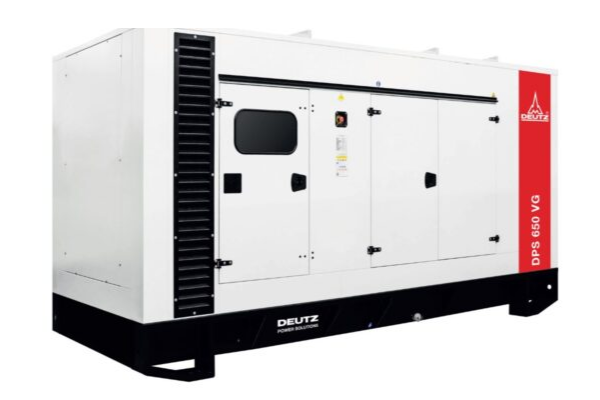
Popular Genset Brands and Their Offerings
When navigating the diverse market of gensets, familiarizing oneself with leading brands can significantly aid in making an informed choice. Each brand comes with its unique strengths, catering to different segments of the market. Here's a look at some of the most reputable genset brands and what makes them stand out.
Cummins Genset
Cummins is synonymous with reliability and innovation in the power generation industry. The Cummins genset range is renowned for its robust performance and versatility, serving both residential and industrial applications. The Cummins Onan genset, in particular, is celebrated for its quiet operation and reliability, making it a preferred choice for RV owners and marine applications. Cummins genset price reflects the quality and durability that the brand is known for, offering significant value over the lifetime of the product.
Perkins Genset
Perkins has carved a niche for itself in the market with its focus on efficiency and global compliance. Perkins genset units are designed to meet the stringent emission standards of various regions, making them a go-to choice for environmentally conscious users. The versatility of applications, from industrial genset to portable genset for home, highlights Perkins' commitment to catering to a broad customer base. Perkins genset units are known for their fuel efficiency, which can significantly reduce operational costs.
Honda Portable Genset
Honda is a name that resonates with portability and convenience in the genset market. The Honda portable genset models are lightweight, easy to operate, and incredibly reliable, making them perfect for emergency power needs or outdoor recreational use. Their silent genset options further add to their appeal in noise-sensitive environments, ensuring power without disruption.
Kubota Genset
Kubota gensets are praised for their compact design and durability, offering efficient power solutions especially in the agricultural and construction sectors. Kubota genset models are designed to withstand rigorous use, making them ideal for demanding industrial environments. The brand's commitment to research and development is evident in the continuous improvement of their genset offerings.
Yanmar Genset
Yanmar focuses on delivering high-quality power solutions that boast fuel efficiency and minimal environmental impact. Yanmar genset units are especially popular in marine and small industrial applications, known for their reliability and compact size. Their commitment to innovation ensures that their gensets remain at the forefront of technology and environmental compliance.
Renowned energy analyst, Michael Peterson, notes, "The choice of a genset brand should align with the specific needs of the application, considering factors like power output, operational environment, and sustainability goals. Brands like Cummins, Perkins, Honda, Kubota, and Yanmar offer distinct advantages that cater to diverse requirements, ensuring there's a solution for virtually any power need."
In selecting a genset, potential buyers should consider not just the genset price or genset kva capacity but also brand reputation, after-sales support, and compliance with local regulations. This ensures not only the satisfaction of immediate power needs but also long-term reliability and compliance with environmental standards.
Genset Applications: From Industrial to Home Use
Gensets, or generator sets, are incredibly versatile, offering power solutions across a spectrum of applications. From industrial settings requiring robust power generation to residential areas in need of emergency backup, the use of gensets is widespread. Understanding the various applications can help users choose the right genset tailored to their specific needs.
Industrial Applications
In industrial environments, reliability and power capacity are paramount. Caterpillar genset, mtu genset, and Perkins genset are often preferred for their high output and durability. These gensets power everything from manufacturing plants and construction sites to mining operations, where failure is not an option. For instance, a genset 500kva or even a genset 1000kva might be deployed to ensure uninterrupted operations in large-scale industrial activities.
Commercial and Residential Use
For businesses and homes, power reliability is crucial for continuity and safety. Portable genset for home, such as the Honda portable genset or smaller Kubota genset models, provide a convenient source of backup power during outages. Similarly, silent genset for home models are increasingly popular in residential areas, minimizing noise while securing households against power disruptions.
Emergency and Standby Power
In critical facilities like hospitals, data centers, and emergency response units, gensets serve as a lifeline during power outages. Diesel genset models, known for their reliability and quick start-up times, are often used as emergency generator setups. The Cummins Onan genset series, for instance, is known for its rapid response capabilities, ensuring that essential services remain operational.
Recreational and Portable Power
For outdoor enthusiasts and those requiring mobile power solutions, portable genset models offer flexibility and convenience. Honda and Yanmar provide lightweight and compact gensets that can easily be transported for camping trips, outdoor events, or as power sources for RVs and boats.
Renewable Energy Integration
With the growing emphasis on sustainability, gensets are increasingly being integrated with renewable energy systems. Biogas genset and natural gas genset models offer cleaner alternatives to traditional diesel generators, reducing the carbon footprint of off-grid power systems. This application is particularly relevant in remote locations where renewable resources like wind and solar are used as primary power sources, with gensets providing backup power during low production periods.
Industry expert, Dr. Sarah Thomson, emphasizes the role of gensets in modern power solutions: "Gensets are not just about providing backup power; they're an integral part of strategic energy planning, ensuring reliability, sustainability, and efficiency across various applications. From silent genset models enhancing residential comfort to industrial genset units powering critical infrastructure, the adaptability of gensets is key to their widespread use."
In summary, gensets cater to a broad range of applications, from heavy industrial use to personal recreational needs. The choice of a suitable genset—considering factors like size, fuel type, noise level, and power output—ensures reliable and efficient power generation tailored to the specific requirements of each application.
The Market for Used Gensets: A Buyer’s Guide
Navigating the market for used gensets presents a viable option for many, offering cost savings without compromising on quality. Whether it's a genset second hand for temporary use or a budget-friendly diesel genset for sale, understanding how to make a smart purchase is key. Here’s a comprehensive guide to help you through the process.
Evaluating the Condition
The condition of a used genset is paramount. Prospective buyers should request maintenance records and conduct a thorough inspection, preferably by a qualified technician. Checking for wear and tear on critical components, such as the genset starter, genset engine, and genset alternator, can reveal how well the unit has been cared for. Models like the onan 4000 genset or a cummins onan genset, known for their durability, might show less wear and provide more value over time.
Understanding the Usage History
The genset's history, including its applications and operational hours, provides insights into its expected lifespan and potential issues. For instance, a genset for home use likely has fewer operational hours and wear compared to one used in an industrial setting. Similarly, genset generator units previously used in harsh environments may require more thorough inspection for corrosion or damage.
Assessing Power Capacity and Fuel Type
Matching the genset’s capacity to your power needs ensures you don’t overpay for unused potential or underbuy and risk inadequate supply. Whether you need a 10kva genset or a more substantial 30 kva genset, understanding your power requirements is crucial. Additionally, consider the fuel type—whether a diesel genset, gas genset, or biogas genset—based on availability and operating costs in your area.
Warranty and Support
Although used gensets may not come with the same warranties as new ones, some sellers or certified dealers offer limited warranties or service packages. Inquiring about after-sales support, including access to genset spare parts and service, can provide peace of mind. Brands like Cummins, Perkins, and Caterpillar genset often have extensive service networks, making support more accessible.
Price Comparison and Negotiation
Researching the current market genset price for both new and used models can give you a ballpark figure to work with. Don’t shy away from negotiating, especially if you’ve identified potential concerns during your assessment. Remember, the goal is to find a balance between price and the genset’s condition and suitability for your needs.
Renowned machinery analyst, Mark Stevenson, advises, "When considering a used genset, due diligence is key. Assessing the unit's condition, understanding its history, and ensuring it meets your power requirements can lead to significant savings and reliable performance. Opting for models with a strong brand reputation, like Perkins genset or Kubota genset, can further enhance the value of your investment."
In summary, the used genset market offers opportunities for savings without compromising quality, provided buyers approach the process informed and prepared. By carefully evaluating the genset's condition, history, capacity, and ensuring adequate post-purchase support, you can secure a reliable power solution that meets both your needs and budget.
Understanding Genset Pricing and Investment
Investing in a genset is a significant decision that involves understanding not only the initial genset price but also the long-term costs associated with ownership. The price of a genset can vary widely based on several factors, including power capacity, fuel type, brand, and additional features. This section aims to shed light on these aspects to help potential buyers make an informed decision.
Power Capacity
The capacity of a genset, typically measured in kVA or kW, is a primary determinant of its price. A 10 kva genset or a 5 kva genset price will be considerably lower than that of a 100 kva genset or larger models like a 500kva genset. The key is to accurately assess your power needs to avoid overspending on unnecessary capacity or underspending and ending up with inadequate power.
Fuel Type
The choice of fuel—whether diesel genset, natural gas genset, biogas genset, or even LPG genset—impacts the initial cost and operational expenses. Diesel genset for home use and diesel genset price are often attractive for their lower initial cost and high efficiency, but fuel prices and maintenance may add to the total cost of ownership. Gas genset models might have a higher purchase price but can offer lower running costs in regions with accessible natural gas.
Brand and Quality
Renowned brands like Cummins genset, Perkins genset, and Caterpillar genset command a premium due to their reputation for reliability, durability, and comprehensive after-sales service. While the cummins genset price or caterpillar genset cost might be higher upfront, the investment can be justified by the product's longevity and lower maintenance requirements over its lifecycle.
Additional Features
Features such as silent genset technology, genset ats (Automatic Transfer Switch), and genset inverter functionality can add to the cost but provide significant value depending on the application. For example, a silent genset for home use ensures power backup without disturbing the household or neighbors, while an ATS enhances convenience and safety by automatically switching power sources during an outage.
Financial advisor and energy sector specialist, Laura Gibson, emphasizes, "When considering a genset purchase, it's crucial to look beyond the sticker price. Evaluating the total cost of ownership, including fuel consumption, maintenance, and potential resale value, will provide a more accurate picture of the investment's worth. Furthermore, opting for reputable brands might entail a higher initial cost but often results in savings and reliability in the long run."
In conclusion, understanding genset pricing involves considering various factors, including power requirements, fuel type, brand reputation, and additional features. By taking a comprehensive view of both initial and ongoing costs, potential buyers can ensure they make a genset investment that offers the best value and meets their specific power needs effectively.
Installation and Maintenance of Gensets
The successful deployment and longevity of a genset rely heavily on proper installation and regular maintenance. These factors are critical not only to ensure the genset operates efficiently but also to extend its lifespan and minimize operational costs. Here’s what you need to know about setting up and maintaining your genset.
Installation Considerations
Location
Choosing the right location for your genset is paramount. It should be easily accessible for maintenance and sufficiently ventilated to dissipate heat and exhaust. For silent genset models or mobile genset units, special considerations may be needed to comply with local noise regulations or facilitate movement.
Foundation
A solid foundation is essential to support the genset and minimize vibrations. Whether it’s a small genset for home or a large industrial genset, ensuring a stable and level base can significantly impact performance and durability.
Electrical and Fuel Connections
Properly connecting the genset to fuel sources and electrical loads requires expertise. This is especially true for 3 phase genset installations or integrating genset ats systems for seamless power transition. Hiring qualified professionals for this phase is advised to ensure compliance with electrical codes and safety standards.
Maintenance Practices
Regular Servicing
Scheduled maintenance, including oil changes, filter replacements, and cooling system checks, is crucial. For instance, maintaining a diesel genset involves regular inspection of the fuel system to prevent blockages or leaks. Genset supplier or manufacturer maintenance plans can offer structured servicing schedules.
Monitoring Performance
Using genset monitoring tools or systems can help detect potential issues before they escalate. Modern gensets, like cummins genset models equipped with digital controls, allow for real-time monitoring of operational parameters, enhancing preventive maintenance efforts.
Component Replacement
Wear and tear on components such as genset starter, batteries, and alternators are inevitable. Keeping a stock of essential parts, like air filter genset or fuel filter genset, can minimize downtime. Relying on original parts from the genset manufacturer or authorized distributor genset ensures compatibility and reliability.
Renowned mechanical engineer, Dr. Emily Walton, states, "Proper installation and diligent maintenance are the cornerstones of genset reliability and performance. Neglecting these aspects can lead to inefficiencies, increased operational costs, and even premature failure. Investing time in regular checks and following the manufacturer’s guidance pays off in extended equipment life and optimal functioning."
In summary, correctly installing and maintaining a genset requires attention to detail, from site preparation and system integration to routine checks and timely repairs. Adhering to best practices in installation and committing to a comprehensive maintenance regimen can significantly enhance the effectiveness and lifespan of your genset, ensuring reliable power when you need it most.
Future Trends in Genset Technology
The genset industry is on the cusp of significant transformations, driven by advancements in technology, increasing environmental concerns, and evolving regulatory landscapes. These trends are shaping the future of power generation, making gensets more efficient, environmentally friendly, and adaptable to new energy paradigms. Understanding these future directions can help stakeholders make informed decisions about their power generation needs.
Advancements in Fuel Efficiency and Emissions
One of the primary focus areas is enhancing fuel efficiency and reducing emissions. Manufacturers are innovating to produce gensets that consume less fuel and emit fewer pollutants without compromising on power output. For instance, gas genset models, including natural gas genset and biogas genset, are becoming more popular due to their cleaner combustion compared to traditional diesel genset units. Technologies such as advanced combustion control and exhaust after-treatment are becoming standard features.
Integration with Renewable Energy Systems
The integration of gensets with renewable energy sources is a growing trend. Hybrid systems that combine solar power with a diesel genset or a natural gas genset offer a balance between reliability and sustainability. These systems can reduce fuel consumption and emissions by leveraging renewable energy when available, with the genset acting as a backup during low production periods. Genset inverter technology allows for seamless integration and efficient energy management.
Smart Gensets and IoT Connectivity
The advent of the Internet of Things (IoT) is making smart gensets a reality. These gensets are equipped with connectivity features that enable remote monitoring, diagnostics, and control. This genset monitoring capability not only improves maintenance efficiency but also allows for optimal operation based on real-time data. Cummins genset, Perkins genset, and other leading brands are investing in digital solutions to offer enhanced user experiences.
Focus on Noise Reduction and Portability
Consumer demand for quieter and more portable power solutions is leading to innovations in silent genset designs and portable genset models. Noise reduction technologies are being integrated into gensets to minimize sound emissions, making them suitable for residential areas and noise-sensitive applications. Meanwhile, advancements in materials and design are making gensets lighter and more compact, enhancing their portability without sacrificing power.
Regulatory Compliance and Sustainability
As global emissions regulations become stricter, genset manufacturers are focusing on compliance and sustainability. This includes developing gensets that meet the latest emission standards and exploring alternative fuels that reduce the carbon footprint. The industry is also seeing a push towards electric genset models and other innovations that align with future energy policies and environmental goals.
Energy expert, Dr. Kevin Patel, highlights the significance of these trends: "The future of gensets lies in their ability to adapt to a rapidly changing energy landscape. Innovations in fuel efficiency, integration with renewable sources, smart technology, and sustainability are not just enhancing the genset offerings but are also making them a critical component of the future energy mix."
In conclusion, the genset industry is evolving to meet the needs of a more connected, environmentally conscious world. By embracing these future trends, genset technology will continue to play a pivotal role in providing reliable, efficient, and cleaner power solutions across various applications.
Genset Accessories and Additional Features
The functionality and efficiency of gensets can be significantly enhanced with the right accessories and features. From ensuring seamless operation to enhancing safety and convenience, these add-ons play a crucial role in optimizing genset performance. Here’s an overview of key genset accessories and additional features that users should consider.
Automatic Transfer Switch (ATS)
An Automatic Transfer Switch (ATS) is crucial for emergency or standby power systems. It automatically switches the power source from the main supply to the genset during an outage and vice versa when the main power is restored. This ensures continuous power supply without manual intervention, making it essential for critical facilities like hospitals and data centers.
Sound Attenuation
For applications where noise is a concern, such as residential areas or hospitals, silent genset models equipped with sound attenuation features are vital. Soundproof enclosures and mufflers reduce the noise generated during operation, making them neighbor-friendly. The genset sound system is designed to minimize vibration and noise, crucial for enhancing comfort and meeting local noise regulations.
Remote Monitoring and Control
The integration of genset monitoring systems enables real-time tracking of performance and health indicators. Users can remotely monitor fuel levels, operational hours, and key performance metrics through a genset inverter or control panel. This not only aids in preventative maintenance but also allows for remote troubleshooting and adjustments, enhancing convenience and operational efficiency.
Fuel System Upgrades
For extended operation, additional fuel tanks or external fueling systems can be integrated with the genset. This is particularly useful for diesel genset models or applications where refueling might be challenging. Advanced fuel systems ensure the genset runs longer without the need for frequent refueling, essential for remote or uninterrupted power applications.
Cooling System Enhancements
In hot climates or continuous operation settings, upgrading the cooling system can prevent overheating and ensure the genset operates within safe temperature ranges. Enhanced cooling systems, including larger radiators or external cooling units, can significantly improve performance and longevity.
Genset Sizing Software
Selecting the right size genset is crucial for efficient operation. Manufacturers often provide genset sizing software or tools to help users determine the appropriate genset based on their specific power needs. This software considers various factors, including peak load, continuous load, and application type, to recommend the most suitable genset configuration.
Renowned engineer and power solutions expert, Dr. Marcus Young, emphasizes the importance of these accessories and features: "Investing in the right accessories and leveraging advanced features can transform a basic genset into a highly efficient, user-friendly power solution. From ATS for seamless power transition to genset monitoring for proactive maintenance, these enhancements are instrumental in maximizing the value and performance of your genset investment."
In summary, genset accessories and additional features are essential components that enhance the functionality, safety, and efficiency of genset operations. Whether it's through ensuring uninterrupted power supply, reducing operational noise, or enabling remote monitoring and control, these enhancements play a pivotal role in meeting the diverse needs of genset users across various applications.
Choosing the Right Genset: A Comprehensive Guide
Selecting the appropriate genset involves more than just picking a model off the shelf. It requires careful consideration of your specific power needs, operational environment, and long-term objectives. Here's a guide to making an informed decision that ensures your investment in a genset pays off in reliability, efficiency, and suitability.
Assess Your Power Requirements
Begin by understanding your power needs. Consider both your peak and continuous power demands to ensure the genset can handle your load without being over or under-utilized. Utilizing genset sizing tools or consulting with experts can provide valuable insights into selecting a genset with the right kVA capacity, whether it's a 10kva genset, 20 kva genset, or a larger 100 kva genset.
Determine the Right Fuel Type
Your choice of fuel—be it diesel, natural gas, biogas, or LPG—will affect both the operational costs and the environmental impact of your genset. Diesel gensets are renowned for their reliability and efficiency, making them suitable for a wide range of applications. Meanwhile, natural gas gensets and biogas gensets offer cleaner alternatives, potentially reducing emissions and operating costs.
Consider the Operational Environment
The environment in which the genset will operate dictates certain specifications. For indoor or residential areas, a silent genset or a genset with sound attenuation features is preferable to minimize noise pollution. Portable genset models or those with remote monitoring capabilities might be essential for operations that require flexibility and control.
Evaluate Brands and Models
Researching brands and models is crucial. Renowned brands like Cummins, Perkins, Caterpillar, and Honda offer reliability and extensive after-sales support. Reviewing genset reviews and genset price comparisons can shed light on customer experiences and value for money. For instance, a Cummins genset or Perkins genset might offer the durability and efficiency needed for industrial applications, while a Honda portable genset could be ideal for home backup.
Budget and Total Cost of Ownership
Consider your budget not just in terms of the initial purchase price but also the total cost of ownership, which includes fuel consumption, maintenance, and potential repairs. A lower genset price might be attractive upfront, but higher operational costs could make it more expensive in the long run.
Consult with Experts
Seek advice from industry experts or genset suppliers who can offer personalized recommendations based on your requirements. Their experience can help you navigate the nuances of genset technology, fuel efficiency, and regulatory compliance, ensuring you choose a genset that aligns with your needs and preferences.
Energy consultant, Alex Thompson, advises, "The right genset goes beyond mere power generation; it's about reliability, compliance, and fitting into your energy strategy. Thorough research, expert consultation, and considering future needs are key steps in selecting a genset that offers the best return on investment."
In summary, choosing the right genset requires a holistic approach that considers your specific power needs, operational environment, fuel preferences, and brand reliability. By meticulously assessing these factors and seeking expert advice, you can ensure that your genset not only meets your current demands but also adapts to future requirements, providing a dependable and efficient power solution for years to come.