



Emergency Power Solutions: How to Choose the Right Generator Set for Uninterrupted Operations
In the fabric of modern society, where reliability and continuity have become non-negotiable, emergency power solutions have emerged as the linchpins of infrastructural resilience. At the heart of these solutions lie emergency generator sets—robust, reliable systems designed to kick in the moment conventional power sources fail, ensuring that critical operations remain uninterrupted.
The indispensability of emergency generator sets in maintaining operational continuity cannot be overstressed. From hospitals requiring constant power to keep life-saving equipment running, to data centers where even a momentary loss of power can lead to catastrophic data loss, the role of these generator sets is critical. As quoted by an expert in power generation technology, "The difference between a minor inconvenience and a major catastrophe often comes down to the reliability of your emergency power solution."
Emergency generator sets serve not just as a backup but as a bridge to stability in times of uncertainty. They come in various configurations to meet diverse needs—from portable units for temporary setups to stationary generators for permanent installations. Understanding their operation, which relies on converting fuel into electrical energy through internal combustion engines, is fundamental in appreciating their efficiency and reliability.
This introductory exploration aims to shed light on the criticality of emergency generator sets in sustaining the lifelines of modern infrastructure. It serves as a precursor to a deeper dive into how to select the right generator set, ensuring that your operations remain seamless, no matter the external power conditions.
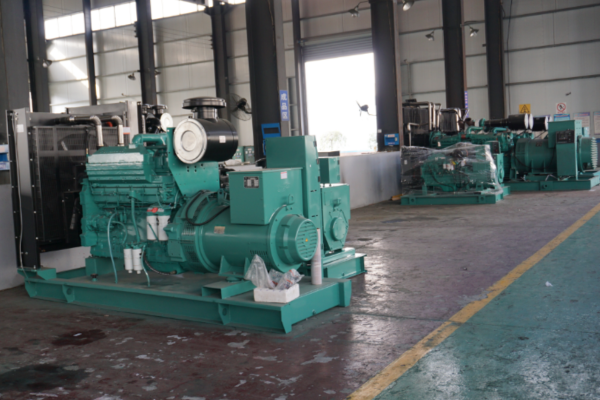
Emergency Generator Set
Understanding Emergency Generator Sets
At its core, an emergency generator set is an independent source of electrical power that supports essential services when the main supply fails. Its fundamental components include an engine, generator, fuel system, voltage regulator, cooling and exhaust systems, battery charger, and control panel. Together, these elements work in concert to convert fuel—typically diesel, gas, or propane—into electrical energy.
Definition and Key Components
- Engine: The heartbeat of the generator set, converting fuel into mechanical energy.
- Generator: Transforms mechanical energy from the engine into electrical power.
- Fuel System: Stores and supplies fuel to the engine. Diesel is a common choice for its energy efficiency and storage capability.
- Voltage Regulator: Manages output voltage, ensuring consistency and reliability.
- Cooling and Exhaust Systems: Maintain optimal operating temperatures and safely expel exhaust gases.
- Battery Charger: Keeps the starter battery fully charged for reliability.
- Control Panel: The interface for monitoring and operating the generator set.
Types of Emergency Generator Sets
Emergency generator sets are categorized mainly by their fuel source:
- Diesel Generator Sets: Known for their efficiency and longevity, diesel generators are a popular choice for continuous operations.
- Gasoline Generator Sets: Often used for smaller or portable applications due to the availability of fuel but have a shorter lifespan and higher operating costs compared to diesel.
- Natural Gas Generator Sets: Ideal for stationary installations where natural gas lines are available, offering cleaner emissions but potentially less power density.
- Dual-Fuel Generator Sets: Can operate on a mixture of diesel and another fuel, usually natural gas, providing flexibility and resilience in fuel supply.
Principle of Operation
The operation of an emergency generator set begins when a power outage is detected. Automatically, the transfer switch isolates the electrical load from the grid, and the generator set starts up. Once running, it generates power, sending it through the transfer switch to the critical systems and appliances. This seamless transition ensures that operations continue without interruption, underscoring the importance of emergency generator sets in modern infrastructural resilience.
Understanding these basics sets the stage for a deeper exploration into assessing your power needs and choosing the right generator set, which will be discussed in the following sections.
Assessing Your Emergency Power Needs
Assessing your emergency power needs is the foundational step towards ensuring uninterrupted operations through emergency generator sets. This process begins with a comprehensive evaluation of your facility's power requirements, not just under normal operating conditions but especially in emergency scenarios where conventional power sources are unavailable.
Conducting a Needs Assessment
The first step in conducting a needs assessment is to inventory all critical systems and operations that require power. This includes life-safety systems, data centers, heating and ventilation systems, and any machinery critical to maintaining operational continuity. Each component's power consumption should be documented to understand the total demand placed on the emergency generator set.
Calculating Power Requirements
When calculating power requirements, it's essential to consider not only the running wattage of each device but also the starting wattage—often significantly higher due to initial power surges when equipment turns on. Summing these figures gives a baseline for the minimum power output your emergency generator set must provide. However, it's prudent to add a margin of safety—commonly 20%—to this total to accommodate unforeseen demands and ensure scalability.
The Importance of Scalability and Future-proofing
Scalability and future-proofing are crucial in emergency power planning due to the evolving nature of operations and technology. As facilities grow or upgrade equipment, their power needs can change. Selecting a generator set that can accommodate future growth without the need for immediate replacement is both economically and operationally efficient. This foresight in planning ensures that your emergency power solution remains robust and adaptable, aligning with long-term operational goals.
By methodically assessing your emergency power needs, you lay the groundwork for selecting an emergency generator set that not only meets your current requirements but is also capable of adapting to future demands. This strategic approach ensures that your operations can continue seamlessly, irrespective of external power challenges, safeguarding both productivity and safety.
Choosing the Right Type of Emergency Generator Set
Choosing the right type of emergency generator set is pivotal to ensuring your operations remain uninterrupted during power outages. The decision involves weighing the pros and cons of various types of generators, their fuel sources, and determining which configuration best meets the unique needs of your operation.
Comparison of Diesel, Gas, and Dual-Fuel Generator Sets
Diesel Generator Sets are renowned for their efficiency, long lifespan, and high power output, making them a popular choice for emergency power solutions. They're particularly suitable for large-scale operations due to their robust performance in demanding conditions. However, they can be more expensive initially and require regular maintenance.
Gas Generator Sets, on the other hand, are valued for their cleaner emissions and lower operating costs. They're often used in environments where noise and air quality are significant considerations, like hospitals and residential areas. The main drawback is their dependency on the gas supply, which can be disrupted during natural disasters or other emergency scenarios.
Dual-Fuel Generator Sets offer flexibility in fuel choice, switching between diesel and gas depending on availability, cost, or environmental considerations. This adaptability can be a significant advantage in areas prone to fuel supply disruptions.
Advantages and Disadvantages of Portable vs. Stationary Generator Sets
Portable Generator Sets are ideal for temporary or remote applications where power needs are smaller and less constant. They offer flexibility and convenience but typically have lower power outputs and require more frequent refueling.
Stationary Generator Sets are designed for permanent installations where continuous, high-capacity power is needed. They're more durable and capable of handling larger loads over extended periods. The primary consideration is the higher initial investment and the space required for installation.
Criteria for Selecting the Right Type of Generator Set
Selecting the right generator set involves considering several criteria:
- Operational Requirements: Assess the total power needs, including peak demand and the necessity for uninterrupted power.
- Fuel Availability and Storage: Consider the availability and storage requirements of fuel types in your area.
- Environmental and Noise Restrictions: Be aware of local regulations regarding emissions and noise levels, which can influence the choice of generator type.
- Budget Constraints: Evaluate the initial investment, operating costs, and maintenance expenses of different generator sets to find one that fits your budget.
- Future Scalability: Ensure the generator set can accommodate potential future expansion or increased power needs.
By carefully evaluating these factors, you can choose an emergency generator set that not only meets your current needs but also aligns with your operational goals and budget constraints. This strategic approach will ensure that your operations remain resilient in the face of power disruptions, safeguarding your productivity and safety.
Installation and Maintenance Best Practices
Proper installation and routine maintenance are critical to ensuring the reliability and longevity of emergency generator sets. By adhering to best practices in these areas, facilities can guarantee that their emergency power systems are ready to operate effectively when needed most.
Guidelines for Proper Installation
The installation of an emergency generator set is a complex process that should ideally be undertaken by professionals. Key considerations include:
- Location: Choosing a location that is easily accessible for maintenance but is also safe from flooding, excessive moisture, and potential physical damage.
- Ventilation: Ensuring adequate ventilation to prevent overheating and to allow for the safe discharge of exhaust gases.
- Fuel Supply: Establishing a reliable fuel supply system that adheres to local codes and regulations, with considerations for fuel type and storage capacity.
- Electrical Connections: Making electrical connections in compliance with national and local electrical codes to ensure safety and functionality.
Routine Maintenance Tips
Regular maintenance is essential to the performance and reliability of your generator set. Maintenance routines should include:
- Regular Engine Checks: Including oil changes, checking coolant levels, and inspecting batteries to ensure they are fully charged and in good condition.
- Fuel System Maintenance: Regularly inspecting the fuel system for leaks and ensuring that fuel is fresh since diesel and gasoline can degrade over time.
- Testing and Inspections: Conducting load tests and visual inspections to identify and address potential issues before they lead to failures.
The Role of Professional Services
While daily checks and basic maintenance can be performed by trained facility staff, more complex services should be handled by professional service providers. These experts can perform comprehensive diagnostics, undertake repairs, and provide guidance on maintaining the generator set in peak condition. As noted by industry experts, "Regular professional maintenance is not an expense but an investment in reliability."
By following these guidelines for installation and maintenance, facilities can ensure that their emergency generator sets are always ready to provide critical power in emergencies, thereby safeguarding operations and preventing potentially catastrophic interruptions.
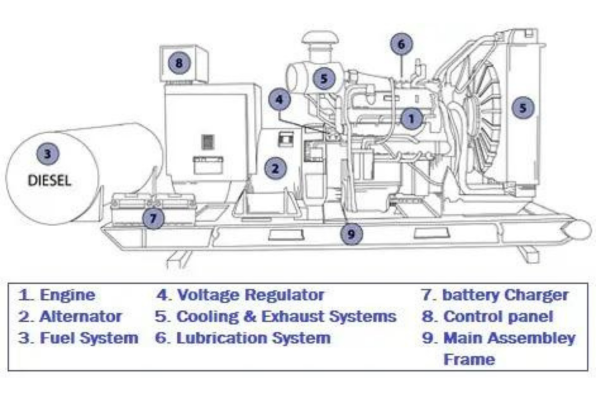
Emergency Generator Set Diagram
Image Source:https://www.electricaltechnology.org/2018/03/emergency-generator-set.html
Conclusion
In this exploration of emergency power solutions and the critical role of emergency generator sets, we've navigated through the essential steps and considerations for choosing the right generator set to ensure uninterrupted operations. From assessing your emergency power needs to the installation and routine maintenance of your generator set, each phase is pivotal in guaranteeing that your operations can withstand power disruptions without faltering.
Emergency generator sets stand as a testament to the resilience and preparedness of modern infrastructures, providing a shield against the uncertainties of power supply. As we've seen, selecting the right generator set is not merely about meeting current needs but also about anticipating future demands and challenges. It requires a balance of technical insight, foresight, and adherence to best practices in installation and maintenance.
In conclusion, the choice of an emergency generator set is a decision that impacts the very backbone of operational continuity and safety. It's a decision that demands careful consideration, expert advice, and a forward-looking approach. By adhering to the guidelines and best practices outlined in this guide, organizations can ensure they are well-equipped to maintain seamless operations, come what may.
The journey towards operational resilience, powered by reliable emergency generator sets, is both a commitment and an investment in the future—a future where operations can thrive, uninterrupted, regardless of external challenges.
FAQs: Common Questions About Emergency Generator Set
1. What is an Emergency Generator Set?
An emergency generator set is a self-contained equipment system designed to provide electricity in the event of a power outage. It typically includes an engine, generator, fuel system, and controls, all integrated into one unit.
2. How Does an Emergency Generator Set Work?
An emergency generator set operates by converting fuel (usually diesel, gasoline, or natural gas) into electrical power through a combustion engine. This power is then used to run electrical equipment or critical systems when the main power source fails.
3. Why is an Emergency Generator Set Important?
Emergency generator sets are crucial for facilities where power is essential for safety and operations, such as hospitals, data centers, and industrial plants. They provide a reliable power source during outages, ensuring continuous operation of critical systems.
4. How Do I Choose the Right Emergency Generator Set for My Needs?
Choosing the right emergency generator set involves considering several factors, including the power capacity needed, fuel type, size, noise level, and environmental conditions. Consulting with a professional can help determine the best fit for your specific requirements.
5. What Maintenance Does an Emergency Generator Set Require?
Regular maintenance is vital to ensure the reliability of an emergency generator set. This includes checking and changing oil and filters, testing battery function, ensuring fuel quality, and running the generator under load at regular intervals.
6. Can an Emergency Generator Set Power My Entire Facility?
The capacity of an emergency generator set to power an entire facility depends on its size and the facility's power needs. It's important to calculate the total load requirements to choose a generator with adequate capacity.
References
1.Electrical Technology offers an in-depth look at emergency generator sets, focusing on the construction and installation aspects, maintenance requirements, and detailed specifications of alternators and other components. This resource covers everything from the engine and alternator characteristics to the essential elements for ensuring efficient operation and compliance with safety standards.
2.Diesel Generator Tech provides practical information on operating procedures for emergency generators, emphasizing the capability of these generators to start under various conditions and maintain power for critical loads. It includes operational guidelines, daily inspection, and maintenance advice to ensure the reliability and efficiency of emergency generators in different environmental conditions.
3.Cummins Inc. showcases their STX Emergency Gen-Sets, highlighting the role of such generators in providing vital power for emergency systems aboard vessels. This case study demonstrates the importance of emergency generator sets in maritime safety, showcasing how they convert engine power into electrical energy to support critical operations.
4.Emergency Generator Set - Construction, Installation, Maintenance & Wiring: This article provides a detailed overview of emergency generator sets, covering aspects such as the construction and features of engines and alternators, other components and systems, control and monitoring panels, installation procedures, maintenance, and the generator start-up automatic transfer system.
5.Operating Procedures for Emergency Generators Set: This piece offers insights into the operational protocols for emergency generator sets. It outlines the conditions under which these generators should operate, including temperature, humidity, and altitude considerations. It also discusses the standards that emergency generators must comply with, factory assembly and testing, the prime mover requirements, and the operational procedure, including starting the generator, maintenance checks, and handling after the restoration of mains power.