



Beyond Emergencies: The Role of Generators in Ensuring Uninterrupted Power for Hospitals
In today's healthcare landscape, hospital backup power is more than a convenience—it's a critical component of patient care and safety. With advancements in medical technology, hospitals rely heavily on uninterrupted power for everything from emergency room operations to routine patient monitoring. The dependency on electrical power in healthcare facilities highlights the significant role of generators in maintaining operational continuity.
The journey towards understanding the importance of hospital backup power begins with a brief look into the past. Historically, hospitals used simple power solutions, but with the evolution of medical equipment and the growing need for reliability, these solutions have become increasingly sophisticated. Generators emerged as a vital solution to meet these needs, providing a reliable source of power during outages.
Generators are not just a stopgap during emergencies; they are an integral part of a hospital's infrastructure, ensuring that life-saving equipment remains operational, lighting stays on, and critical systems continue to function. The introduction of generators in hospitals marks a significant advancement in healthcare facility management, showcasing a commitment to patient safety and care continuity. This foundational understanding sets the stage for a deeper exploration of the critical need for backup power in hospitals, the types of generators used, and the operational considerations involved in their implementation and maintenance.
Understanding the Critical Need for Backup Power in Hospitals
Understanding the Critical Need for Hospital Backup Power in hospitals is essential due to the high stakes involved in healthcare settings. Hospitals are sanctuaries for healing and emergency care, where even a momentary power disruption can result in life-or-death situations. The reliance on continuous power is paramount, not just for life support machines, but also for lighting, information systems, and other critical infrastructure essential to patient care and operational efficiency.
Life support machines, such as ventilators and cardiac monitors, require an uninterrupted power supply to sustain patients in critical conditions. Similarly, operating rooms, emergency departments, and intensive care units heavily depend on constant electricity to function effectively. The absence of power, even for a short duration, can halt surgeries, disrupt treatments, and endanger lives.
The consequences of power failures in healthcare settings extend beyond immediate patient care. Information systems, such as electronic health records and laboratory information systems, play a crucial role in diagnosing and treating patients. Power outages can impede access to vital patient information, delay treatments, and compromise patient safety.
Regulatory requirements and standards underscore the importance of Hospital Backup Power. Organizations such as the Joint Commission and the Centers for Medicare & Medicaid Services (CMS) in the United States mandate stringent guidelines for backup power systems in healthcare facilities. These standards ensure that hospitals are equipped with reliable emergency power sources to handle unexpected outages and maintain critical operations without interruption.
Dr. John Halamka, a prominent figure in healthcare IT, emphasizes the significance of robust backup power systems. He highlights, "In the digital age, where healthcare relies heavily on technology, the resilience provided by backup power systems is not just a regulatory requirement but a fundamental component of patient safety and care continuity."
In conclusion, the critical need for Hospital Backup Power in hospitals cannot be overstated. The dependency on electrical power spans across all facets of hospital operations, from patient care to data management. Ensuring the reliability and effectiveness of backup power systems is a matter of life and death, underpinning the very essence of healthcare provision and patient safety.
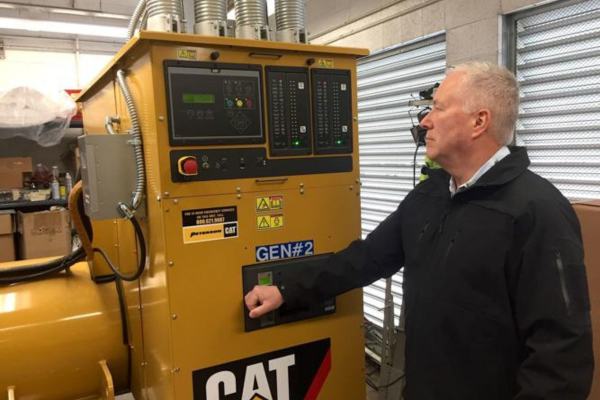
Hospital Backup Power
Types of Generators Used in Hospitals
The types of generators used in hospitals are critical to ensure Hospital Backup Power is reliable, efficient, and environmentally responsible. Hospitals typically use a variety of generators, each selected based on specific needs, capacity, reliability, environmental impact, and the ability to integrate with renewable energy sources.
Diesel generators are commonly used due to their reliability and rapid response time. They can start and reach full load quickly, making them ideal for emergency backup power situations. However, the environmental impact of diesel generators, including emissions and noise, is a concern that hospitals must manage.
Gas generators offer a cleaner alternative, with lower emissions compared to diesel. They are suitable for hospitals looking to reduce their environmental footprint but require access to a natural gas supply, which may not be available in all locations.
Dual-fuel generators combine the advantages of diesel and gas generators, offering flexibility in fuel choice and potentially lower operating costs. These generators can switch between gas and diesel, depending on availability and price, providing a versatile backup power solution.
Renewable energy sources and hybrid systems are increasingly becoming part of the Hospital Backup Power strategy. Solar panels, wind turbines, and battery storage systems can complement traditional generators, creating a more sustainable and resilient power supply. Hybrid systems, combining renewable energy sources with conventional generators, ensure uninterrupted power while reducing dependence on fossil fuels.
The choice of generator is influenced by factors such as the hospital's size, power requirements, and the local environment. Capacity planning ensures that the selected generator can meet the hospital's power needs during an outage, including peak loads and the ability to handle additional future requirements. Reliability is paramount, as the generator must operate effectively when needed, without fail. Environmental impact considerations guide hospitals towards more sustainable options, balancing operational needs with environmental responsibility.
The integration of renewable energy sources reflects a forward-thinking approach to Hospital Backup Power, aligning with global trends towards sustainability and environmental stewardship. This strategy not only ensures the reliability of backup power but also contributes to the hospital's overall energy efficiency and environmental goals.
Installation Considerations for Hospital Generators
Installation considerations for Hospital Backup Power generators involve meticulous planning and adherence to safety and regulatory standards to ensure they provide reliable power without posing risks to hospital operations or patient care.
Site selection within the hospital premises is crucial. The generator must be easily accessible for maintenance and fueling but located away from patient care areas to minimize noise and exhaust pollution. It's often placed in a dedicated generator room or an outdoor enclosure that protects it from the elements and ensures security.
Safety considerations are paramount. Generators must comply with fire codes and be equipped with proper ventilation to prevent the buildup of harmful exhaust fumes. Moreover, they should be positioned away from high-traffic areas to reduce the risk of accidents. Noise control is also a significant concern, as excessive noise can impact patient recovery and overall hospital environment. Effective noise mitigation strategies include sound-attenuating enclosures and barriers.
Integration with the hospital's existing electrical infrastructure requires careful planning to ensure the backup power system activates seamlessly during an outage. This involves installing transfer switches that automatically switch the power source from the main supply to the generator. Hospitals must also ensure that the electrical system can handle the load from the generator and that critical systems are prioritized for power supply.
Experts in the field, such as Edward McGinnis, a renowned electrical engineer specializing in healthcare facilities, stress the importance of conducting a thorough needs assessment and involving engineers early in the planning stage. McGinnis suggests, "Early integration of backup power systems into the hospital's design not only ensures compliance with safety regulations but also enhances the system's efficiency and reliability."
Ensuring that the generator is compatible with hospital operations involves assessing the potential electromagnetic interference with medical equipment and implementing safeguards to prevent such issues. Hospitals must also consider future expansions or increases in power demand, making scalability a critical factor in the selection process.
In conclusion, the installation of backup generators in hospitals is a complex process that requires careful consideration of site selection, safety, noise, and integration with existing infrastructure. By prioritizing these factors, hospitals can ensure that their backup power systems are efficient, reliable, and safe, thereby safeguarding critical healthcare operations against power outages.
Maintenance and Testing of Hospital Backup Generators
Maintenance and testing of Hospital Backup Power generators are critical to ensuring their reliability and readiness in case of an emergency. Regular maintenance is essential to prevent failures that could result in catastrophic outcomes for patients and hospital operations. The following outlines the importance of maintenance routines, recommended checks, and testing protocols for hospital generators.
Importance of Regular Maintenance: The continuous and reliable operation of backup generators is vital in a hospital setting. Regular maintenance ensures that these generators will function as intended when required, thereby minimizing the risk of unexpected outages. According to experts in emergency power systems, neglecting generator maintenance is akin to ignoring the health of a patient. Dr. Karen Smith, a specialist in hospital administration and emergency preparedness, emphasizes, "Just as preventive care can avert health crises in individuals, regular maintenance of backup power systems is critical to prevent failures during emergencies."
Recommended Maintenance Routines and Checks: A comprehensive maintenance plan for hospital generators should include routine inspections, testing, and servicing. Key components such as the engine, fuel system, battery, and electrical systems require regular checks to ensure they are in optimal working condition.
- Engine Checks: Inspect for leaks, check oil levels, and replace filters and oil as recommended by the manufacturer.
- Fuel System: Ensure the fuel is clean and the system is free of contaminants. For diesel generators, this includes monitoring for water and algae buildup.
- Battery Inspection: Check the battery's charge and replace it if necessary to ensure reliable starting.
- Cooling System: Check coolant levels and inspect the system for leaks.
- Electrical System: Inspect and test all electrical connections and components for wear and proper operation.
Testing Protocols to Simulate Power Outages: Testing the generator under load conditions simulates a real power outage scenario and ensures the generator can handle the hospital's power requirements. Load bank testing is a common practice where an artificial load is applied to the generator. This test verifies that the generator can operate at full capacity for an extended period without issues.
The National Fire Protection Association (NFPA) 110 provides standards for the testing and maintenance of emergency and standby power systems, recommending that generators be tested under load conditions at least monthly. Compliance with these standards ensures that the generator system is reliable and can meet the needs of the hospital during a power outage.
In addition to routine maintenance and testing, hospitals should maintain records of all inspections, tests, and repairs. This documentation helps identify trends, predict potential failures, and ensure compliance with regulatory requirements.
In conclusion, the maintenance and testing of Hospital Backup Power generators are indispensable in the healthcare sector. By adhering to recommended maintenance routines, conducting thorough testing, and following regulatory standards, hospitals can ensure their backup power systems are always ready to serve in times of need, thereby safeguarding patient care and hospital operations.
Case Studies: Hospitals That Excelled in Backup Power Management
Case studies of hospitals that excelled in Hospital Backup Power management provide invaluable lessons and best practices for healthcare facilities worldwide. These examples not only demonstrate the critical role of reliable backup power systems during emergencies but also showcase innovative approaches to ensuring uninterrupted power supply.
1. St. Luke's Hospital, Houston, Texas: During Hurricane Harvey, St. Luke's Hospital faced unprecedented flooding and power challenges. The hospital's emergency generators, located above flood level, kicked in seamlessly, providing vital power to critical areas. This planning and foresight allowed the hospital to continue operations and care for patients despite widespread power outages. The key takeaway was the importance of strategic generator placement and the need for robust disaster preparedness plans.
2. Mercy Hospital, Joplin, Missouri: After a devastating tornado destroyed Mercy Hospital, a new facility was built with resilience at its core. The hospital's generators were designed to provide 100% backup power for up to 96 hours. This level of preparedness was a response to lessons learned from the tornado's aftermath, emphasizing the necessity of long-term power autonomy in disaster scenarios.
3. Kaiser Permanente, California: Kaiser Permanente's commitment to sustainable operations led to the incorporation of solar panels and fuel cells alongside traditional generators. This hybrid approach not only ensures Hospital Backup Power during outages but also reduces the hospital's carbon footprint and energy costs. The lesson here is that integrating renewable energy sources can enhance backup power systems while supporting environmental sustainability.
These case studies highlight the critical role of backup power systems in maintaining hospital operations during emergencies. They also demonstrate that learning from past incidents and incorporating sustainability into backup power strategies are essential for modern healthcare facilities. By adopting best practices from these examples, hospitals can improve their resilience, sustainability, and readiness for future challenges.
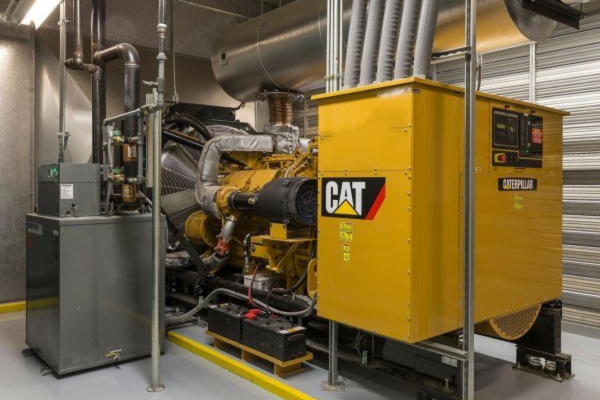
Hospital Backup Power
Image Source:https://www.foleyeq.com/foley-power-solutions/resources/power-solutions-case-studies/tift-regional-medical-center/
conclusion
In conclusion, the role of generators in ensuring uninterrupted Hospital Backup Power is multifaceted and critically important. This exploration began with an introduction to hospital backup power systems, emphasizing their significance in maintaining patient care and safety during power outages. Understanding the critical need for such systems highlighted the dependency of hospital operations on reliable electricity, particularly for life-saving equipment and essential services.
The discussion on types of generators used in hospitals revealed a preference for diesel, gas, and dual-fuel generators, while also acknowledging the growing interest in renewable energy sources and hybrid systems. This reflects a balance between reliability and environmental sustainability in backup power planning.
Installation considerations brought attention to the importance of site selection, safety, noise control, and integration with existing infrastructure. These factors ensure that generators do not interfere with hospital operations or patient comfort while remaining ready for immediate activation.
The maintenance and testing section underscored the importance of regular checks and load testing to guarantee generator reliability. Adherence to standards such as NFPA 110 ensures that generators are not just present but fully operational when needed.
FAQs: Common Questions About Hospital Backup Power
Q1: What is hospital backup power, and why is it crucial? Hospital backup power refers to the emergency power systems installed to provide electricity in the event of a main power failure. It's crucial because hospitals rely on constant power to operate life-saving equipment, maintain patient care, and ensure the safety and well-being of patients and staff.
Q2: What types of generators are used for hospital backup power? Hospitals typically use diesel, gas, or dual-fuel generators. Increasingly, renewable energy sources like solar panels and battery storage are integrated into hybrid systems to enhance sustainability and reliability.
Q3: How often should hospital generators be tested and maintained? The National Fire Protection Association (NFPA) 110 standard recommends that emergency and standby power systems be tested under load conditions at least monthly. Regular maintenance is also necessary to ensure system reliability and compliance with regulatory standards.
Q4: Can hospitals rely on renewable energy for backup power? Yes, hospitals can incorporate renewable energy sources, such as solar panels and wind turbines, into their backup power strategy. These sources, often used in combination with traditional generators and battery storage, can provide a more sustainable and resilient power solution.
Q5: What regulatory requirements must hospital backup power systems meet? Hospital backup power systems must comply with local and national standards, including those set by the Joint Commission, Centers for Medicare & Medicaid Services (CMS), and NFPA. These standards ensure that emergency power systems are reliable, safe, and capable of supporting critical hospital operations during an outage.
Q6: How do hospitals plan for backup power needs during a disaster? Hospitals conduct risk assessments to identify potential power challenges and develop comprehensive disaster preparedness plans. These plans include ensuring sufficient fuel supplies, testing and maintaining generators regularly, and establishing protocols for transitioning to emergency power.
References
1.Hospital Emergency Power Requirements | ASCO Power Technologies: This article outlines the essential requirements for emergency power in hospitals and healthcare facilities, focusing on the need for reliable electrical power sources to support patients with constant needs. It highlights the basic requirements set by the National Fire Protection Association (NFPA) for hospital backup generators and emergency solutions, including the importance of regular backup power system tests.
2.Hospital Backup Power Plan - Understanding NFPA 110 Chapter 7 | AKCP: This piece provides detailed insights into NFPA 110, which specifies different categories of Emergency Power Supply Systems (EPSS) for hospitals, including power switching time, fuel storage requirements, temperature maintenance for reliable startup, and battery capacity requirements. It also covers the commissioning test required for EPSS certification.
3.Backup, standby, and emergency power for hospitals | Consulting - Specifying Engineer: An exploration of alternate power sources for healthcare facilities, discussing how utilities and generators serve as backup power sources. It also delves into the essential electrical system that includes the alternate power source and distribution down to the loads. The article touches on how NFPA 99 and NFPA 70 (National Electrical Code) relate to emergency power supply systems in healthcare settings.
4.ASCO White Paper on Testing Hospital Backup Power Sources by Schneider Electric provides insights into the critical importance of testing backup power sources in hospitals to ensure their reliability and effectiveness during emergencies. This white paper emphasizes the need for rigorous testing protocols to maintain operational integrity and patient safety.
5.Hospital Emergency Power Requirements by Trystar outlines the vital requirements for emergency power in healthcare facilities. This article discusses the necessity of having a consistent and reliable source of electricity for hospitals, highlighting the use of diesel-powered generators, transfer switches, and paralleling switchgear to ensure minimal disruption during power outages. It also touches on the specific regulations provided by the National Fire Protection Association (NFPA) that hospitals must comply with, underscoring the importance of having permanently installed emergency power supplies.