



Enhancing Mining Operations:How Do Mining Generator Sets Power Up Remote Mining Sites?
In the realm of mining operations, the reliance on consistent and robust power sources is paramount. This necessity has led to the widespread utilization of mining generator sets, which serve as the backbone of power supply in remote mining sites. Mining generator sets, also known as mining gensets, are specialized units designed to provide electricity in areas where access to the electrical grid is limited or nonexistent.
Mining generator sets are essentially self-contained power generation units that are specifically engineered to meet the demands of mining operations. They consist of an engine, usually fueled by diesel, natural gas, or a hybrid system, coupled with an alternator to produce electrical power. These sets vary in size and capacity, ranging from portable units suitable for small-scale operations to large-scale systems capable of powering entire mining facilities.
The significance of a reliable power supply cannot be overstated in mining operations. Virtually every aspect of modern mining, from extraction and processing to transportation and communication, relies heavily on electricity. Without a consistent power source, operations can grind to a halt, resulting in costly downtime and potential safety hazards.
One of the primary challenges faced by remote mining sites is the lack of access to the conventional electrical grid. Many mining operations are located in remote or off-grid areas, where extending power lines is impractical or economically unfeasible. In such environments, mining generator sets play a vital role in ensuring uninterrupted power supply.
Furthermore, remote mining sites often contend with harsh environmental conditions that can pose additional challenges to power generation. Extreme temperatures, high altitudes, and rugged terrain can all impact the performance and efficiency of generator sets, necessitating specialized equipment and maintenance practices.
In remote mining sites, where reliability is paramount, mining generator sets serve as a dependable source of electricity. These units are engineered for ruggedness and durability, capable of operating in the most challenging environments without compromising performance.
Moreover, mining generator sets enable continuous operations in remote areas where access to grid power is limited. Whether it's powering heavy machinery, lighting underground tunnels, or running essential infrastructure, these units play a crucial role in sustaining productivity and profitability in remote mining sites.
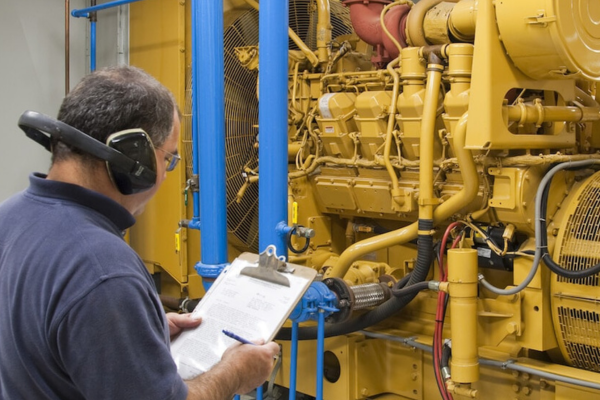
Mining Generator Sets
Understanding Mining Generator Sets
Types of Generator Sets Used in Mining
Mining operations utilize various types of generator sets tailored to their specific needs and conditions. The most common types include:
Diesel Generator Sets: Diesel generator sets are widely used in mining due to their reliability, robustness, and high power output capabilities. They are particularly suitable for remote sites with limited access to other fuel sources.
Natural Gas Generator Sets: In regions with abundant natural gas resources, such as shale gas fields, natural gas generator sets offer a cost-effective and environmentally friendly alternative to diesel. They produce fewer emissions and can be more economical over the long term.
Hybrid Generator Sets: Hybrid generator sets combine multiple power sources, such as diesel engines, renewable energy sources like solar or wind, and energy storage systems. These systems provide increased flexibility, efficiency, and sustainability, making them ideal for remote mining sites aiming to reduce their environmental footprint.
Factors Influencing Generator Set Selection
Several factors influence the selection of generator sets for mining operations:
Power Output Requirements: The power demands of mining operations vary depending on factors such as the scale of operations, the type of machinery used, and the depth of excavation. Generator sets must be selected to meet these specific power requirements effectively.
Fuel Availability and Cost: The availability and cost of fuel play a significant role in generator set selection. Mining companies must consider factors such as fuel transportation costs, local fuel infrastructure, and fluctuations in fuel prices when choosing between diesel, natural gas, or alternative fuel options.
Environmental Regulations: Environmental regulations governing emissions, noise levels, and fuel usage impact the choice of generator sets. Mining companies must ensure compliance with local and international standards to minimize their environmental impact and avoid regulatory penalties.
Versatility in Power Supply
Mining generator sets offer versatility in power supply, allowing mining operations to adapt to changing power demands and environmental conditions. They can be easily deployed and relocated as needed, providing flexibility in remote and dynamic mining environments.
Mobility and Adaptability to Remote Terrain
One of the key advantages of mining generator sets is their mobility and adaptability to remote terrain. Whether operating in mountainous regions, desert landscapes, or dense forests, these units can be transported and installed with relative ease, ensuring uninterrupted power supply to critical mining operations.
Operational Efficiency with Mining Generator Sets
Maintenance Strategies to Ensure Reliability
Maintaining the reliability and performance of mining generator sets is essential for uninterrupted operations. Implementing proactive maintenance strategies is crucial to minimize downtime and maximize productivity. This includes regular inspections, preventive maintenance schedules, and timely repairs to address potential issues before they escalate.
Monitoring Systems for Optimal Performance
Advancements in monitoring technology have revolutionized the way mining generator sets are managed and maintained. Remote monitoring systems allow operators to track key performance metrics in real-time, such as fuel consumption, engine health, and power output. By leveraging data analytics and predictive maintenance algorithms, operators can identify potential problems early on and take proactive measures to optimize performance and prevent unplanned downtime.
Emissions Control and Mitigation
Reducing emissions from mining generator sets is a priority for mining companies seeking to minimize their environmental footprint and comply with regulations. Advanced emission control technologies, such as selective catalytic reduction (SCR) and diesel particulate filters (DPF), help mitigate harmful pollutants, such as nitrogen oxides (NOx) and particulate matter (PM), while improving air quality in surrounding communities.
Sustainable Practices in Mining Power Generation
In addition to emissions control, mining companies are increasingly adopting sustainable practices in power generation. This includes exploring alternative fuel sources, such as biofuels and hydrogen, investing in renewable energy technologies like solar and wind power, and implementing energy efficiency measures to reduce overall energy consumption and carbon emissions.
Case Studies: Successful Implementation of Mining Generator Sets in Remote Sites
Numerous case studies demonstrate the effectiveness of mining generator sets in powering remote mining sites around the world. From the deserts of Australia to the mountains of Chile, these units have proven indispensable in supporting mining operations in challenging environments. By showcasing successful implementations and best practices, these case studies provide valuable insights for other mining companies looking to leverage generator sets for their operations.
Future Trends in Mining Generator Sets
Integration of Renewable Energy Sources
The future of mining generator sets lies in the integration of renewable energy sources to reduce reliance on fossil fuels and minimize environmental impact. Mining companies are increasingly exploring hybrid power solutions that combine traditional generator sets with renewable energy sources such as solar, wind, and hydroelectric power. By harnessing the abundant renewable energy available in remote mining regions, companies can reduce fuel consumption, lower operating costs, and enhance sustainability.
Advancements in Fuel Efficiency and Emissions Reduction
Technological advancements are driving continuous improvements in the fuel efficiency and emissions performance of mining generator sets. Manufacturers are investing in research and development to optimize engine designs, enhance combustion efficiency, and develop advanced emission control systems. These innovations not only reduce fuel consumption and operating costs but also contribute to cleaner air and a healthier environment for surrounding communities.
Smart Grid Integration for Enhanced Monitoring and Control
The integration of smart grid technologies with mining generator sets is poised to revolutionize power management in remote mining sites. Smart grid systems enable real-time monitoring, control, and optimization of power generation and distribution networks, maximizing efficiency and reliability. Advanced features such as predictive analytics, demand response, and remote diagnostics empower operators to proactively manage energy resources and minimize downtime.
Automation for Predictive Maintenance and Fault Detection
Automation technologies are increasingly being deployed to streamline maintenance processes and enhance the reliability of mining generator sets. Predictive maintenance algorithms analyze equipment data to predict potential failures before they occur, allowing for proactive maintenance scheduling and minimizing unplanned downtime. Additionally, remote diagnostics and fault detection systems enable quick identification and resolution of issues, further improving operational efficiency and uptime.
Economic Impacts of Mining Generator Sets
Cost-Benefit Analysis of Power Generation Options
Mining companies conduct rigorous cost-benefit analyses to evaluate the economic viability of different power generation options, including mining generator sets. Factors such as initial capital investment, operating costs, fuel expenses, maintenance requirements, and potential revenue losses due to downtime are carefully considered. By weighing these factors against the expected benefits in terms of increased productivity, reduced risk, and compliance with regulations, companies can make informed decisions regarding their power generation strategy.
ROI Considerations for Mining Companies
Return on investment (ROI) is a critical consideration for mining companies when investing in generator sets. The ROI calculation takes into account the upfront capital expenditure, ongoing operational expenses, and potential revenue gains or cost savings resulting from the use of generator sets. By accurately assessing the ROI, mining companies can determine the financial feasibility and long-term profitability of deploying generator sets in their operations.
Adherence to Safety Regulations
Mining operations are subject to stringent safety regulations governing the use of generator sets and other power generation equipment. Compliance with these regulations is non-negotiable, as failure to adhere to safety standards can result in accidents, injuries, and regulatory penalties. Mining companies must ensure that their generator sets meet all applicable safety requirements, including proper installation, maintenance, and operation procedures, to protect the health and safety of their workers and the surrounding environment.
Compliance with Environmental Policies and Guidelines
Environmental sustainability is a growing concern for mining companies, prompting increased emphasis on compliance with environmental policies and guidelines. Generator sets must meet strict emissions standards and environmental regulations to minimize their ecological footprint and mitigate potential environmental impacts. By adopting cleaner technologies, implementing emission control measures, and adhering to best practices in environmental management, mining companies can demonstrate their commitment to sustainability and responsible stewardship.
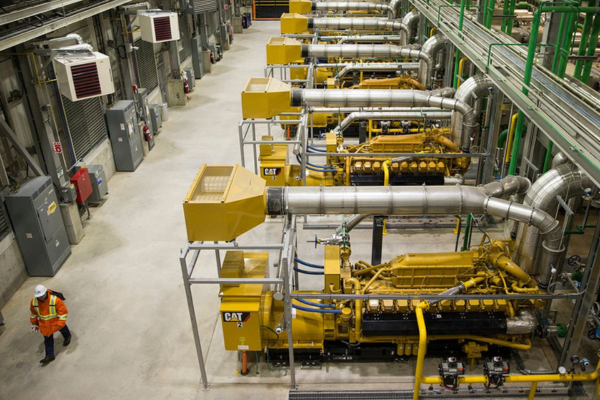
Mining Generator Sets
Conclusion: Empowering Remote Mining Sites with Generator Sets
In conclusion, mining generator sets play a pivotal role in powering remote mining sites and sustaining operations in challenging environments. These specialized units provide a reliable and versatile source of electricity, enabling continuous operations even in areas with limited access to the electrical grid. By understanding the different types of generator sets, factors influencing their selection, and the advantages they offer, mining companies can effectively meet their power supply needs while minimizing costs and environmental impact.
Looking ahead, the future of mining generator sets lies in embracing renewable energy sources, advancing fuel efficiency and emissions reduction technologies, and leveraging smart grid integration and automation for enhanced performance and reliability. By staying abreast of these technological trends and adopting sustainable practices, mining companies can not only improve operational efficiency but also contribute to a cleaner and more sustainable future.
In summary, mining generator sets are indispensable assets for remote mining sites, providing the power necessary to drive essential machinery, support critical infrastructure, and ensure the safety and productivity of workers. By harnessing the power of generator sets and embracing innovation, mining companies can overcome the challenges of remote operations and unlock new opportunities for growth and success.
Call to Action: Embracing Sustainable and Efficient Power Solutions in Mining Operations
As mining companies navigate the complexities of remote operations and strive for sustainable growth, embracing efficient and environmentally friendly power solutions is essential. By investing in advanced generator sets, integrating renewable energy sources, and prioritizing environmental stewardship, mining companies can enhance their competitiveness, reduce their carbon footprint, and contribute to a more sustainable future for the mining industry and the planet as a whole.
FAQs: Common Questions About Mining Generator Sets
1. What are mining generator sets?
Mining generator sets are specialized units designed to provide electricity in remote mining sites where access to the electrical grid is limited or nonexistent. They consist of an engine, typically fueled by diesel, natural gas, or a hybrid system, coupled with an alternator to produce electrical power.
2. Why are mining generator sets important in mining operations?
Mining generator sets are essential for ensuring uninterrupted power supply in mining operations, where electricity is vital for various tasks such as powering heavy machinery, lighting underground tunnels, and running essential infrastructure. They enable continuous operations in remote areas where access to grid power is limited, thereby maximizing productivity and profitability.
3. What factors influence the selection of mining generator sets?
Several factors influence the selection of mining generator sets, including power output requirements, fuel availability and cost, and environmental regulations. Companies must assess their specific power needs, consider the availability and cost of fuel options, and ensure compliance with local and international environmental standards when choosing generator sets for their operations.
4. How do mining generator sets contribute to environmental sustainability?
Mining generator sets can contribute to environmental sustainability through the adoption of cleaner technologies, such as natural gas or hybrid systems, and the integration of renewable energy sources like solar and wind power. Additionally, advanced emission control technologies help mitigate harmful pollutants, reducing the ecological footprint of mining operations.
5. What are the future trends in mining generator sets?
The future of mining generator sets lies in the integration of renewable energy sources, advancements in fuel efficiency and emissions reduction technologies, and the adoption of smart grid integration and automation for enhanced performance and reliability. By embracing these trends, mining companies can improve operational efficiency, reduce costs, and minimize their environmental impact.
6. How can mining companies ensure the reliable operation of generator sets?
Mining companies can ensure the reliable operation of generator sets through proactive maintenance strategies, such as regular inspections and preventive maintenance schedules, and the implementation of monitoring systems for optimal performance. By leveraging data analytics and predictive maintenance algorithms, companies can identify potential issues early on and take proactive measures to optimize performance and prevent unplanned downtime.
References
1."Application and Development Trend of Generator Sets in Mining Industry." International Journal of Mining Science and Technology
2."Diesel Generator Sets in Mining Operations: A Comprehensive Review." Journal of Mining Engineering
3."Optimization of Hybrid Power Systems for Remote Mining Sites." Energy Conversion and Management
4."Environmental Impact Assessment of Mining Generator Sets: A Case Study in Western Australia." Journal of Environmental Management
5."Integration of Renewable Energy Sources in Mining Operations: Opportunities and Challenges." Renewable and Sustainable Energy Reviews